Israel Intensifies Military Campaign Against Hezbollah in Lebanon
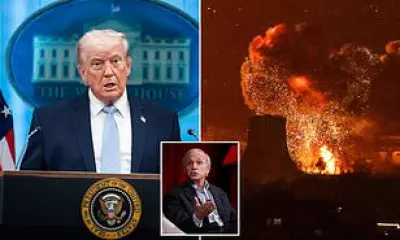
In a significant escalation of hostilities, Israel launched a series of intense attacks against Hezbollah targets in Lebanon shortly after the United States and Iran declared a tentative ceasefire agreement. This military surge resulted in substantial casualties and widespread displacement, further complicating the already volatile regional landscape.
Immediate Aftermath of Ceasefire Announcement
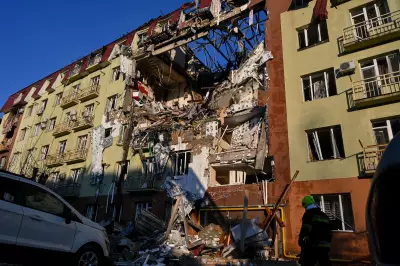
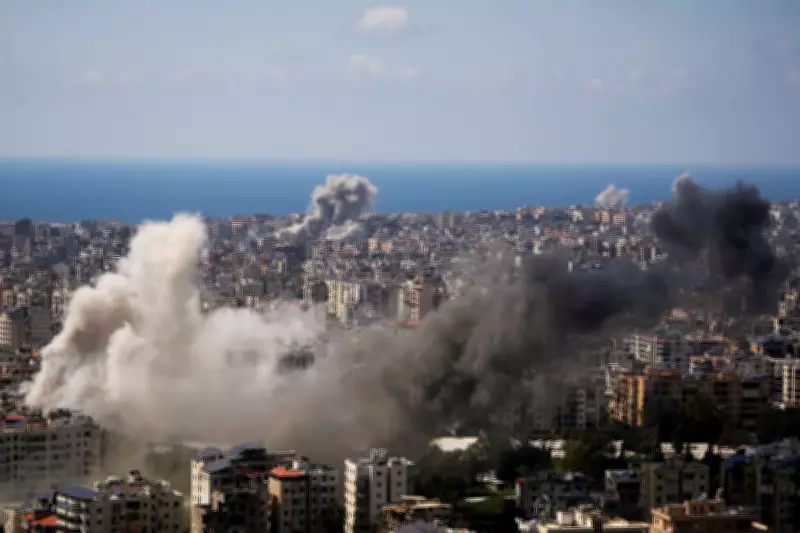
The burst of Israeli strikes targeted central Beirut and various other Lebanese regions, occurring during rush hour and impacting densely populated residential and commercial districts. According to health officials, these attacks killed more than 200 individuals and injured over 1,000 people. While the Israeli military stated it focused on sites affiliated with Hezbollah and eliminated an aide to the group's leader, Naim Kassem, Lebanese authorities reported that a significant number of civilians were among the casualties, though specific details were not provided.
Hezbollah responded to these heavy strikes, which prompted international outcry, by launching missiles into Israel. Fortunately, no serious casualties have been reported from these retaliatory actions. The latest phase of conflict between Israel and Hezbollah erupted following the initiation of a war against Iran by the U.S. and Israel in late February. Since the ceasefire announcement earlier this week, a heated diplomatic debate has ensued regarding whether this agreement extends to the fighting between Israel and Hezbollah. Iran asserts that it does, while both the U.S. and Israel maintain that it does not.

Historical Context and Escalation
Israel and Hezbollah have engaged in multiple conflicts since the militant group's formation in the 1980s as a guerrilla force opposing Israel's occupation of southern Lebanon. The current escalation began on March 2, when Hezbollah launched missiles toward Israel, citing retaliation for the killing of Iranian Supreme Leader Ayatollah Ali Khamenei and repeated Israeli aggressions in Lebanon. This resumption of fighting occurred just 15 months after a U.S.-brokered ceasefire halted their previous war, which itself started a day after the deadly October 7, 2023, Hamas-led attack on southern Israel.
As an ally of Hamas, Hezbollah began firing on Israel after it launched its counteroffensive against Hamas in Gaza. What initially appeared as a low-level conflict along the Israel-Lebanon border erupted into a full-scale war by September 2024. Following a ceasefire in November 2024, Israel continued near-daily airstrikes in Lebanon, aiming to prevent Hezbollah from regrouping, while Israeli troops maintained occupation of five hilltops on the Lebanese side of the border.
Hezbollah faced domestic and international pressure to surrender its remaining arsenal and remained largely inactive during last summer's 12-day war between Israel and Iran. Many observers believed the group was too weakened after heavy losses in the 2024 conflict, making its entry into the current war following U.S.-Israeli attacks on Iran particularly surprising.
Humanitarian Crisis and Military Developments
The humanitarian impact has been severe. As of Wednesday, Lebanese health ministry figures indicate more than 1,730 people killed and over 5,870 wounded by Israeli strikes since March 2, including hundreds of women, children, and health workers. More than 1 million Lebanese have been displaced, with many sleeping in cars, on streets, or in overcrowded schools converted into shelters after Israel issued blanket warnings for residents to evacuate wide areas, often followed by bombardment.
Israeli officials report that Hezbollah has launched thousands of missiles and drones across the border, with most intercepted or landing in open areas. The Israeli army acknowledges 12 soldiers killed and more than 400 wounded in southern Lebanon. Northern Israel has experienced a small number of civilian fatalities, including one man killed by a rocket strike and another accidentally killed by Israeli army artillery fire during border fighting. Residents in northern Israel remain on edge, with many expressing anger that the government has not offered evacuation payments as it did during the last war.

The Israeli army has also initiated a ground invasion of southern Lebanon, leading to fierce battles with Hezbollah militants in border areas. United Nations peacekeeping forces have occasionally been caught in the crossfire, resulting in three fatalities. Some Israeli officials advocate for military occupation up to the Litani River, approximately 30 kilometers north of the border. Israeli forces have demolished homes in border villages, raising fears among displaced Lebanese that Israel plans to create a depopulated buffer zone, preventing their return.
Diplomatic Efforts and Future Prospects
Lebanese officials have sought direct negotiations with Israel to halt the fighting. On Thursday, Israeli Prime Minister Benjamin Netanyahu stated that Israel agreed to enter talks focusing on disarming Hezbollah and a potential peace deal. When the U.S. and Iran announced their tentative ceasefire agreement, Pakistan's prime minister, who served as a mediator, indicated in a social media post that it applied "everywhere including Lebanon." Iranian officials also insist the deal includes Lebanon, but the U.S. and Israel remain adamant that it does not.
Hezbollah has declared it will not abide by the ceasefire unless Israel does. Middle East analyst Joe Macaron suggested that ensuing negotiations will test the Iranian regime's commitment to supporting Hezbollah. He expressed skepticism that Israel would agree to, or be pressured by the U.S. to accept, a full ceasefire and withdrawal from Lebanon. While the U.S. might pressure Israel to halt strikes in central Beirut, Macaron predicted a "long war of attrition" between Israel and Hezbollah in southern Lebanon, noting that neither side can achieve decisive military control or disarmament. He concluded that only a negotiated settlement can resolve the conflict.
Koral Saeed in Abu Snan, Israel, contributed to this report.