Iranian Teenagers Face Execution After Tortured Confessions in Unfair Trials
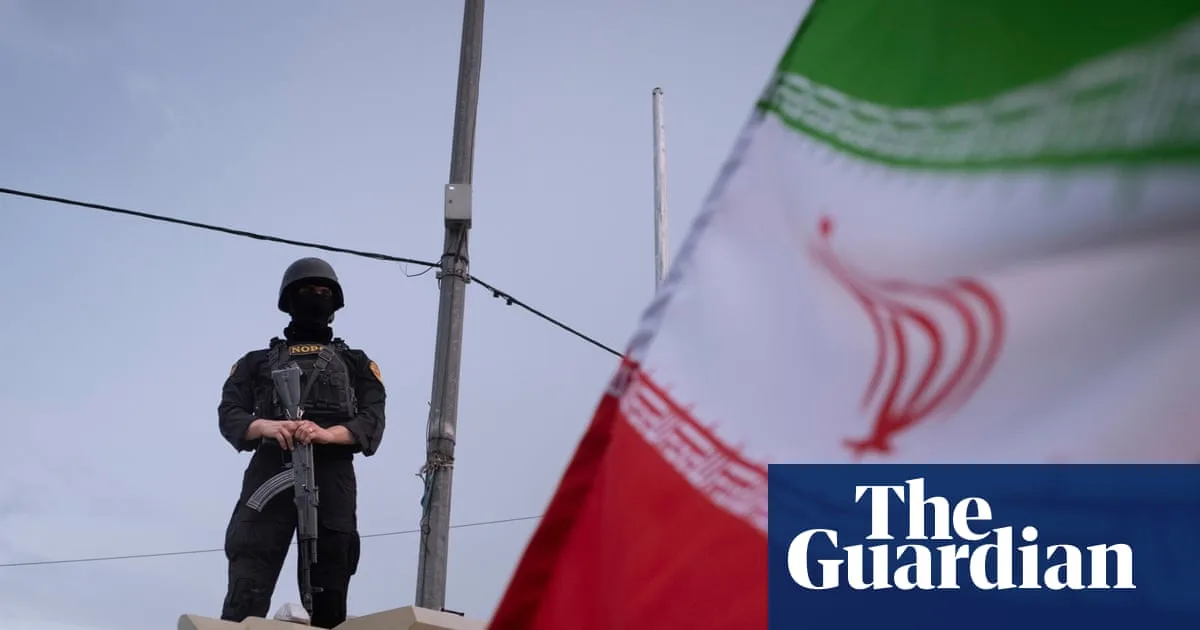
Paraded before the Revolutionary Court in Tehran, two teenage boys, Erfan Amiri, 17, and Ehsan Hesarlu, 18, fidgeted anxiously in striped blue prison shirts, their eyes wide with fear. They had already ‘confessed’ to arson during January’s anti-regime protests, following weeks of severe abuse at the hands of Iranian police. Their trial, broadcast nationally, is described by human rights groups as ‘fast-tracked and torture-tainted’, with warnings that without international intervention, they will join dozens already sentenced to death.
Escalating Executions Amidst Protests
This week, 18-year-old musician Amirhossein Hatami was hanged for the same crime, marking a disturbing escalation. Now, Mohammad Amin Biglari, 19, Ali Fahim, 23, Abolfazl Salehi Siavashani, 51, and Shahin Vahedparast Kolor, 30, have been moved to pre-execution solitary confinement. At least 25 men are on death row, with thousands more at risk, and over half a dozen already executed after arrests during the protests.
The uprising began organically, spurred by calls from exiled Crown Prince Reza Pahlavi to take to the streets on January 8 and 9, and was significantly encouraged by former US President Donald Trump. Trump promised activists that if the Iranian regime harmed them, ‘we’re going to hit them very hard’. When Tehran responded with violence, killing more than 30,000 by some counts, he pledged that ‘help is on its way’ and urged Iranians to ‘keep protesting’.
International Pressure and Regime Response
Sources familiar with Iran’s justice system indicate that only the ‘threat of an American attack’ prevented ‘the execution machine being set fully in motion’. Trump appeared to act on this threat on February 28, when US intelligence assisted Israel in assassinating Supreme Leader Ayatollah Ali Khamenei, followed by joint strikes that decimated much of the leadership, cheered by the people.
However, fears are mounting that the US may now withdraw, satisfied with reducing Tehran’s nuclear capabilities but leaving the regime and its ‘execution machine’ intact. Today, the Daily Mail publishes photographs of those at risk of execution, with families calling on Washington and the global community not to forget them.
Human Rights Appeals and Unfair Trials
Mahmood Amiry-Moghaddam, director of Iran Human Rights, told the Daily Mail: ‘It is essential to stress that any deal, negotiation or dialogue with the Islamic Republic must place the human rights situation of the Iranian people at its core, with an immediate halt to the use of the death penalty as a primary condition.’ An Iranian whose brother was tortured and killed in January added: ‘These are not just statistics – these are children, human beings with dreams and futures. The world cannot stay silent any longer.’
Amnesty International has warned that Erfan and Ehsan’s trial at Branch 26 of the Revolutionary Court in Tehran is ‘grossly unfair’. They were arrested alongside Matin Mohammadi, 17, on January 8 for alleged involvement in a fire at a Basij paramilitary base that killed two agents. ‘Ehsan was forced to “confess” after severe beatings and when interrogators put a gun in his mouth,’ the group reported, while their lawyers were threatened until the state appointed an attorney ‘who failed to defend them effectively’.
Other Cases at Risk
Another teenager, Danial Niazi, 18, is accused of attempted murder, intentional assault, assembly, and collusion against national security. His mother visited him in prison last month, finding him beaten so badly he could not walk, and he said guards threatened to arrest and rape her. There had been hope that teenagers arrested would be spared, as the regime previously claimed it would differentiate between what it chillingly called ‘deceived youth’. But Amirhossein’s execution signals a grim shift.
He was among seven men arrested on January 8, accused of arson and brought before ‘Death Judge’ Abolghassem Salavati at Tehran’s Revolutionary Court on February 6. Each was convicted of ‘Moharebeh’, or ‘Enmity Against God’, and sentenced to death by hanging. Among them is Shahab Zohdi, who has raised his child alone for 15 years after his wife’s death, and Abolfazl Siavashani, 51, the sole provider for his 18-year-old son, working as a motorbike courier.
Mohammad Abbasi, 55, was also sentenced to death for Moharebeh over the killing of a police colonel, with his distraught 33-year-old daughter, Fatemeh, looking on in court. The regime has intensified executions as Trump signals an end to the war, with four political prisoners hanged this week. An Iranian whose brother was beaten in the protests stated: ‘Iranians did not sacrifice themselves for another version of the regime. Freedom has a cost – Israel and the US have to finish the job.’
The White House commented: ‘By achieving the military objectives stated under Operation Epic Fury, President Trump is making the entire region safer and more stable by eliminating Iran’s short and long-term threats to our country and allies.’