Iran's Cultural Heritage Under Attack as US-Israel Bombing Damages Historic Sites
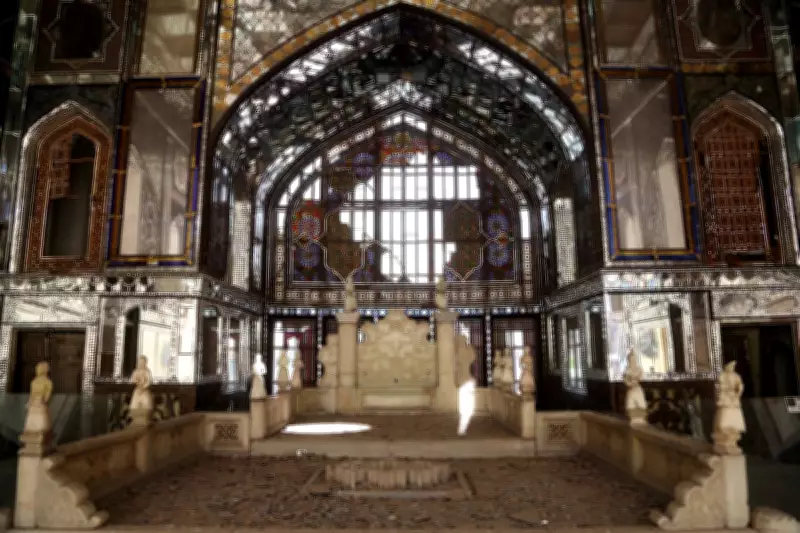
In a devastating blow to global cultural heritage, ancient sites across Iran have sustained significant damage during recent US-Israel bombing campaigns, despite explicit protections under international law. The most severe confirmed impacts have targeted Tehran's Golestan Palace, a 14th-century Unesco World Heritage site, and the 17th-century Chehel Sotoon palace in Isfahan, raising alarms over the preservation of historical treasures.
Direct Damage to Unesco-Protected Locations
Videos and official statements reveal that neither historic building was struck directly by missiles. Instead, shock waves from nearby explosions, along with potential missile debris, caused extensive destruction. At Golestan Palace, the celebrated Hall of Mirrors was particularly affected, with intricate mirrorwork shattered and scattered across the floor. This palace, safeguarded by Unesco, suffered damage on 2 March, prompting the UN cultural body to issue a statement of concern, noting it had communicated the geographical coordinates of all world heritage sites to involved parties.
Isfahan's Historic Architecture Bears the Brunt
In Isfahan, a city renowned as a "museum without a roof," the bombing has inflicted harm on multiple landmarks. The Chehel Sotoon palace experienced the worst impact, but other sites, including the Ali Qapu palace and several mosques around the vast Naqsh-e Jahan square, reported broken windows, doors, and dislodged tilework. Residents captured videos showing plumes of smoke rising from airstrikes near these cultural gems, highlighting the ongoing threat.

Official Condemnation and Accusations of Cultural War
Mehdi Jamalinejad, the governor of Isfahan, has accused the US and Israel of a "declaration of war on a civilization." He emphasized that the damage occurred even after coordinates were shared and blue shield signs, denoting protection under the 1954 Hague Convention, were placed on building roofs. Jamalinejad lamented that such destruction was unprecedented, not seen during historical conflicts like the Afghan wars or the Iran-Iraq war, underscoring the severity of the attacks.
Broader Implications for Heritage Conservation
An Iranian geologist, who worked in Isfahan for years, noted the city's vulnerability, citing ongoing land subsidence that threatens Safavid-era structures. The combined assaults from above and below pose a dire challenge to preserving Iran's rich history. This incident underscores the urgent need for enhanced international efforts to protect cultural heritage during conflicts, as Unesco's warnings appear to have been disregarded, risking irreversible loss to humanity's shared legacy.