UN Rapporteur Warns of Escalating Death Toll in Iran's Protest Crackdown
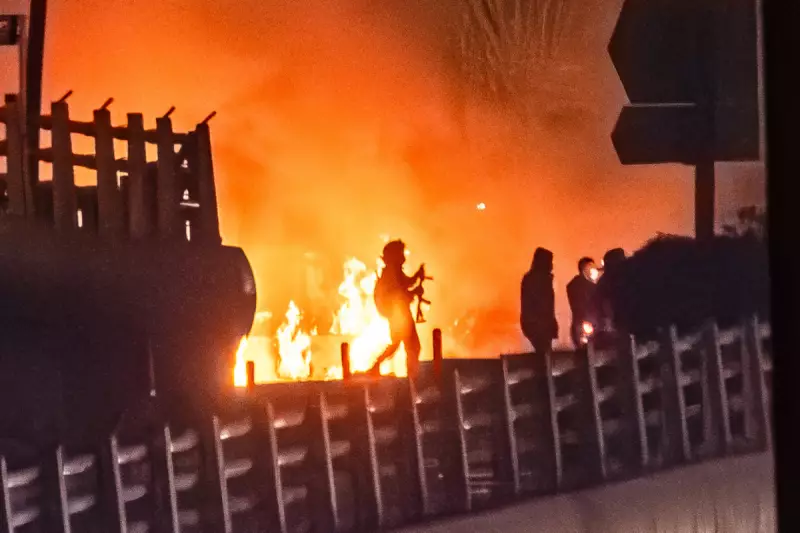
Disturbing new reports emerging from Iran paint a harrowing picture of systemic abuse and violence against detainees, with a United Nations special rapporteur warning that the total death toll from the ongoing national revolution could potentially reach 20,000 citizens. These revelations come as multiple sources across Iranian cities describe unprecedented deterioration in the treatment of those arrested during the continuing protests against the regime.
Widespread Torture and Covert Body Transfers Across Multiple Cities
Accounts reaching Independent Persian from various urban centres detail widespread torture, deaths in custody, and the secretive transfer of bodies to morgues, recalling the darkest chapters of repression in the Islamic Republic's history since 1979. The patterns of abuse appear systematic and coordinated across different regions of the country.
In Isfahan, political and human rights activists report that numerous detainees from the current uprising are being held in a warehouse near Dastgerd Prison that lacks basic facilities, including sanitation and medical care. Sources indicate that several bodies are removed from this location almost daily and transferred to Isfahan's morgue, where forensic departments allegedly falsify causes of death as "car accidents" or "street shootings" despite witnesses claiming many victims were healthy when initially detained.

Horrific Details Emerge from Tehran and Mashhad Detention Centres
Tehran sources provide particularly chilling details, with one informant describing bodies brought to the Kahrizak morgue showing clear marks of bruising and hand pressure around their necks without gunshot wounds. "The warmth of the bodies indicated that they had been strangled to death inside the detention centre," the source revealed, adding that "the scale of the atrocity is so vast that my hands tremble as I speak or write about it."
Mashhad reports describe night-time transfers of detainees to undisclosed locations, severe beatings in detention centres, and security forces storming hospitals to arrest wounded protesters. Medical sources confirm that plainclothes security agents and Islamic Revolutionary Guard Corps members, armed with military weapons, have entered medical facilities and removed injured individuals, including those in critical condition, with none returning to treatment wards.
Psychological Terror and Internal Conflict Within Regime Forces
Former detainees in Shiraz describe being subjected to severe beatings, psychological abuse, and threats of execution during their initial detention. "Mock executions" were reportedly used repeatedly as a terror tactic, while some also witnessed the secret transfer of bodies to morgues and pressure on families to remain silent about their experiences.
Perhaps most revealing is information from Karaj, particularly Fardis, where five law-enforcement personnel were allegedly shot by IRGC and Basij forces for refusing to carry out orders. This development exposes how the repression has reached a point where even regime forces face immediate physical elimination for disobedience. A released detainee using the alias "Mehrdad" reported witnessing security forces firing a final shot at a wounded civilian lying in the street.
Families Targeted and Foreign Fighters Allegedly Involved
In Hamedan, families report severe beatings of detainees, days-long uncertainty about their fate, and the handover of bodies on condition of immediate burial without ceremony. Some families said they were insulted and beaten by security forces while searching for their children's bodies.
Several released detainees told Independent Persian that among arresting forces were individuals with Arabic accents who spoke Persian with difficulty, aligning with earlier reports of at least 5,000 fighters from the Iranian-backed Iraqi paramilitary group Hashd al-Shaabi entering Iran to participate in repression, arrests, and killings.

Historical Context and Escalating Crisis
These patterns occur against the backdrop of the Islamic Republic's long-standing record of killing detainees since seizing power in February 1979. This trajectory began in early revolutionary prisons, continued through the 1980s and 1990s, became emblematic during 2009 protests with deaths at Kahrizak detention centre, and persisted during the 2022 nationwide uprising with dozens dying in custody or shortly after release due to torture severity.
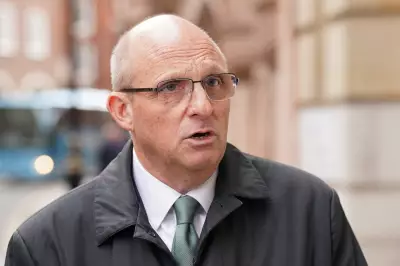
Human rights activists warn that under current conditions marked by expanded extrajudicial arrests, systematic torture, and secret body transfers, the number of detainees dying in custody could significantly exceed previous periods. In this context, Mai Sato, the UN Special Rapporteur on human rights in Iran, warned on 21 January that initial estimates of around 5,000 deaths might be conservative, with new reports from doctors inside the country indicating the figure could reach at least 20,000.
The situation represents one of the most severe human rights crises in Iran's recent history, with the regime's response to protests escalating to unprecedented levels of violence and systematic abuse against its own citizens.