Iran Grants Passage for Essential Goods Through Strait of Hormuz
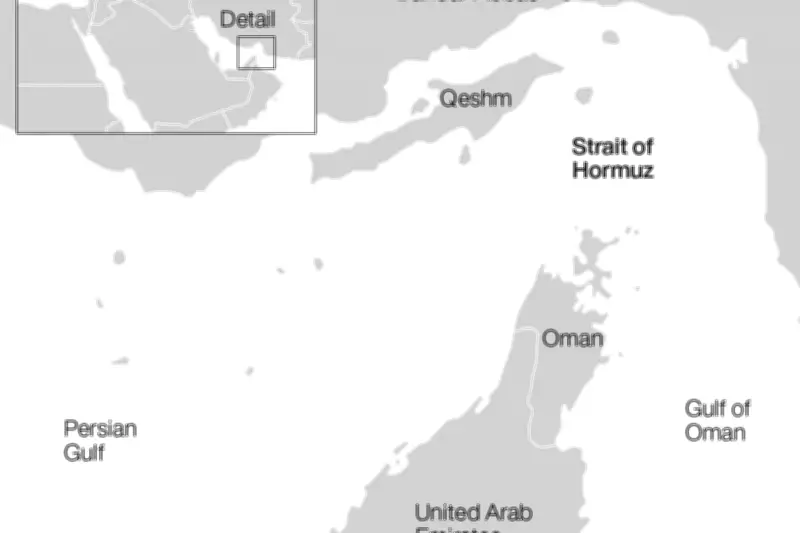
Iran has officially authorised the passage of vessels transporting essential goods to its ports via the Strait of Hormuz, according to a report from the Tasnim news agency on Saturday. This development comes after Iran had previously shut the strategic waterway, which handles approximately one-fifth of the world's total oil trade, in response to alleged attacks by the United States and Israel that reportedly commenced on February 28.
Coordination and Compliance Required
Ships destined for Iranian ports, including those located in the Gulf of Oman, must now coordinate with Iranian authorities and adhere to established transit protocols. The official letter cited by Tasnim outlines these requirements, emphasising the need for strict compliance to ensure safe and orderly passage through the strait.
This move marks a significant shift in Iran's maritime policy, as the closure had severely disrupted global oil supplies and heightened tensions in the region. The Strait of Hormuz is a vital chokepoint for international trade, and its closure had raised concerns about potential escalations in the ongoing conflict between Iran and the US-Israel alliance.

Background of the Closure
Iran's decision to close the Strait of Hormuz was a direct retaliation for what it described as unprovoked attacks by US and Israeli forces. These incidents, which began in late February, have led to a series of military confrontations and diplomatic standoffs. The closure was intended to exert economic pressure and demonstrate Iran's control over the waterway, but it also risked broader geopolitical instability.
The reopening for essential goods suggests a possible de-escalation or a strategic adjustment by Iran, as it seeks to balance its retaliatory measures with the need to maintain some level of economic activity and international engagement. However, the situation remains volatile, with ongoing reports of hostilities and threats from both sides.
In related news, former US President Donald Trump has issued a stark warning, threatening to unleash 'hell' on Iran within 48 hours unless Tehran fully reopens the Strait of Hormuz. This statement underscores the high stakes involved and the potential for further conflict if diplomatic resolutions are not reached.
The authorisation for essential goods passage is seen as a cautious step towards normalising transit, but it is limited in scope and does not indicate a full reopening of the strait for all maritime traffic. Observers are closely monitoring the situation for any signs of escalation or de-escalation in the coming days.