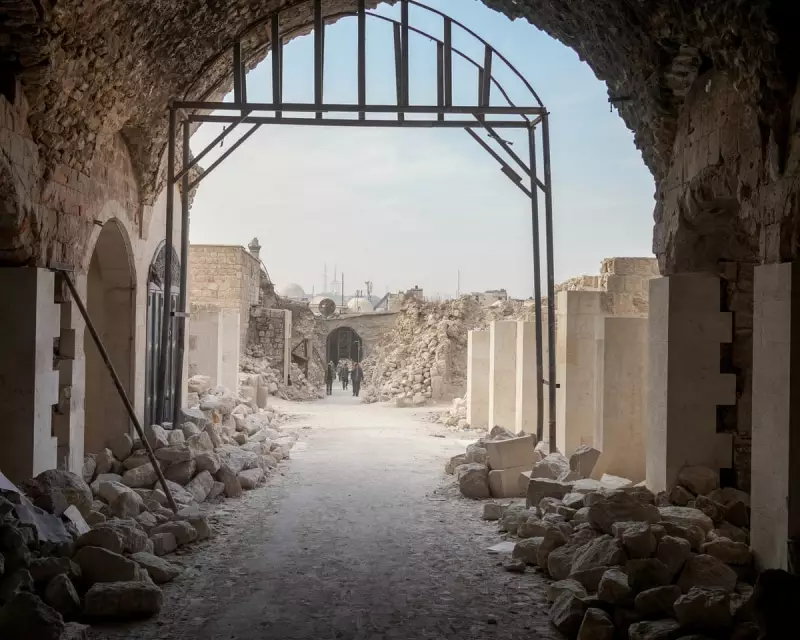
While recent coverage has focused on local reconstruction efforts in Aleppo following Syria's devastating civil war, significant international involvement is playing a crucial role in the city's recovery. The narrative that all reconstruction efforts have been local overlooks important contributions from global organisations working to preserve the city's cultural heritage.
International Organisations Driving Restoration
Since 2018, the Aga Khan Trust for Culture (AKTC) has undertaken substantial restoration work in Aleppo's historic old city. The organisation has successfully restored eight key areas of the medieval souk, with ongoing rehabilitation projects planned to revive shops and covered markets that once formed the commercial heart of the ancient city.
Catalysing Local Participation
The AKTC's restoration efforts have had a ripple effect throughout the community, motivating traders to privately restore their own shops in peripheral areas of the souk. These private restoration projects are being delivered according to local standards and traditions, creating a synergy between international expertise and local craftsmanship.

United Nations organisations including Unesco and UN-Habitat are also contributing significantly to the restoration of elements within Aleppo's historic centre. Their involvement represents a coordinated international response to preserving one of the world's most important cultural heritage sites.
A Narrative of Cautious Optimism
An article published this month on the Aga Khan Development Network website, titled The Aleppo Souk, Crucible of Memory, documents this important restoration work. The piece acknowledges the profound loss brought about by the war while simultaneously portraying a city where international restoration efforts are fostering what has been described as "a genuine sense of cautious optimism" within the ancient medina.
This emerging narrative represents more than just physical reconstruction; it speaks to the resilience of cultural heritage and the power of international cooperation in post-conflict recovery. The work being undertaken in Aleppo's souk serves as both a practical restoration project and a symbolic gesture of hope for the city's future.
The combined efforts of international organisations and local stakeholders deserve recognition as they work to preserve Aleppo's rich history while building foundations for its future. This collaborative approach to restoration represents an important chapter in the city's long recovery from conflict.