India Launches Monumental Year-Long Census to Tally 1.4 Billion Citizens
India is embarking on a colossal year-long census, mobilising over three million officials to enumerate every individual in the world's most populous nation. This decennial survey, originally scheduled for 2021, was delayed due to the COVID-19 pandemic and is now set to commence on 1 April.
Phased Approach to Population Counting
The government has confirmed that the census will begin with a brief online registration window for citizens, followed by two distinct phases of physical door-to-door surveys. The first phase will focus on cataloguing houses and assessing their conditions, while the second will gather comprehensive data on inhabitants, including economic and social parameters, as outlined by Census Commissioner Mritunjay Kumar Narayan.
Demographic Significance and Global Context
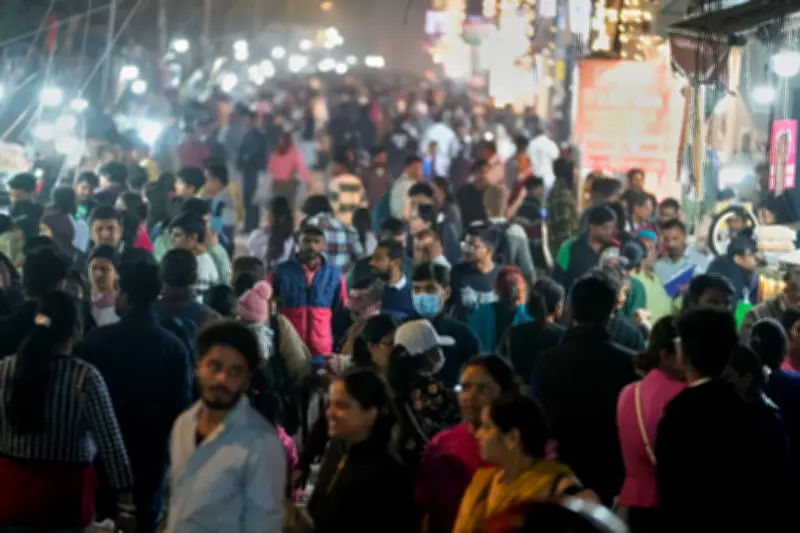
With a population exceeding 1.4 billion, India officially surpassed China in 2023, according to the United Nations Population Fund. Despite this vast size, analysts and economists generally view India's population without alarm, citing its predominantly young demographic as a strategic advantage. The government champions this as an opportunity to cultivate a large pool of skilled workers, especially as many major global economies face declining and ageing workforces.

Caste Data Collection and Political Implications
The census will also collect details on castes, a rigid social stratification system dating back thousands of years that pervades Indian life and politics. Narayan emphasised this aspect, noting that scores of caste-based political parties exist, and many state institutions must offer affirmative action quotas for so-called lower castes in employment and college places. Supporters argue that data on castes is essential for identifying those deserving government assistance, while critics contend it has no place in a country with ambitions of becoming a major world power.
Historical Context and Data Transparency
India last recorded its census in 2011, marking the first time in 80 years that caste data was included, but it was not fully publicised amid concerns about accuracy. This new census is being recorded digitally for the first time, with several data sets expected to be released soon after the survey concludes next March, enhancing transparency and accessibility.
Fertility Trends and Population Control
Despite India's status as the world's most populous nation with 1.46 billion people, the total fertility rate has fallen to below two children per woman, according to the UN Population Fund's 2025 report. Mohan Bhagwat, chief of the RSS—the ideological parent of Prime Minister Narendra Modi's Bharatiya Janata Party—has previously stated that the population must remain "controlled, yet sufficient", reflecting ongoing debates about demographic management.
The census is a critical tool for shaping future policies, from economic planning to social welfare, and its outcomes will be closely watched both domestically and internationally.