Gaza's Ceasefire Milestone Overshadowed by Ongoing Suffering
Friday marks six months since the ceasefire deal in Gaza took effect, yet for the territory's 2 million residents, this milestone brings little solace. Despite the cessation of the most intense fighting between Israeli forces and Hamas-led militants, life remains profoundly difficult with 738 deaths recorded since the agreement was struck.
Residents Trapped in Limbo Amid Stalled Progress
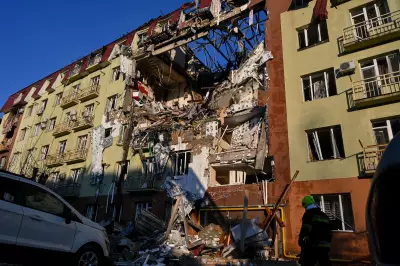
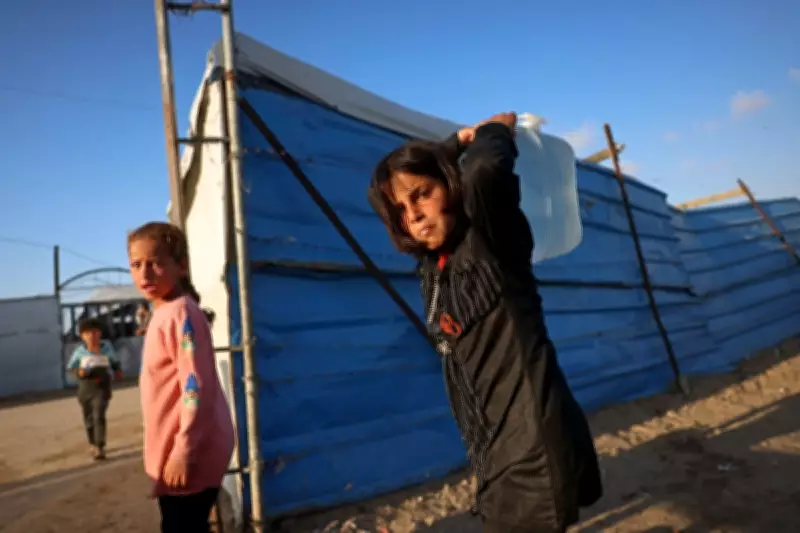
Gaza's population finds itself in a state of suspended animation, with limited humanitarian aid entering through a single Israeli-controlled border crossing. Vast tent camps now house most of the territory's displaced population, while others shelter in damaged apartment buildings that offer minimal protection from the elements.
"There is pollution and disease. It's as if there's no ceasefire at all," said Maysa Abu Jedian, a displaced woman from Beit Lahiya. Her sentiment echoes throughout the territory, where basic goods have become dramatically more expensive and medical evacuations have largely stalled.

Humanitarian Crisis Deepens Despite Ceasefire
According to Gaza's Health Ministry, which maintains casualty records generally considered reliable by UN agencies and independent experts, Israeli attacks have killed 738 people in the six months since the ceasefire began. The ministry does not provide breakdowns between civilians and militants, but the overall death toll since the war began with Hamas's October 7, 2023 attack on Israel now stands at 72,317 Palestinians.
Five international aid groups released a scorecard on Thursday indicating that the US 20-point ceasefire plan for Gaza is largely failing on humanitarian fronts. Their assessment reveals that during the first two weeks of March 2026, trucks entering Gaza declined by 80%, while prices for basic necessities skyrocketed.
International Focus Shifts to Iran Conflict
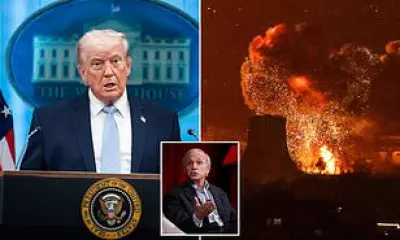
The fragile Gaza ceasefire has been further complicated by the emergence of a new regional war involving Iran, which has diverted international attention and resources. The US-created and Trump-led Board of Peace, which began with $7 billion in pledges and sweeping intentions to resolve conflicts worldwide, has not met since the US and Israel attacked Iran nine days after its initial gathering.
Board of Peace director Nickolay Mladenov told the UN Security Council last month that the world must not lose sight of Gaza despite new conflicts flaring elsewhere. "The choice in Gaza is between a renewed war, or a new beginning; the status quo, or a better future," he emphasized. "There is no third option."
Ceasefire Violations and Ongoing Tensions
While the heaviest fighting has subsided, Israeli forces continue to carry out airstrikes and fire on Palestinians near military-held zones. Militants have conducted shooting attacks on troops, with Israel justifying its strikes as responses to these and other ceasefire violations.
The humanitarian groups' scorecard notes that any progress on aid issues in Gaza has "generally required sustained diplomatic pressure at the highest levels, particularly from the United States." However, they observe that such pressure "has not been applied consistently or at the scale needed to secure full implementation."
Regional Complications and Uncertain Future
The entire Middle East, including key Gaza mediators Egypt and Qatar, now focuses primarily on the Iran conflict and its economic repercussions. With added uncertainty surrounding Israel's renewed hostilities with Hezbollah in Lebanon, international willingness to contribute troops to a Gaza stabilization force appears to be diminishing.
Indonesia, one of the few confirmed troop contributors, has already lost three peacekeepers in southern Lebanon in recent days, further complicating peacekeeping efforts across the region. As diplomatic efforts struggle to address multiple simultaneous crises, Gaza residents continue to endure what Eyad Abu Dagga, sheltering in a Khan Younis camp, describes as "terrible" conditions where "the war is still ongoing" in everything but name.