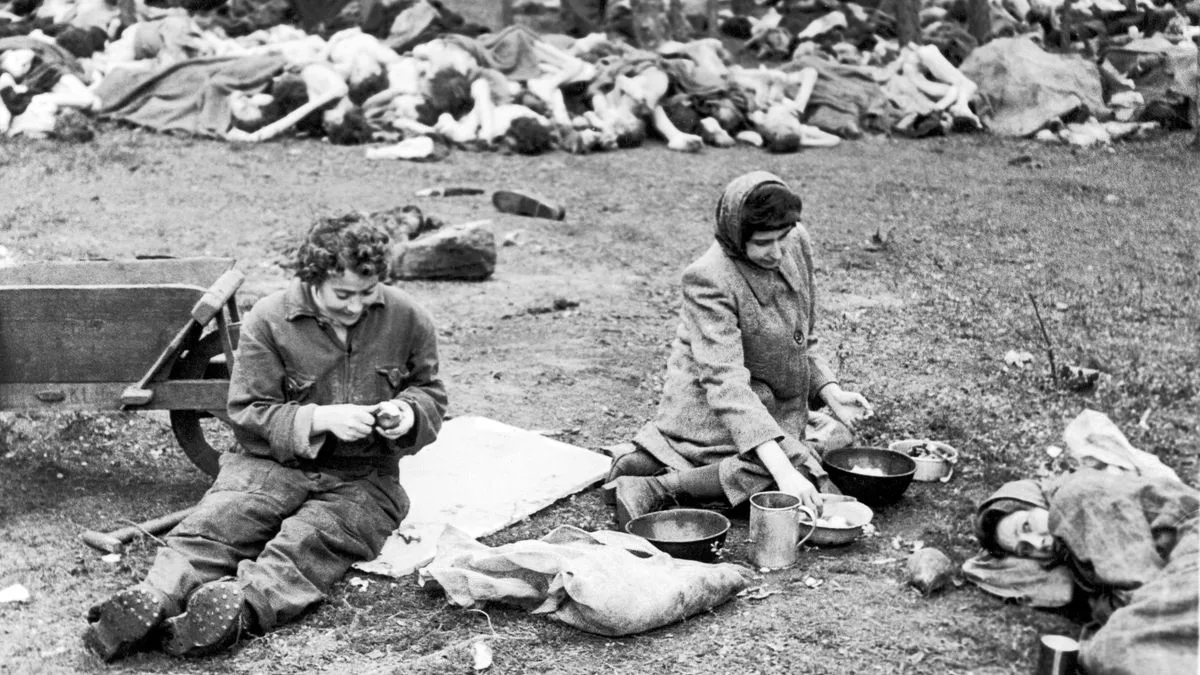
Protests have erupted across Germany following the discovery of deeply disturbing fake AI-generated images depicting the Holocaust that have been posted online purely for financial gain. Research institutions based at former Nazi concentration camps, including the memorial sites at Bergen-Belsen and Dachau, have issued a powerful open letter demanding immediate action to address this alarming trend.
Business Model Based on Exploitation
The letter, signed by more than eighty memorials, archives, museums, and research institutions throughout Germany, condemns what it describes as a cynical business model. The institutions state that the sickening images are being used to generate clicks and advertising revenue, with no regard for historical truth or the dignity of victims. "This is a business model based on clicks and advertising revenue," the letter explicitly states, highlighting how so-called 'content farms' leverage the profound emotional impact of the Holocaust to achieve maximum online reach with minimal effort.
Distorting Historical Reality
The AI-generated content in question assembles "fragments of historical facts and emotionalised fiction" to create visually convincing but entirely fabricated scenes. These images often depict:
- Starving and crying children behind barbed wire
- Imagined reunions between camp prisoners and liberators
- Fictional camp scenes that never existed in reality
The letter warns that this material is specifically designed to dilute established historical facts, shift victim and perpetrator roles, or spread revisionist narratives. Furthermore, social media algorithms are accused of promoting these emotionally charged posts "regardless of its truthfulness," thereby amplifying their harmful impact.
Undermining Authentic History
A particularly grave concern raised by the institutions is that the proliferation of such convincing fakes is leading users to "question even authentic historical documents." The letter asserts that "AI-generated content distorts history by minimising and trivialising it," and that each deceptive post devalues the crucial work and undermines the credibility of legitimate memorial sites and research bodies.
Call for EU-Wide Action
In response to the crisis, Germany's Culture Minister, Wolfram Weimer, has urgently called for European Union intervention. He has demanded that social media platforms hosting AI-generated Holocaust images and videos that masquerade as real history face stricter regulation. "The great suffering of the victims of the Holocaust must not be falsified and distorted," Weimer declared.
He emphasised that platform operators are already legally obligated under the EU's Digital Services Act to clearly label AI-generated material and remove it when necessary. Minister Weimer insisted that all profits generated from this fabricated Holocaust content must be halted, marking a firm stance against the monetisation of historical trauma.
The timing of this appeal is poignant, coinciding with the approach of Holocaust Memorial Day on Tuesday, 27th January 2026. The signatories of the letter reaffirm their commitment to protecting survivors of Nazi persecution and their descendants from having their life stories exploited by strangers for profit, advocating for a digital public sphere grounded in historical integrity and respect.