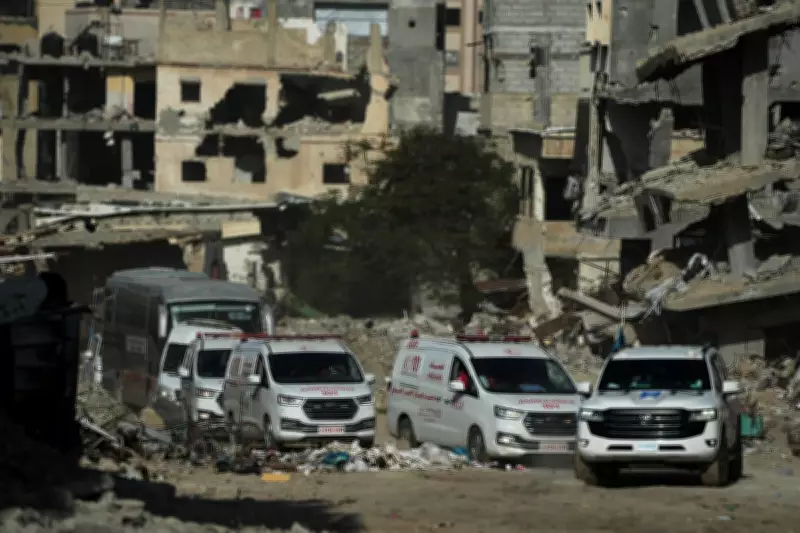
In a development that has drawn significant attention and concern, only five Palestinian patients in critical condition have been permitted to exit the Gaza Strip via the Rafah crossing since Israel reopened the border point with Egypt on Monday. This limited evacuation comes despite earlier reports suggesting that up to 50 patients, each accompanied by two relatives, would be allowed to leave the enclave daily for essential medical treatment.
Emotional Reunions Amidst Disappointment
The reopening of the Rafah crossing was initially hailed as a crucial step forward in implementing the second phase of the US-brokered ceasefire agreement between Israel and Hamas, which was established last year. However, the stark reality on the ground reveals a significant shortfall in the number of individuals being granted passage. While emotional reunions have been witnessed as some Palestinians cross the border, the overall scale of movement remains severely restricted.
A Fraction of the Expected Evacuations
According to a statement from World Health Organisation spokesperson Christian Lindmeier on Tuesday, "WHO and partners supported the medical evacuation of five patients and seven companions to Egypt via the Rafah crossing." He emphasised that this marked "the first medical evacuation through this route since sometime in 2025," referencing a limited number of evacuations that occurred during an earlier ceasefire period in that year.

The discrepancy between expectations and reality is particularly alarming given the immense need. The World Health Organisation estimates that over 18,000 injured and wounded individuals are currently awaiting medical attention in Gaza, while the local Ministry of Health places this figure at more than 20,000. Unicef has highlighted that over 3,000 of those in need are children, underscoring the vulnerability of the youngest population.
Thousands Stranded and Lives Lost
The situation is further complicated by the movement of people attempting to return to Gaza. Palestinian and Egyptian sources report that of the thousands waiting to re-enter the territory, only around 12 were permitted back in recently. A further 38 individuals failed to pass security checks and were consequently forced to spend the night on the Egyptian side of the border, adding to the humanitarian strain.
Christian Lindmeier provided a grim assessment of the consequences of these delays, stating, "We know that patients have died basically waiting for evacuation, and that's something which is horrible when you know just a few miles or kilometres outside that border, help is available." This stark reality highlights the life-or-death stakes involved in the timely processing of medical evacuations.
Political Tensions and Humanitarian Appeals
The Rafah crossing has become a highly politicised focal point, especially during periods of intense bombardment when the flow of humanitarian aid was severely restricted. Thousands of aid trucks carrying vital supplies such as food and medical provisions were previously blocked from entering Gaza, exacerbating the crisis.
In response to the current limitations, the United Nations has issued a strong call for Israel to permit unfettered movement for Palestinians and to allow the entry of humanitarian aid in strict accordance with international law. UN spokesperson Stephane Dujarric stated on Monday, "We would want to see humanitarian cargo and private cargo go in. And, of course, in terms of movements of people through the Rafah crossing, Palestinians need to be able to come out or go in, as they wish, in line with international law."
Echoing this sentiment, Save the Children has demanded the "immediate and urgent opening of Rafah and all border crossings and the safe, unrestricted passage of humanitarian assistance." These appeals underscore the growing international pressure for a more robust and compassionate response to the medical emergency in Gaza.
Capacity Concerns and Future Prospects
An Israeli defence official provided some insight into the operational constraints on Sunday, noting that the Rafah crossing has the capacity to process between 150 to 200 people in total across both directions. The official added that more people are likely to be leaving than returning, as patients typically depart alongside their escorts or companions.

This logistical detail, however, does little to assuage concerns about the current pace of evacuations. With only a handful of the most critical cases being transferred out of Gaza so far, and thousands more languishing without access to proper medical care, the reopening of the Rafah crossing has thus far failed to meet the urgent humanitarian needs on the ground. The international community continues to watch closely, hoping for a significant increase in the flow of both people and aid in the coming days.