For two agonising years, Raed Belal has been trapped in Egypt, forced to watch from afar as his wife and children endured bombardment, displacement, and hunger in the Gaza Strip. Now, with Israel preparing to reopen the vital Rafah border crossing, the 51-year-old father has packed his suitcases, purchased gifts for his children, and stands ready to return home at the first opportunity.
A Long-Awaited Reunion
"It's the moment I have been waiting for," Belal stated from his rented apartment in the Egyptian village of Badrashin. "The moment when I reunite with my children, when I return to my home and homeland, even if everything is destroyed." Belal left Gaza in July 2023 to seek treatment for back pain, just three months before the war erupted. He is one of tens of thousands of Palestinians stranded abroad, primarily in Egypt, who are desperate to return to the territory despite the vast destruction caused by Israel's military campaign against Hamas.
The Rafah Crossing Reopening
The Rafah border crossing is expected to reopen within days, a process accelerated by Israel's recovery on Monday of the last hostage's remains in Gaza, where a ceasefire with Hamas has held for four months. Gaza has been closed to entry for Palestinians since Israel launched its retaliatory campaign following the October 7, 2023, attack on southern Israel. The crossing was completely shut in May 2024 when Israeli troops took control.

However, the reopening will be severely restricted. Israeli Prime Minister Benjamin Netanyahu described it as a "limited opening," stating that only 50 Palestinians per day would be permitted to enter Gaza, subject to stringent security inspections. Before the conflict, several hundred people crossed daily from Egypt. An official from the Palestinian Embassy in Egypt, speaking anonymously, revealed that approximately 30,000 Palestinians have registered to return.
Watching Trauma from Afar
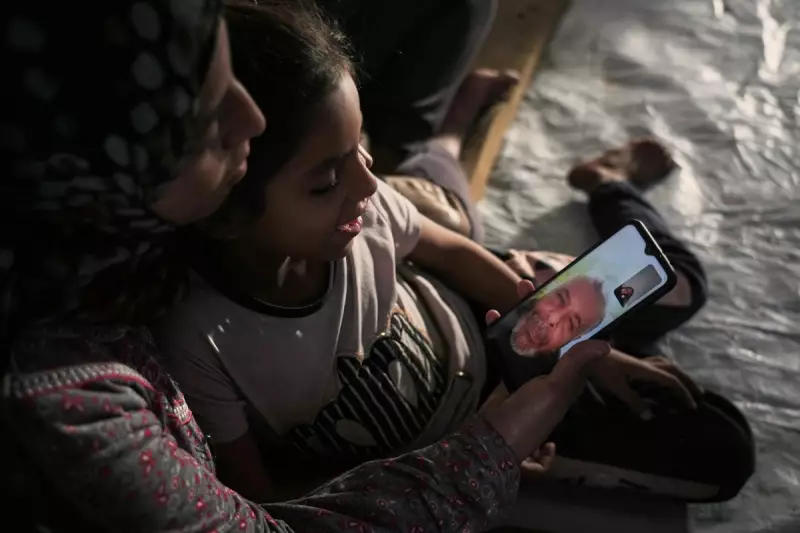
Belal's separation has been marked by profound helplessness and trauma. A few days into the war, he received a video call from his sons as they frantically evacuated merchandise from his mobile phone shop in Beit Lahiya after an Israeli military warning. The building, which housed both the shop and the family home, was demolished in the subsequent strike. His 15-year-old son, Younis, was wounded in the back, initially facing potential paralysis before recovering after months of treatment.
His wife and five children were displaced twelve times during the conflict, sheltering in locations including a neighbour's house, the Indonesian Hospital, and a school-turned-shelter in Khan Younis. Communication blackouts often left Belal unable to contact them for days. In a harrowing incident, he was erroneously informed that Younis had been killed, enduring a day of torment before learning it was a case of mistaken identity. Tragically, one of his brothers, Mohammed, and his 2-year-old child were killed in a bombing at a school shelter in the Shati Refugee camp in mid-2025.
Life in Gaza and Hopes for Return
Belal's family now lives in a tent in Gaza City, relying on charity kitchens for food. His wife, Asmahan, described the immense psychological burden of keeping her children safe and fed. "I'm mentally exhausted. The responsibility is immense," she said. "We have been humiliated and degraded." She expressed hope that the crossing would open, allowing her husband's return and their reunion.
Belal's brother, Jaber, who also registered to return with his Egyptian wife, emphasised their determination to rebuild. "This is our land. Our house is there, even though it's destroyed. We will rebuild it and rebuild Gaza," he asserted. Meanwhile, Palestinians hope the reopening will facilitate increased medical evacuations; the Gaza Health Ministry reports 20,000 individuals awaiting urgent treatment abroad for war wounds or chronic conditions.
Despite the imminent reopening, Belal acknowledges the wait may be prolonged. His children anticipate his immediate return, but he knows it could be months before he can deliver the gifts he has prepared—shoes and clothes for his teenage sons, and makeup and perfume for his 8-year-old daughter. With his bags packed, he remains poised for the journey home, a testament to enduring hope amidst devastation.