Dubai's Influencer Dream Crumbles as War Exposes City's Dark Reality
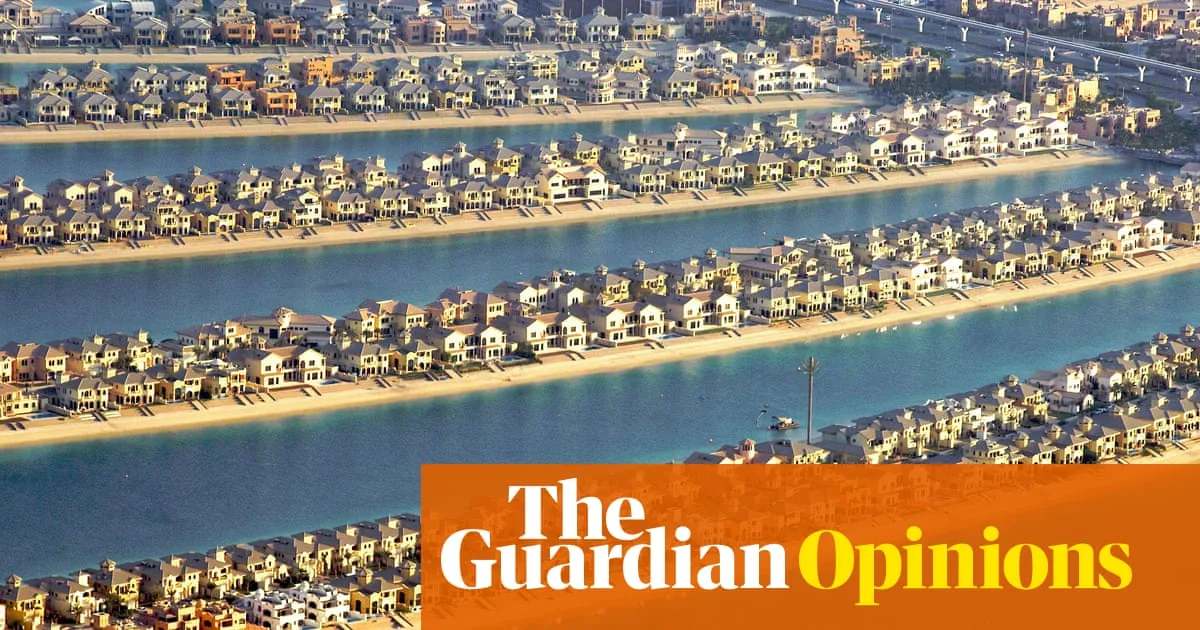
The glamorous facade of Dubai, meticulously crafted by expat influencers, is rapidly disintegrating amidst the recent conflict in the Middle East. For years, these social media personalities have been paid to promote an aspirational version of the city, but the outbreak of war has shattered the illusion of safety and luxury, exposing deeper societal issues.
A Curious Lack of Sympathy for Expat Influencers
Living in close proximity to a war zone, Australian and British expats and influencers in Dubai have faced surprising ridicule and contempt from their home countries. Since Dubai was bombed in the initial days of the conflict, responses have been harsh. In the UK, Liberal Democrat leader Ed Davey criticised "tax exiles and washed-up old footballers" in Dubai who mock ordinary Brits but now expect military rescue. On Good Morning Britain, presenter Susanna Reid questioned whether Brits who moved to Dubai to avoid taxes should pay for their own evacuation.
British writer Shona Sibary captured the absurdity in a Daily Mail piece titled, "I'm trapped and under attack in Dubai – while back home in Chichester my daughters are furious, the labradoodles are sick and, worst of all, I left my Mounjaro pen in the fridge." Similarly, Australian influencer Louise Starkey was widely mocked for an Instagram video where she expressed fear as missiles sounded in the background, stating, "It's not meant to be happening here."
The Wilful Blindness of Dubai's Social Contract
Dubai's entire social contract relies on a deliberate ignorance of the suffering and violence nearby. Gaza is geographically close, yet the city demands that visitors and expats do not question what occurs beyond its borders or how it was built. The construction industry in Dubai has long been criticised for the kafala system, a sponsorship-based labour framework that ties migrant workers' legal status to employers, granting significant control over immigration, work permits, and living conditions.
Expat influencers on golden visas serve as part of Dubai's marketing arm, posting an aspirational image to millions worldwide. They face severe penalties, including jail, fines, or expulsion, for publishing content about migrant workers or human rights abuses—and now, the war. This enforcement highlights the city's efforts to maintain its pristine image at all costs.
The Neoliberal Dreamworld Built on Oppression
In 2010, urban theorist Mike Davis described Dubai in his work "Fear and Money in Dubai" as having a sickly moral complexion, with DNA rooted in the worst excesses of capitalism. He portrayed it as an "evil paradise," a neoliberal dreamworld less a place than a backdrop for influencer posts. Over 15 years later, Dubai has self-actualised into this vision, established by indentured workers and amplified through social media.
Influencers paid by the government propagated a narrative of Dubai as the safest place on Earth, filled with seven-star luxury and endless parties. However, beneath the surface, it remains a lonely city. The Maseratis they pose in are borrowed, the alcohol they toast with is illegal, helicopters are rented by the hour, and their appearances are enhanced by botox, silicone, and hyaluronic acid. We have long known these truths but chose to overlook them.
Revealing the Wider Tableaux of Suffering
The recent conflict has broadened the theatre of war, making the wider tableaux in the Middle East visible. This exposure has highlighted the dissonance between Dubai's reality and its image, stripping away masks to reveal our lack of compassion for expat influencers, distaste for the Dubai project's origins, and growing distrust in influencing itself. Moreover, it has exacerbated the vulnerability of migrant workers, who keep Dubai propped up with cheap labour but cannot afford to flee.
As the dream crumbles in a puff of missile smoke, the true cost of Dubai's luxury becomes apparent—a city built on oppression, where the suffering of many is ignored for the comfort of a few.