Dubai's Glittering Facade Cracks Under Iranian Onslaught
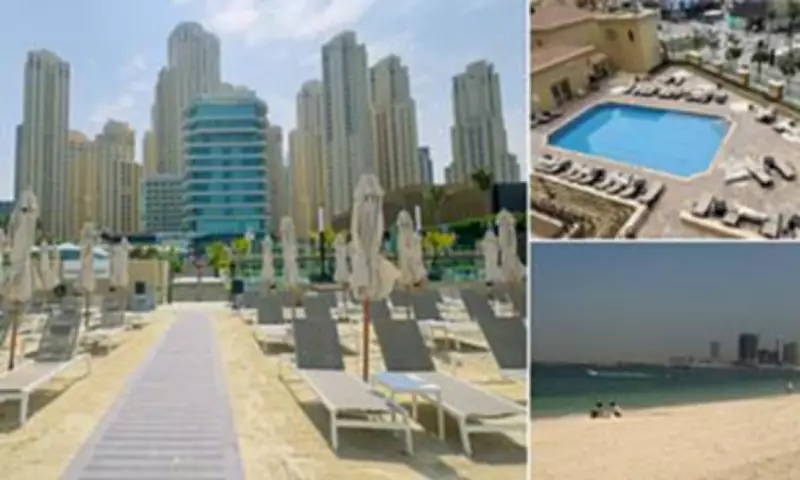
The once-bustling metropolis of Dubai now stands eerily quiet, its sun-drenched beaches and luxurious pools lying empty as a relentless barrage of Iranian missiles and suicide drones drives away the very lifeblood of the city: its vast army of influencers and expatriates. This tax-free haven, long celebrated for its warm climate, crime-free streets, and opulent lifestyle, has seen its carefully curated image shattered beyond recognition. Residents now whisper a grim verdict: Dubai is 'finished'.
A City Under Siege and Abandoned
Thousands have fled the war-torn emirate, vowing never to return as the Islamic Republic targets glitzy skyscrapers and five-star hotels, including a strike on the world-famous Fairmont hotel on Palm Jumeirah. The iconic white sands of Jumeirah Beach, a favourite haunt for Dubai's 240,000 British expats, were desolate this past Friday. Reports indicate facilities are closing due to a catastrophic lack of visitors.
Historically a day of reduced business hours for prayers and leisure, Friday now paints a picture of abandonment. Beach bars, sun loungers, swimming pools, and the pristine coastline remain untouched, not by choice, but because residents are reeling from continuous attacks. The heart of the financial district has been damaged by debris from downed Iranian drones, transforming bustling hubs into ghost towns.

The Staggering Scale of the Assault
Dubai has borne the brunt of the Iranian regime's aggression, targeted by an estimated 1,700 projectiles—two-thirds of all missiles launched—over just two weeks. While UAE air defences have reportedly intercepted around 90 percent, the psychological and physical damage is profound. Western banks have already evacuated employees following explicit threats from Iran.
The conflict's toll is mounting. Dubai International Airport has sustained damage, with four people injured in a drone strike on a terminal, prompting major airlines to cancel regional flights for weeks. So far, four fatalities have been confirmed, and tens of thousands of residents and tourists have fled since hostilities began. Those who remain live under a cloud of fear and censorship, facing prosecution for posting videos of missiles overhead, despite constant phone alerts warning them to take shelter.
Economic Desperation and Propaganda Push
With minimal oil reserves, Dubai's economy is critically dependent on its expat population, which constitutes 90 percent of the city. In a desperate public relations campaign, authorities are attempting to reassure people, bizarrely claiming the 'big booms' in the sky are 'the sound of us being safe'. This has done little to quell widespread panic.
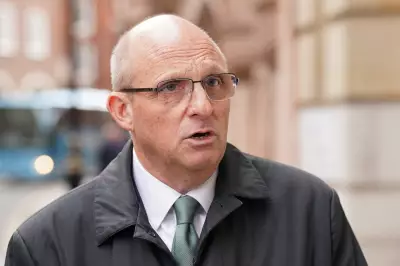
'The shine has definitely been taken off,' lamented John Trudinger, a British headteacher and 16-year Dubai resident. He employs over 100 UK teachers at his Emirati school, most of whom have fled, 'deeply traumatised' and unlikely to return. Taxi driver Zain Anwar, whose car was destroyed in an attack, echoed the sentiment: 'There is no business... Everybody knows that Dubai is finished.'
Crackdown on Dissent and Influencer Propaganda
The UAE government has launched a severe crackdown on free speech. Authorities have charged 21 people, including a Briton, with cyber crimes for circulating videos of explosions. Content creators face up to two years in jail and a £40,000 fine for posting anything that 'causes public panic' or contradicts official announcements.
Simultaneously, Dubai's influencer army has unleashed a barrage of suspiciously uniform posts praising the government. Many share images of Dubai's ruler, Sheikh Mohammed bin Rashid Al Maktoum, with captions like 'I know who protects us'. While some deny being paid, sceptics accuse them of pumping out state-sponsored propaganda. The government requires influencers to hold licences and has threatened prison for sharing 'panic-inducing' information, leading to widespread self-censorship.

Celebrity Reactions and Continued Conflict
British celebrities in Dubai have presented a mixed response. Kate Ferdinand, who initially struggled with homesickness, now boasts about her children's education there. Luisa Zissman mocked scared tourists 'making out they've come back from the frontlines', declaring the UAE the 'safest country in the world' before quietly returning to Britain. Petra Ecclestone tearfully expressed gratitude for Dubai's safety measures.
However, British influencer Ben Moss admitted a greater fear of fines or jail for posting 'wrong' content than of the Iranian missiles themselves. 'I always keep everything positive,' he confessed.
As the conflict rages on, with a recent US aircraft crash in Iraq claiming four lives and Iran threatening to block the vital Strait of Hormuz, Dubai's future hangs in the balance. The exodus continues, leaving behind a shell of a city whose golden allure has been tarnished by war.