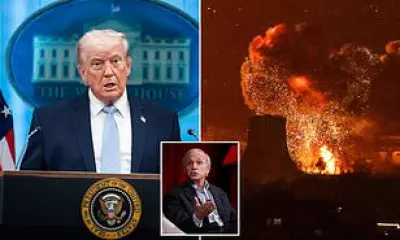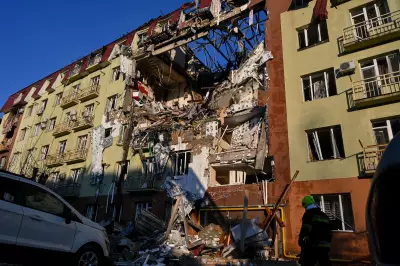
In a significant escalation of regional hostilities, deadly Israeli military strikes have targeted the Lebanese capital of Beirut, resulting in multiple casualties and widespread damage. The attack, which occurred on April 10, 2026, marks a notable expansion of the ongoing conflict beyond previous boundaries, raising fears of a broader regional war.
Details of the Strikes
According to reports, the Israeli strikes hit key locations in Beirut, causing substantial destruction to infrastructure and residential areas. Emergency services were quickly deployed to the scene, where they worked to rescue survivors and assess the full extent of the damage. Initial estimates indicate that the strikes have led to a significant number of fatalities and injuries, though exact figures remain unconfirmed as rescue operations continue.
Regional Implications
The attack on Beirut represents a major escalation in the long-standing tensions between Israel and Lebanon, which have been simmering for years. Analysts warn that this move could provoke retaliatory actions from Lebanese forces or allied groups, potentially drawing other regional actors into the conflict. The international community has expressed deep concern, with calls for immediate de-escalation and diplomatic intervention to prevent further violence.

Humanitarian Impact
The strikes have exacerbated an already dire humanitarian situation in Lebanon, which has been grappling with economic crises and political instability. Local authorities are struggling to provide adequate medical care and shelter for those affected, highlighting the urgent need for international aid and support. The targeting of urban areas has raised alarms about the protection of civilians in conflict zones.
International Reactions
Global leaders have condemned the strikes, urging both sides to exercise restraint and engage in dialogue. The United Nations has called for an emergency session to address the crisis, while regional powers are monitoring the situation closely. The incident underscores the fragile nature of peace in the Middle East and the potential for rapid escalation in the absence of effective conflict resolution mechanisms.
As the situation develops, further updates are expected regarding the casualty toll and the political fallout from this deadly attack. The international community remains on high alert, with efforts underway to mediate and prevent a full-scale regional war.