China's Diplomatic Gains from US-Iran War Risk Long-Term Economic and Energy Pain
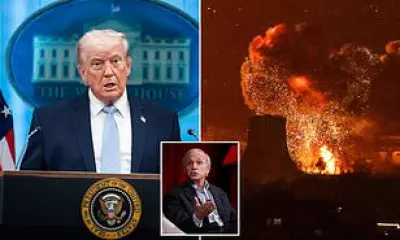
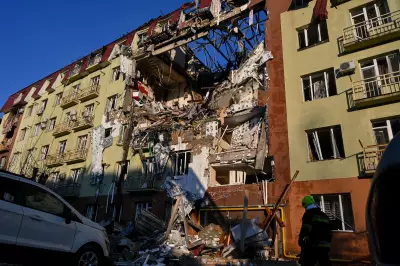
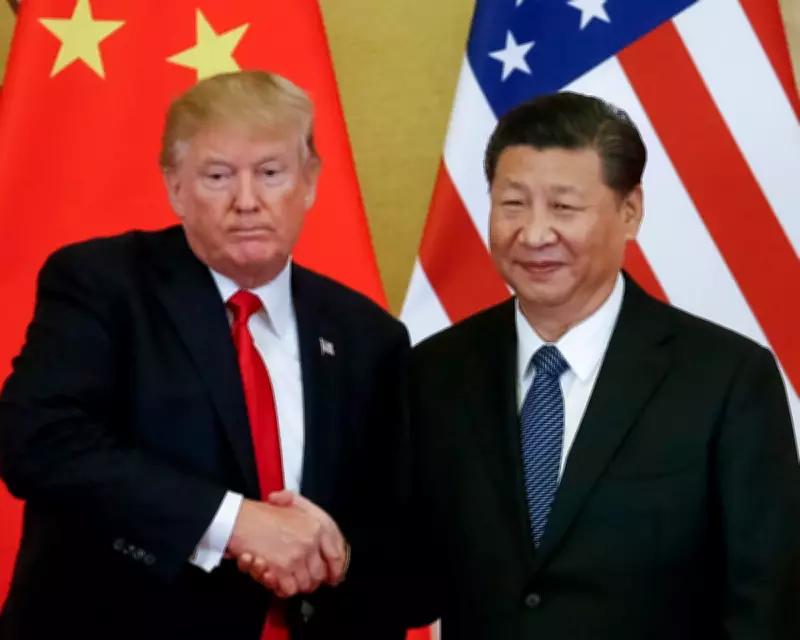
Two months ago, China's Foreign Minister Wang Yi predicted a "big year" for China-US relations, anticipating a planned visit by US President Donald Trump to Beijing in March. This would have been Trump's first trip to China since 2017, aimed at fostering trade discussions with Chinese President Xi Jinping. However, the visit was postponed after Trump launched strikes with Israel against Iran, igniting a war in the Middle East that has triggered a global energy crisis and strained diplomatic ties worldwide.
The conflict has severely disrupted the fragile relationship between the two superpowers. Wang Yi had urged both sides to "treat each other with sincerity and good faith," but China now accuses the US of "dangerous and irresponsible" behaviour over its blockade in the Strait of Hormuz and has threatened retaliation against potential US tariffs. In response, US Treasury Secretary Scott Bessent labelled China an "unreliable global partner" for stockpiling oil, escalating tensions further.
Short-Term Advantages Turn to Long-Term Vulnerabilities
Initially, analysts forecasted short-term gains for China from the US-Iran war. Rising oil prices were seen as more damaging to the US, while the conflict undermined Trump's global credibility, diverted US military resources, and shifted political attention in Washington away from Beijing and Asia-Pacific security threats. China's fossil fuel stockpiles and diversified energy mix provided some insulation from the immediate oil shock.

Yet, these benefits have quickly faded, revealing two critical risks for China. First, despite its energy reserves, China faces potential shortages that could impact its economy. Pump prices for drivers have already increased, threatening Beijing's long-term strategic planning. Shen Dingli, a Shanghai-based international relations scholar, warned that the conflict "deeply undermines China's energy security," particularly concerning future plans regarding Taiwan. He emphasised the need to consider consequences like energy cutoffs in such scenarios.
Although oil constitutes less than one-fifth of China's total energy mix, its share is significantly higher in crucial sectors like transportation and aviation, which are vital for military operations. China relies on Iran for about 12% of its oil supply, with over 80% of Iran's oil exports previously reaching China uninterrupted before the US counter-blockade in the Strait of Hormuz.
Economic and Diplomatic Fallout
Second, the war risks triggering a global recession, which would severely impact China's export-dependent economy. Exports account for approximately one-fifth of China's GDP, making economic growth vulnerable to international turmoil. Andrea Ghiselli, a lecturer in international politics at the University of Exeter, noted that while China initially had something to gain, it now desires an end to the conflict, highlighting growing concerns.
Diplomatically, China continues to position itself as a stable global partner, contrasting with US actions. In recent days, President Xi Jinping has met with leaders from Spain, Vietnam, Russia, and Abu Dhabi, promoting a four-point proposal for Middle East peace that calls for respect for the rule of law. Spanish Prime Minister Pedro Sánchez reportedly "actively" supported this proposal, and China has been credited with pushing Iran towards a ceasefire, though it remains unstable.
However, realpolitik dynamics suggest America's military might may overshadow China's diplomatic efforts. For instance, Indonesia is negotiating US military aircraft access, and Japan is set to host NATO envoys, indicating shifting alliances. Shen Dingli argued that the US is at a "peak imperialist time," influencing global perceptions through actions like pressuring NATO and managing conflicts in Venezuela, Cuba, and Iran.
As Trump's rescheduled visit to China in May approaches, discussions once focused on trade deals are now likely dominated by the war's implications. With US intelligence suggesting Chinese military aid to Iran—claims Beijing denies—the visit underscores the complex interplay of short-term diplomatic gains and long-term strategic risks for China in an increasingly volatile global landscape.