China's Strategic Advantage in the Wake of US-Iran Tensions
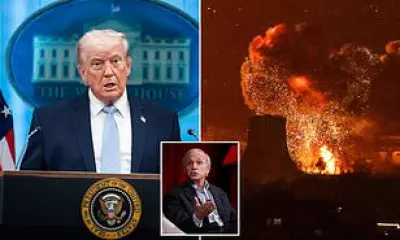
In a conflict where it holds no direct involvement, one nation is clearly emerging as the beneficiary. China observes from a distance as the United States navigates turbulent waters in the Middle East, straining relationships with regional allies and European partners. Former President Donald Trump may perceive the confrontation as a reaffirmation of American global dominance, but this perspective is not shared by his domestic critics or international observers. They witness a superpower acting with recklessness, driven by overconfidence and self-promotion.
The Perception of Stability Amid Chaos
As one superpower appears increasingly erratic, another maintains a steady course, adhering to a long-term strategy that projects an image of solidity, dependability, and intelligence. The Economist aptly referenced Napoleon Bonaparte, who reportedly advised, "Never interrupt your enemy when he is making a mistake." This sentiment resonates as China capitalizes on American missteps.
For nations that once relied on American support but now find their strategies disrupted and economies weakened, China's methodical approach holds significant appeal. The US administration delivered dual shocks to the global order: implementing new tariffs and launching military actions against Iran. Previous concerns about China's human rights record, treatment of Uyghurs, ambitions toward Taiwan, suppression of democracy in Hong Kong, and global espionage activities are now overshadowed by an urgent need to secure energy, commodities, and technology.

Diplomatic and Economic Fortification
Diplomatically and economically, China finds itself in a strengthened position. This outcome likely escaped Trump's calculations, assuming any existed. While China consumes over 80 percent of Iran's exported oil, the impact is manageable; Iran supplies only 10 percent of China's total oil imports. Additionally, Beijing maintains strategic reserves of 1.2 to 1.3 billion barrels, sufficient for several months.
As other nations scramble for energy security, China has diligently developed a diversified energy policy. Although oil and gas remain important, the economy aggressively pursues nuclear and renewable energy while maintaining coal provisions. The long-term goal is to replace fossil fuels with green alternatives.
Strategic Economic Maneuvers
China's government recently increased petrol prices by 13 percent in response to Iranian events and rising oil costs. This move also addresses domestic deflationary pressures, aiming to stimulate inflation and boost GDP. While other countries combat inflation, Beijing seeks to prevent manufacturing stagnation and potential stagflation.
However, higher prices may affect exports, a critical component representing one-third of China's economic growth. Last year's record trade surplus of $1.2 trillion faces uncertainty due to war-related fuel instability and unresolved tariff issues. A decline in global trade could unsettle Beijing, especially given a depressed property market and shaky consumer confidence.
Leveraging Technological Leadership
China retains unique advantages, including widespread adoption of its electric vehicles, lithium batteries, and solar cells. European resistance to Chinese dominance in these sectors has been limited, and post-conflict priorities may increase demand for precisely these products. Adaptation requires time, but China currently enjoys a position of relative stability, distanced from the chaos affecting London and Washington.
The possibility of export collapse remains if Iran escalates rather than defuses tensions. Nevertheless, Beijing's calculated approach positions it as a reliable alternative in a volatile global landscape, underscoring its emergence as the strategic winner from Trump's war in Iran.