A landmark report has delivered a grim forecast: the steady decline in global child deaths, a hallmark of progress this century, is set to reverse this year. The Bill & Melinda Gates Foundation projects that around 200,000 more children under the age of five will die in 2025 compared to the previous year, directly linking this tragic increase to unprecedented cuts in international aid from nations including the UK and the United States.
A Century of Progress Halted and Reversed
Since the year 2000, when the annual death toll for under-fives stood at a staggering 10 million, the world has seen a consistent yearly reduction in these preventable tragedies. This positive trend is now broken. The Foundation's report, compiled with the University of Washington's Institute for Health Metrics and Evaluation, estimates total child deaths will rise to 4.8 million in 2025, up from 4.6 million in 2024.
Mark Suzman, CEO of the Gates Foundation, stated unequivocally to The Independent: "This year, sadly, is almost certain to be the first year of this century where that has not just stopped, but reversed." He identified the "largest single cause" as the sharp reduction in international development funding. "When you pull back at short notice, that has consequences and sadly those consequences are measured in human lives," Suzman added.
The Direct Impact of UK and US Funding Decisions
The analysis points a direct finger at recent political decisions in major donor countries. The most significant cuts globally have come from the United States, where the return of President Donald Trump in January 2025 led to an overnight cancellation of all foreign aid spending. Although some funding has been restored, the disruption "has absolutely led to lives lost," according to Suzman.
Concurrently, the United Kingdom is in the process of slashing its own foreign aid budget by 40 per cent. One dire consequence of this cut is a heightened risk that tens of thousands more children will die from malaria, a disease that already claims over 600,000 lives annually, mostly young children. The UK government has also recently announced a 15 per cent reduction in its contribution to the Global Fund, the world's largest financier of HIV, tuberculosis, and malaria programmes.
Cost-Effective Solutions Versus a "Death Knell" for the Vulnerable
The report underscores the profound efficiency of targeted health spending. It found that less than $100 per person per year invested in strengthening healthcare systems could prevent up to 90 per cent of child deaths. Furthermore, every dollar spent on vaccination programmes yields a $54 return for recipient countries.
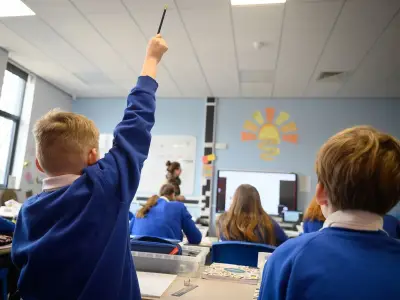
Bill Gates, co-chair of the foundation, framed the loss in poignant terms: "That means more than 5,000 classrooms of children, gone before they ever learn to write their name or tie their shoes." He emphasised that the world is turning its back on known, preventable causes of death.
The political reaction in the UK has been stark. Former International Development Secretary Sir Andrew Mitchell condemned the projections as "appalling," blaming budget slashing by the current Labour government. He warned that "the collapse of international leadership is sounding the death knell for the world’s most vulnerable." Conservative MP David Mundell urged the UK to "step up in this world of reduced funding and demonstrate leadership" in using resources effectively.
Mark Suzman called on wealthy nations to focus on high-impact tools like vaccines and insecticide-treated bed nets, which represent a minuscule fraction of national budgets but save countless lives. "If I had to pick one, I’d pick a malaria vaccine," he said, highlighting the urgent need for better protection against the world's biggest killer of children.
The report arrives amid intense debates in richer nations about public spending priorities during a cost-of-living crisis. Suzman argued that when the question is framed abstractly about 'foreign aid', support wanes, but when posed as spending a small amount to directly save a child's life with a vaccine, "nearly all of them would say yes." The challenge now is whether political will can realign with this human imperative before more classrooms are left empty.