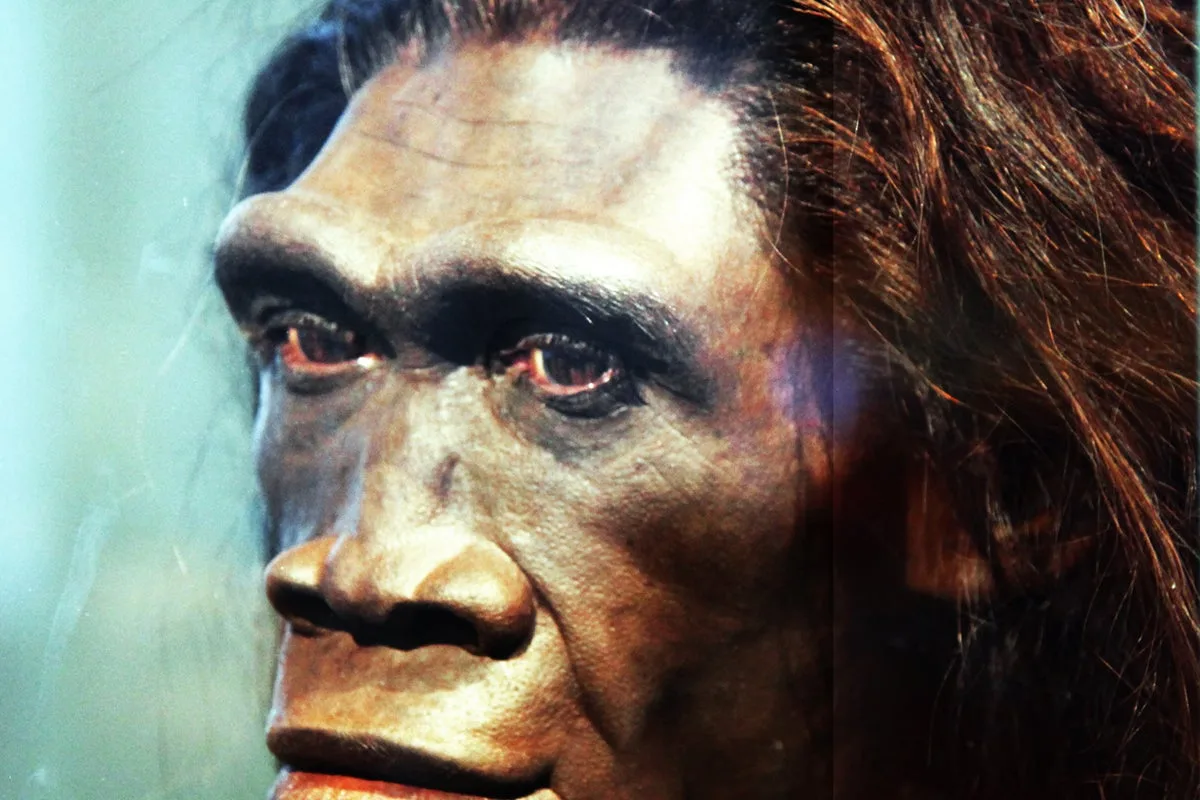
Ancient Teeth Reveal Interbreeding Between Early Human Relatives
Ancient Teeth Reveal Early Human Interbreeding

An analysis of ancient teeth is offering scientists a rare glimpse into interactions between early human relatives hundreds of thousands of years ago, interactions that have left a lasting imprint on our species.

Genetic Clues from Homo Erectus

A new study reveals genetic clues about a human ancestor called Homo erectus. H. erectus emerged in Africa around 2 million years ago and spread across the globe, including Asia and possibly Europe. Scientists have found remains of this early human in countries such as Indonesia, Spain, China, and Georgia. However, genes and proteins do not preserve well, making information about the early humans' internal makeup elusive.

In a groundbreaking effort, researchers extracted ancient enamel proteins from H. erectus teeth belonging to five men and one woman, recovered from several locations in China, to understand how these early humans may have interacted.

Wide Pickt banner — collaborative shopping lists app for Telegram, phone mockup with grocery list

The 400,000-year-old teeth all contained two key mutations in a protein found in tooth enamel. One mutation had not been observed before and could be a unique signature of East Asian members of H. erectus. The second mutation was more complex: scientists identified a variant also present in a small fraction of modern humans and in one of our extinct cousins, the Denisovans. This suggests that H. erectus may have mated with and passed their genes to Denisovans in the past. But how did these genes reach modern humans? Scientists believe this may have occurred later when our ancestors intermingled with Denisovans.

“This traces who we are now back to our ancestors in a really cool and exciting way, using new methods,” said paleoanthropologist Ryan McRae of the Smithsonian National Museum of Natural History, who was not involved in the research.

Unraveling the Evolutionary Puzzle

The exact relationships between these early human relatives remain somewhat unclear. It is possible that H. erectus is actually an ancestor to the Denisovans, who inherited those genes over time, McRae noted. Untangling this puzzle is challenging with extremely limited data. Finding more fossils and testing the limited evidence for remnants of DNA can help solidify the human evolutionary story.

“We really need to get more DNA” and bits of H. erectus to figure out how this predecessor “is exactly related to other humans,” said study author Qiaomei Fu of the Institute of Vertebrate Paleontology and Paleoanthropology in China.

___

The Associated Press Health and Science Department receives support from the Howard Hughes Medical Institute's Department of Science Education and the Robert Wood Johnson Foundation. The AP is solely responsible for all content.

Pickt after-article banner — collaborative shopping lists app with family illustration