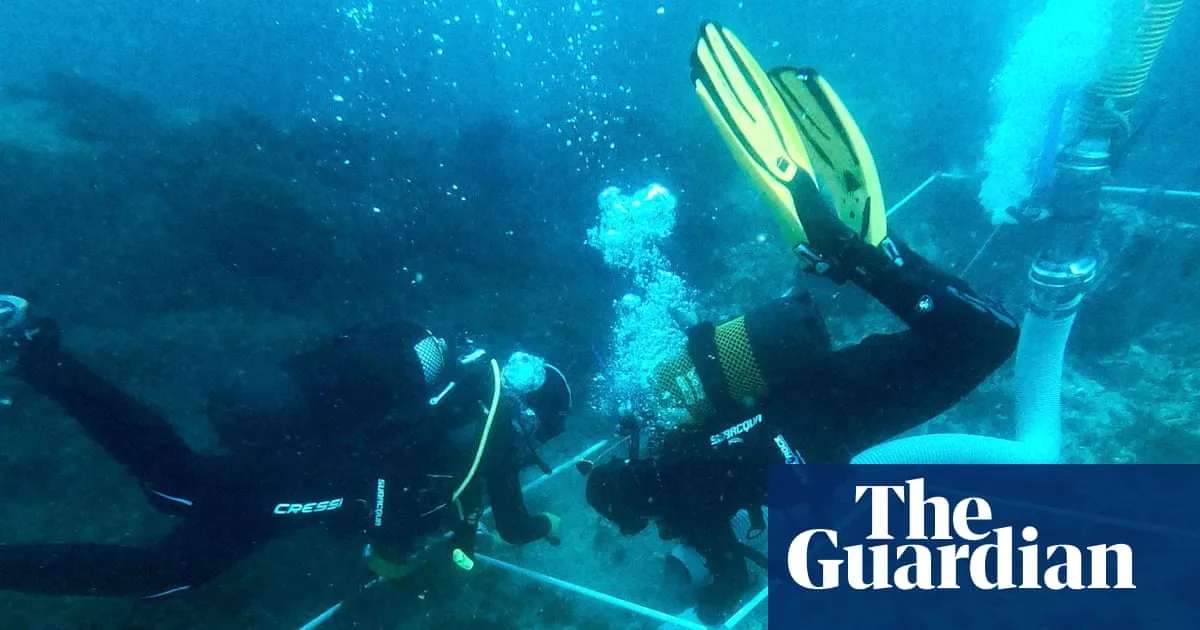
Spanish archaeologists have documented the wrecks of more than 30 ships in the Bay of Gibraltar, spanning from the fifth century BC to the Second World War. The finds, uncovered during a three-year project led by the University of Cádiz, include 151 archaeological sites in the bay, with 134 shipwrecks identified to date. Of these, 34 have been fully documented by researchers from the University of Cádiz and the University of Granada.
The oldest wreck is a Punic-era vessel dating to the fifth century BC, while others include 23 Roman ships, two late Roman ships, four medieval ships, and 24 vessels from the early modern period. Among the most notable discoveries is the Puente Mayorga IV, a late 18th-century Spanish gunboat used for stealthy attacks on British ships. These small craft often disguised themselves as fishing boats before revealing their cannon. Inside the wreck, archaeologists found a book-shaped wooden box containing a pair of wooden combs, rather than the espionage documents initially suspected.
Felipe Cerezo Andreo, the project's lead archaeologist, described the bay as a 'bottleneck' through which ships have passed for millennia, making it a rich repository of maritime history. He highlighted the variety of nationalities represented, including Dutch, Venetian, Spanish, and English vessels, reflecting centuries of trade, conflict, and exploration. The researchers are particularly excited about three medieval wrecks that may offer insights into seafaring during the late Islamic period in southern Spain.
Project Herakles aims to document and preserve these sites, which are threatened by port development, dredging, and climate change. Rising sea levels and invasive algae are exposing and damaging wrecks. To raise awareness, the team has created virtual models and 360-degree videos of the sites, allowing the public to experience dryland diving with virtual reality goggles. They hope Andalucían and national authorities will act to protect the underwater heritage of the Bay of Gibraltar.