Education Secretary Distinguishes AI Tools from Mobile Phones in Classroom Settings
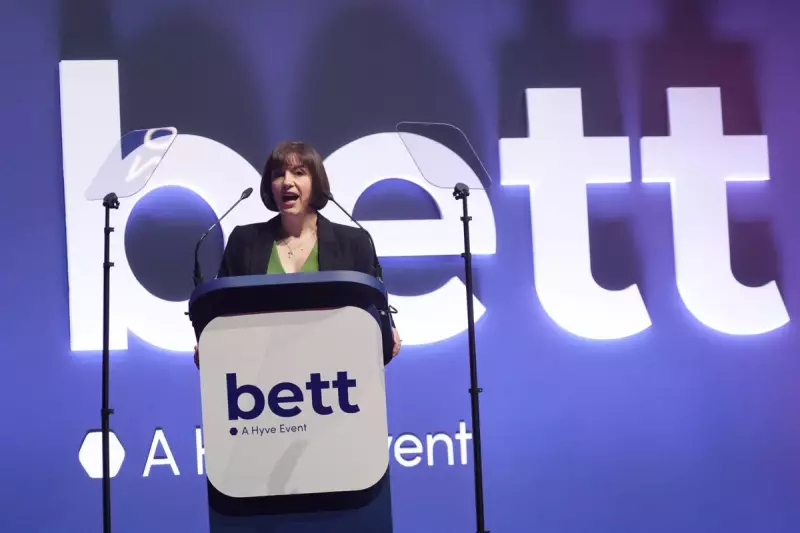
Education Secretary Bridget Phillipson has drawn a clear distinction between artificial intelligence learning tools and mobile phones in schools, stating that while phones have "no place" in educational environments, AI presents a transformative opportunity for learning. Speaking at the Bett UK Conference on Wednesday 21 January 2026, Phillipson emphasised that AI has the potential to "deliver the biggest leap forward for learning in centuries" when implemented responsibly.
Balancing Screen Time with Educational Advancement
The Government does not want children spending excessive time on screens beyond what is educationally necessary, Phillipson clarified. However, she positioned AI learning tools as fundamentally different from general screen use, stating: "We don't want our children kept on apps or on screens longer than is necessary for their education. There's a big debate going on about this across the world."
This statement comes alongside several Government initiatives addressing children's digital wellbeing. Earlier this week, the Department for Education announced a consultation on children's online welfare, following calls from backbench MPs for social media restrictions similar to Australia's approach for under-16s.

New Standards and Guidance for Educational Technology
Phillipson outlined multiple measures to ensure AI tools meet appropriate standards before entering classrooms. The DfE has established specific requirements that AI products must satisfy to be considered safe for educational use, including preventing users from generating or accessing harmful content.
"We'll look at restrictions on addictive features, a ban on social media access for children and better age checks," Phillipson told conference attendees, adding that the Government will publish screen time guidance for under-5s in April and develop similar guidance for teenagers.
Substantial Investment and Testing Programme
The Government is committing £23 million to expand testing of educational technology tools, with the programme scheduled to begin in September. More than 1,000 schools and colleges will participate in trialling new technologies to assess their impact on pupil outcomes, with particular focus on supporting students with special educational needs and disabilities.
Phillipson highlighted examples of how EdTech can transform learning experiences, mentioning devices that help non-verbal children communicate with teachers and classmates - technology already being used successfully in Hartlepool. Other tools can adapt lesson content dynamically to support children with Send requirements.
Teacher Training and Professional Development
The Department for Education will integrate digital, data and technology skills into qualifications and training programmes for teachers and support staff. This follows last year's announcement that all teachers will undergo mandatory training in effectively using assistive technology to support children with Send.
The Government will also examine whether new AI tools can help reduce teacher workload, addressing one of the profession's persistent challenges. This comes as teaching unions have called for educator involvement at every stage of AI adoption in schools.
Legislative Context and Future Directions
The debate around technology in education continues in Parliament, with peers voting on Wednesday on an amendment to the Children's Wellbeing and Schools Bill that would raise the age limit for social media users. Phillipson's speech positioned the Government's approach as seeking to harness AI's educational potential while maintaining appropriate safeguards for young people's wellbeing.
The Education Secretary's remarks reflect a nuanced approach to technology in education, recognising AI's transformative potential while acknowledging the need for careful implementation, proper standards, and consideration of screen time impacts across different age groups.