A smelly bathroom can be incredibly frustrating, especially when you clean it regularly. While most people focus on obvious areas like the toilet and sink, unpleasant odors often come from neglected spots.
Professional Cleaner Reveals Hidden Culprits
A professional cleaner on social media has disclosed that most people overlook crucial cleaning tasks, leading to persistent bad smells. Kellsie Cleaning Tutorials posted on TikTok to reveal: "If your bathroom still smells after you clean, this is probably why. It's not always what you think. Most people miss these two spots."
1. Toilet Seat Hinges
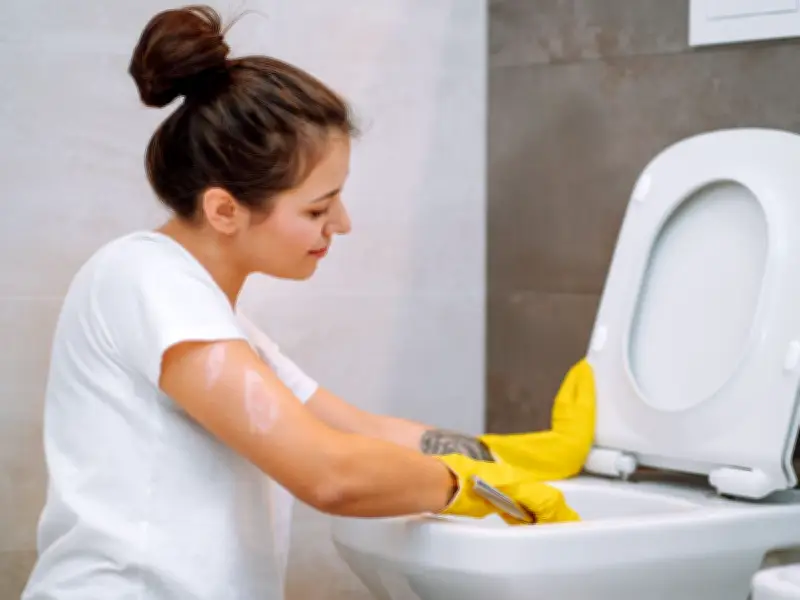
When cleaning the toilet, most people tackle the seat and surrounding surface, but the hinges are often missed. Kellsie explained: "Those hinges trap bacteria, urine, and grime, and that's where odor starts. It builds in areas you can't see just from wiping the surface. Once you clean under there, you'll notice a difference immediately."
According to industry specialists at Bathroom Mountain, removing the toilet seat enhances odor control by ensuring cleaning products reach every surface and making it easier to target hard-to-reach spots with standard tools. Kellsie also noted: "And don't forget the bidet if you have one. Most bidet seats have a quick-release button on the side. Remove it, then clean underneath the seat and around the base plate really well. That area traps moisture and buildup."
2. The Floor
Bathroom floors are prone to collecting germs as they are frequently damp and warm. The combination of dirt and moisture creates ideal conditions for bacteria and mold to thrive. Regular floor cleaning is essential, but Kellsie emphasized: "That smell around your toilet, it's not usually the toilet. It's urine soaked into the grout, and once it's in there, a quick mop is not going to touch it."
She added: "You need to deep clean the grout. A steam cleaner works really well for this because it pulls everything up deep inside the grout. That's what actually removes the odor instead of just masking it." If you don't have access to a steam cleaner, experts at Screwfix suggest using bicarbonate of soda and vinegar instead. This natural cleaning approach can effectively tackle stains, though vinegar may cause damage to certain tile types. It's always advisable to test the solution on a small, inconspicuous area beforehand to confirm it's safe for use.