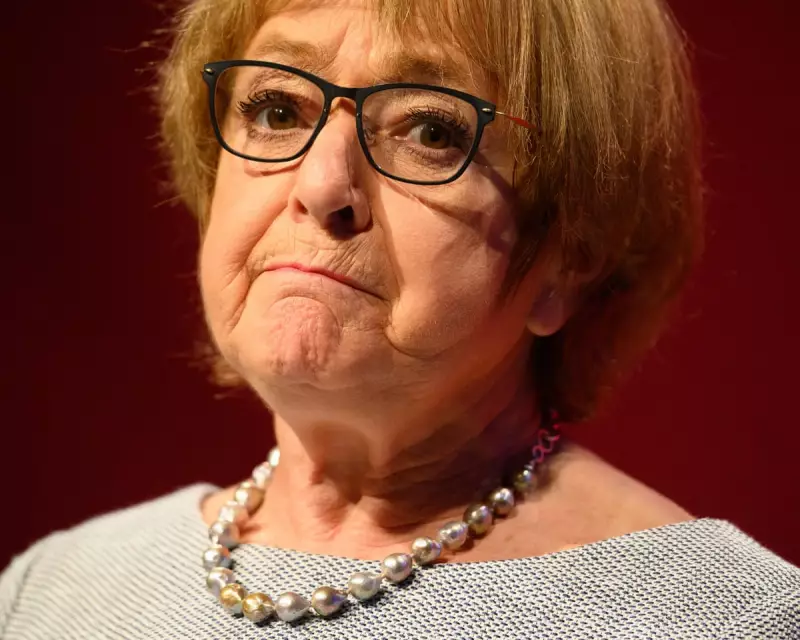
In a significant intervention, Labour peer and former arts minister Margaret Hodge has published a damning report on Arts Council England (ACE), urging a radical simplification of its processes and a revival of regional decision-making bodies abolished more than two decades ago.
A Call to Slash Bureaucracy and Rethink Strategy
The report, which stops short of calling for the organisation's abolition, delivers a stark critique of the current state of arts funding in England. It highlights a sector still reeling from the impact of the Covid-19 pandemic and crippled by an exhausting burden of bureaucracy. Hodge's central recommendation is a 'bonfire of red tape' to streamline the arduous and lengthy application processes that have caused widespread frustration and burnout.
More controversially, the report suggests scrapping ACE's flagship 10-year strategy, 'Let's Create'. While the strategy's focus on participation is acknowledged, Hodge argues it has been applied too rigidly, forcing organisations to contort their work to fit its criteria. She proposes a simpler framework that allows applicants to pitch based on their own strengths and artistic vision.

Back to the Future: The Return of Regional Arts Boards
In one of the most eye-catching proposals, Hodge suggests reviving a version of the regional arts boards, which were abolished in 2001 in a previous drive for efficiency. The new bodies would be designed to strengthen regional decision-making and understanding, though crucially, they would not hand power to metro mayors, preserving the arm's-length principle. Nationally significant institutions would remain under the central ACE umbrella, a potential source of future tension.
This cyclical shift in policy underscores a recurring theme in the report: that ACE often lurches from one strategic direction to its opposite. The proposal echoes the 2008 McMaster report, 'Supporting Excellence in the Arts', which similarly championed artistic trust over box-ticking. Another revival is the recommendation to reboot a programme akin to 'Creative Partnerships', which placed artists in schools between 2002 and 2011.
Plugging the Funding Gap Without Treasury Pleas
Recognising the bleak fiscal landscape, the report offers pragmatic ideas to increase arts funding without simply demanding more Treasury money. Key recommendations include:
- Extending tax breaks for touring, a popular and straightforward incentive for production and performance.
- Encouraging philanthropy outside London by increasing tax breaks for donors, addressing the vast geographical imbalance in private giving.
- Mandating local authorities to develop a cultural strategy, a direct response to the catastrophic collapse in council funding for the arts—a crisis the report notes has still not been properly addressed by national government.
Despite its criticisms, Hodge firmly reasserts that Arts Council England is the right body to distribute public arts funding and must be preserved. She strongly defends its fundamental 'arm's-length' principle, protecting it from direct political interference. The report concludes that while ACE is not beyond repair, it requires urgent and decisive reform to support an underfunded and weary sector effectively.