A mother awaiting a heart transplant for her young daughter has launched a campaign to make organ donor wishes legally binding in England, arguing that families should no longer be allowed to override a loved one's registered decision.
Campaign for 'Make Consent Count'
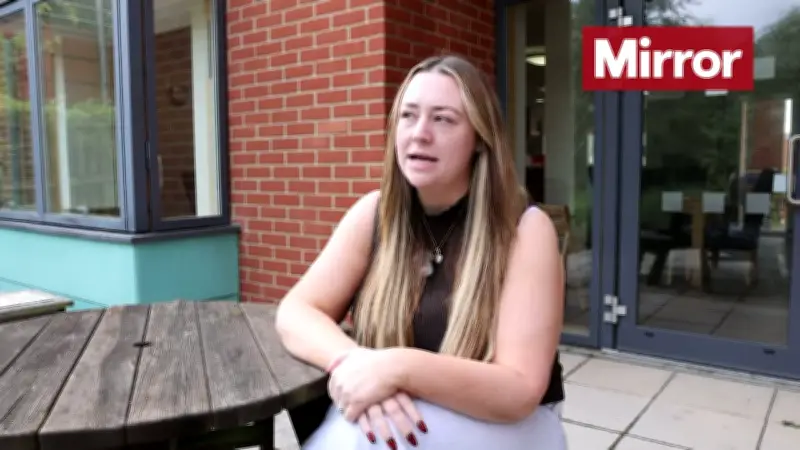
Rebecca Lambert, 30, from Cleator Moor, Cumbria, is calling for a change in the law so that once a person joins the NHS Organ Donor Register, their decision cannot be overturned by relatives after death. Her petition, launched on the Parliament website, states: "We call on the Government to legislate so that a person’s registered decision to donate is legally binding and cannot be overridden by family members after the person’s death."
According to NHS data, 842 deceased donors registered their decision to donate in 2024/2025. However, in 10 to 12% of cases, families decline consent, equating to between 84 and 101 potential donors lost. Each donor can save up to nine lives, meaning approximately 909 opportunities to save lives were missed last year.

Poppy's Story: A Heart Transplant Needed
Becca's daughter, Poppy, who turns two next month, was diagnosed before birth with a rare congenital heart defect. She underwent major heart surgery at the Freeman Hospital in Newcastle in December, but her condition worsened. After several more surgeries, doctors discovered a damaged tricuspid valve, making a heart transplant her only option.
Becca and her husband Kevin are currently waiting for a donor heart from a child of similar size to Poppy. The expected wait is about two years, though some families have waited six to twelve months. Becca said: "My daughter may need a kidney transplant in the future or even another heart transplant. The waiting game could be for up to two years. We are hoping that it is not that long."
Personal Autonomy and Missed Opportunities
Becca, who works for the NHS in blood donation, emphasised the importance of respecting donors' wishes. She said: "Under the current system, families are still consulted and can effectively prevent donation, even when a person has clearly stated their wishes. We think this undermines personal autonomy and can result in fewer life saving transplants."
She added: "The figures show not far short of 1,000 people could have been saved in 2024/5. You would not change someone's will, why would you want to change their wishes on donation?"
Support from Other Families
Becca's campaign is backed by Terry Archbold, whose five-year-old daughter Beatrix Adamson-Archbold waited over 15 months for a heart transplant at the Freeman Hospital. Terry, a police officer from Burnopfield, Co Durham, said: "I back Rebecca 100 percent. Hundreds of lives could have been saved if people's wishes were respected."
He added: "It is massively important to have that conversation with loved ones first because families are asked the question about donation at the most difficult time imaginable. I totally understand their position and for me, it should not be a question but a statement."
Background: The Opt-Out System
The Mirror's Change the Law for Life campaign led to the introduction of an opt-out system for organ donation in England in May 2020. The system, named after campaigner Max Johnson (now 17) and his heart donor Keira Ball (who died in 2017), means adults are considered potential donors unless they opt out. However, families are still consulted and can block donation even if the deceased had registered a decision.
NHS Response
An NHS Blood and Transplant spokesperson said: "The act of organ donation is incredibly special, yet it comes at a time that is especially difficult for the families who are approached about it. While our specialist nurses always inform families if their loved one has registered a decision and encourage them to honour it if they feel able, there are many reasons why families may choose not to go ahead."
The spokesperson added: "Last year, donation proceeded in 87% of cases when someone had confirmed their decision on the NHS Organ Donor Register, compared with 45% when no decision was known. That’s why we encourage everyone to record their decision. It takes just two minutes and could help save up to nine lives."