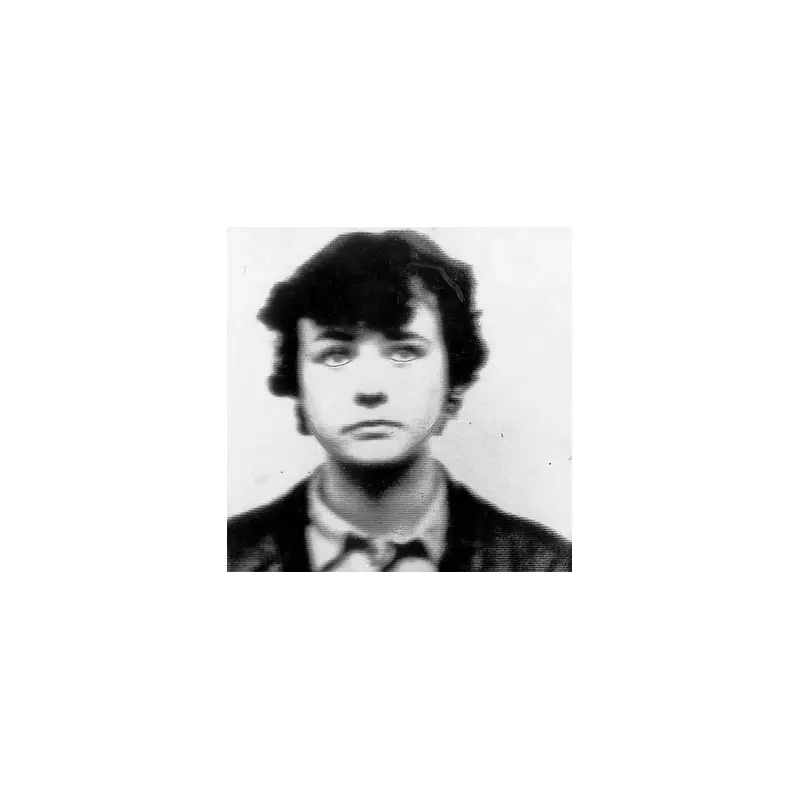
The harrowing case of an 11-year-old girl from Newcastle, convicted of manslaughter after killing two young boys, remains one of Britain's most disturbing criminal stories. Mary Flora Bell was sentenced to life detention in 1968, deemed a "grave risk to other children" by the presiding judge. Her subsequent release, new identity, and payment for a biography have sparked lasting controversy.
A Childhood of Abuse and Early Warning Signs
Mary Bell's early life was marked by profound neglect and alleged horrific abuse. An unwanted child, her mother—a sex worker—reportedly rejected her at birth. It was claimed her mother, Betty, later bound her, sexually abused her, plied her with sleeping pills, and even sold her for adoption at one point. This brutal upbringing was seen as a key factor in her psychological development.
Warning signs emerged early. Mary was a chronic bed-wetter and displayed violent tendencies at school, where she would strangle classmates and block a girl's throat with sand. She was also alleged to have pushed a boy from an air raid shelter and attempted to strangle three other girls.

The Chilling Crimes and Bizarre Notes
The crimes that shocked the nation began in May 1968. Four-year-old Martin Brown was found dead in a derelict house in Scotswood, Newcastle, on 25 May. Just two months later, on 31 July, three-year-old Brian Howe, who lived on the same road as Mary, was discovered on a waste ground near his home.
Disturbingly, Brian's body showed a feeble attempt to carve the letter 'M' on his stomach, and a pair of broken scissors lay nearby. Mary, then 10, had told her victims they had sore throats and attempted to massage them before strangling them.
In a bizarre act, Mary and her 13-year-old neighbour, Norma Joyce Bell (no relation), broke into a nursery after Martin's death. They upturned furniture and scrawled notes on a blackboard seeming to confess to the murder, writing phrases like "WE did murder martain brown" and "Watch out THERE are Murders about." Two days before Martin's funeral, Mary knocked on his mother's door asking to play with him, then coldly stated, "oh, I know he's dead; I want to see him in his coffin."
Trial, Diagnosis, and Life Detention
Both girls denied the charges. Norma Bell was acquitted of both murder and manslaughter. Mary Bell, however, was found not guilty of murder but guilty of manslaughter on the grounds of diminished responsibility.
During the trial at Newcastle upon Tyne Assizes, Home Office psychiatrist Dr David Westbury diagnosed Mary with a psychopathic disorder. The court heard there was no suitable hospital available for her. Mr Justice Cusack, sentencing her to life detention, stated his primary duty was to protect the public, declaring her a "dangerous" individual.
The key evidence against her came from Detective Chief Inspector James Dobson, who noted that only the police knew about the broken scissors found by Brian's body—a detail Mary had mentioned in a statement.
Prison, Escape, Release and New Identity
Mary Bell served her sentence in various institutions, including Red Bank approved school and Styal prison. In 1977, she briefly escaped with another inmate but was recaptured days later. She was ultimately released from custody in May 1980, aged 23.
Upon her release, she was granted a new identity and lifelong anonymity, a protection extended when she later had a daughter. This anonymity was challenged in the late 1990s when she collaborated on a biography, Cries Unheard, for which she was reportedly paid £50,000. The sister of victim Martin Brown argued this act forfeited her right to secrecy.
Despite the enduring public fascination and horror, police stated in 2003 that the Home Office was "quite happy that Mary Bell is not dangerous", considering the crimes committed when she was a deeply troubled child. The case continues to raise complex questions about childhood trauma, criminal responsibility, and the justice system's role in rehabilitation.