A Metropolitan Police officer showed colleagues photographs of the mutilated body of a teenager who had been raped and murdered, for his own 'personal gratification and bragging', a tribunal has found.
Officer Found Guilty of Gross Misconduct
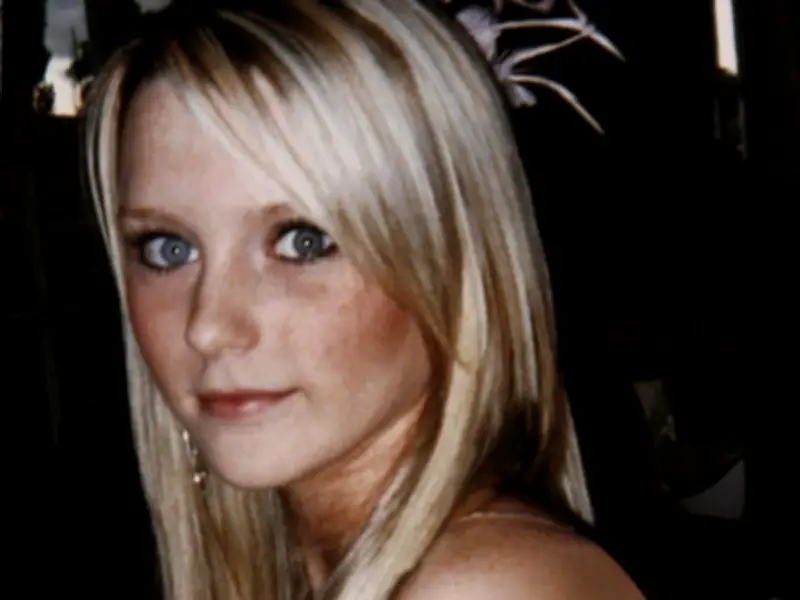
Detective Sergeant Jason Grafham retained images of Sally Anne Bowman, who was found dead in Croydon in 2005, for 'no policing reason', the tribunal heard. The photos depicted the 18-year-old naked in a pool of blood after she was attacked by serial rapist and murderer Mark Dixie.
Grafham was found guilty of gross misconduct on 17 July 2026 after a hearing at Palestra House in south London ruled he had 'compounded' the 'emotional harm and grief' suffered by Sally's family by showing the crime scene images to colleagues.
No Policing Purpose
The tribunal determined there was 'no policing purpose' to keep or show the images. Grafham, who retired from the force one day before the tribunal started, was permanently barred from serving in the police. He was also found guilty of gross misconduct for a series of sexually inappropriate and discriminatory or derogatory remarks.
Chairman of the tribunal, Commander Paul Trevers, stated that Grafham – who did not attend any part of the hearing – would have been dismissed had he not already retired. The former officer will not have his pension docked as he has not been convicted of a criminal offence.
Commander Trevers said: 'The panel finds that former DS Jason Grafham retained papers and photographs (of the Sally Anne Bowman case) when there was no policing reason to do so. He showed photographs to other officers when there was no policing purpose to do so. (He) admitted possessing and showing the photographs but maintained that was for policing purposes. The panel does not accept this explanation.'
'Displaying (the photos) without any policing purpose was profoundly inappropriate and failed to treat the victim with dignity. Even after 20 years, the emotional harm, grief and disruption to (the Bowman family’s) lives remains significant and the officer’s actions compounded this.'
Commander Trevers added that this was 'wholly inconsistent with locally recognised practice' and had 'significant potential to undermine confidence in policing standards'.
Discovery of Photos and Witness Testimony
Photocopies of images from the scene of the rape and murder were discovered after a search of Grafham’s desk in December 2024, the hearing was told. One witness, known as Miss B, said she thought Grafham had kept the photographs for 'entertainment and bragging purposes'. She said she found it 'highly inappropriate' and 'disturbing' when she saw him show the crime scene images to a colleague.
Another witness, known as Miss C, said that Grafham’s frequent referral to his work on the Sally Anne Bowman case had become a 'running joke' in the office.
Defence and Separate Misconduct
In his defence, Grafham’s representative Mark Scrutton claimed he had kept the photographs for 'policing purposes'. He said Grafham was 'incredibly proud' of his role as an exhibits officer in the case that led to the conviction of Dixie, who was jailed for life with a minimum term of 34 years in 2008.
Separately, Grafham was accused of making five sexually inappropriate remarks to colleagues, and three discriminatory or derogatory remarks between March and December 2024. The tribunal heard that on the balance of probabilities, all sexually inappropriate remarks and all but one discriminatory or derogatory comment were proven after four colleagues gave evidence.
Met Police Response
Speaking after the tribunal, Detective Chief Superintendent Angela Craggs, who leads central specialist crime command at the Met, said: 'The actions of former DS Grafham were despicable, incomprehensible and deeply disrespectful. I am profoundly sorry to the family and loved ones of Sally Anne Bowman for the additional pain and distress caused to them by what he did.'
'Grafham’s comments to colleagues were also incredibly offensive and inappropriate. There is no place in the organisation for those who think such behaviour and language is acceptable. We are all appalled by his conduct and grateful to colleagues who had the confidence to come forward and report their concerns, which we were able to swiftly act on.'