Judge to Hear Arguments in Bid for New Trial in Laken Riley Murder Case
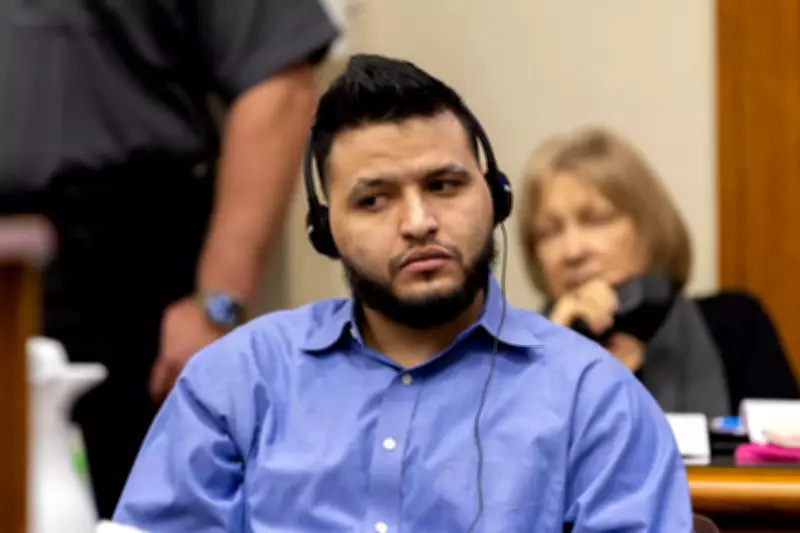
The Venezuelan man convicted of murdering Georgia nursing student Laken Riley is set to appear in court on Friday, where a judge will hear arguments on his request for a new trial. Jose Ibarra, 28, was found guilty in November 2024 of murder and other charges related to Riley's death nine months earlier, a case that intensified national debates on immigration policy.
Background of the Case and Immigration Context
Ibarra had entered the United States illegally in 2022 and was permitted to remain while pursuing his immigration case. Riley's killing in February 2024 heightened tensions across the country, influencing legislative action. The first bill signed by President Donald Trump upon taking office last year, known as the Laken Riley Act, was directly inspired by the tragedy. This legislation mandates the detention of individuals who are in the country without authorisation and are accused of theft or violent crimes.
Details of the Crime and Legal Proceedings
Prosecutors stated that Ibarra encountered Riley while she was running on the University of Georgia campus in Athens on February 22, 2024, and killed her during a struggle. Riley was a student at the Augusta University College of Nursing, which maintains a campus in Athens, approximately 70 miles east of Atlanta.

Following his conviction, Ibarra's trial attorneys filed a motion for a new trial within weeks. New legal representatives have since taken over his case and submitted an amended motion earlier this month. Under Georgia law, filing such a motion effectively extends the deadline for an appeal, which must typically be lodged within 30 days of a conviction becoming final.
Defence Arguments and Constitutional Claims
Ibarra's lawyers contend that his constitutional rights were violated on multiple fronts. They argue that the judge improperly denied a request to delay the trial, which would have allowed the defence to have an expert review key evidence. Additionally, they challenge the admission of cellphone evidence that the defence sought to exclude.
Before the trial, defence attorneys asked the judge not to permit evidence from the search of two cellphones believed to belong to Ibarra, asserting that the search warrants were invalid due to a lack of probable cause. Judge H. Patrick Haggard of the Clarke County Superior Court, who presided over the case after Ibarra waived his right to a jury trial, rejected these arguments.
The defence also sought to exclude evidence and expert testimony based on TrueAllele Casework software, used for DNA analysis. When an expert indicated she needed six weeks to review the data and complete a report, the defence requested a postponement of a hearing scheduled shortly before the trial. However, the judge proceeded with the trial as originally planned.
Current Status and Implications
Friday's arguments before Judge Haggard will focus on whether Ibarra's guilty verdict and life sentence should be vacated in favour of a new trial. The outcome could have significant ramifications for the case, which has already sparked widespread discussion on immigration enforcement and judicial processes in the United States.