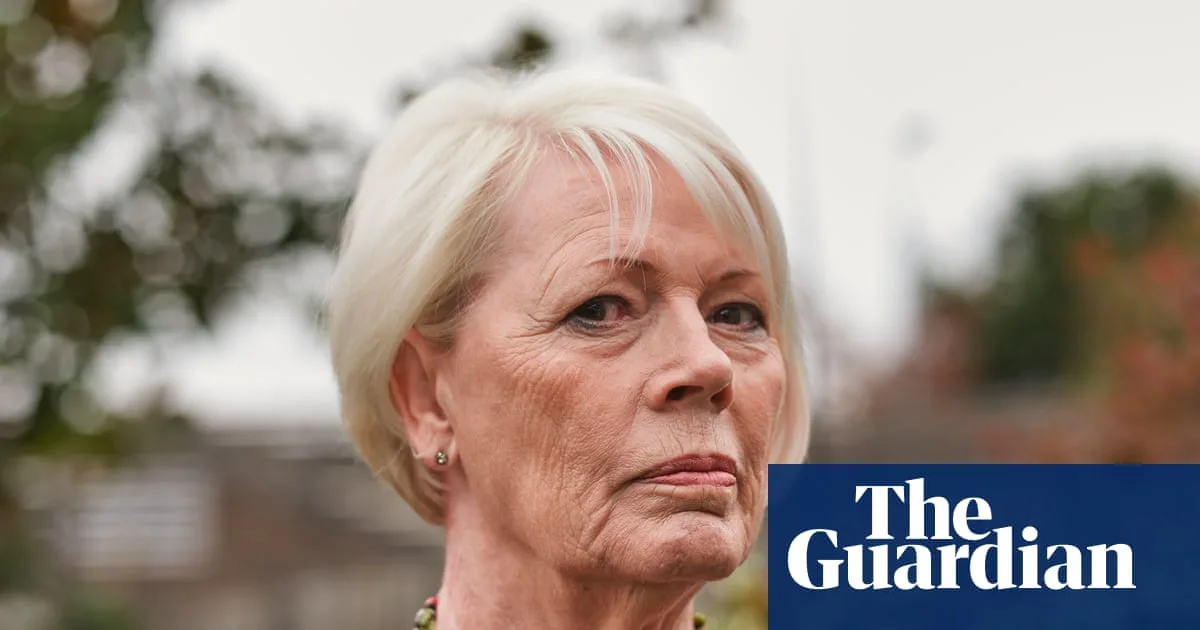
Eve Henderson vividly recalls the moment her world shattered. On a Sunday in October 1997, she stood in a Parisian hospital's neurological ward, gazing at her husband, Roderick, lying motionless in a bed. A round red mark marred his forehead, and a small tube assisted his breathing. "He looked fairly alive," Henderson says, describing herself as "a block of stone" consumed by shock. Less than twenty-four hours earlier, they had been celebrating his fifty-fourth birthday on a Seine river cruise, a joyous family gathering that turned into unimaginable tragedy.
The Night That Changed Everything
The Henderson family, including their two adult children and partners, had travelled to Paris via Eurostar for a birthday weekend. After disembarking from the bateaux-mouche on Saturday evening, the group separated. Roderick, their son Scott, and their daughter's husband Andrew ventured for a final drink. Meanwhile, Eve and the other women returned to their hotel. Hours later, Scott awoke her with devastating news: they had been attacked by a gang of youths on inline skates near the Champs-Élysées.
The assault was swift and brutal. Scott and Andrew were kicked at the knees, while Roderick suffered a punch to the throat that fractured his larynx, followed by a kick to the head as he fell. To this day, no one has been charged, and the motive remains unclear, though it is believed the gang intended robbery but fled after the violent impact. Roderick was left with a catastrophic brain bleed, fighting for his life in an unfamiliar hospital.
Navigating a Foreign Nightmare
Henderson emphasises that while the grief of losing a loved one to murder is profound, an overseas homicide compounds the agony with unique challenges. "You're a world apart," she explains. "A stranger in a strange city, floundering in the dark. You're speaking a different language, dealing with a different legal system, different policing, different everything. You just feel so hopeless and alone."
In the days following the attack, practical obstacles mounted. With their hotel rooms no longer available and limited funds, Henderson queued at the British consulate, pleading for assistance but receiving none. She faced bureaucratic hurdles, including a police officer who dismissed the incident as a civil matter, suggesting her husband had merely fallen. The lack of empathy and support left deep scars. "All of this did me damage," she reflects. "The trauma of not being helped left a mark."
Her employer, Asda, intervened by engaging a French law firm and covering repatriation costs. However, the Foreign Office withheld Roderick's personal effects until probate was granted, adding to the family's distress.
Finding Purpose Through Advocacy
Determined to seek justice, Henderson embarked on a relentless campaign. She made appeals in French newspapers, returned to Paris with a television news crew, and distributed leaflets at the attack site. Connecting with other families who had experienced similar tragedies, such as the father of Caroline Dickinson and Roger Parrish, whose daughter Joanna was murdered, provided crucial guidance and solidarity.
When Henderson contacted the UK charity Support After Murder and Manslaughter, she was referred to another family battling for justice abroad—the Harburns, whose daughter Shirine was murdered in China. Witnessing their successful advocacy, which involved MP involvement and international police cooperation, inspired Henderson to channel her grief into action.
Establishing Murdered Abroad
In 2001, Henderson co-founded Samm Abroad, which evolved into Murdered Abroad, a dedicated charity offering peer support and practical assistance to families affected by overseas homicides. The organisation addresses the stark realities these families face: approximately eighty British nationals are victims of homicide abroad each year, with many more deaths deemed suspicious.
Murdered Abroad provides tailored guidance on navigating foreign legal systems, repatriation, inquests, and financial burdens. Henderson notes that cases often span years or even decades, with families incurring average costs of £59,000, as revealed in a 2011 survey. The charity has intervened in situations where grieving parents risked losing their homes due to time spent pursuing justice.
Healing and Moving Forward
For Henderson, advocacy has been therapeutic. "It keeps me going," she admits. "I can go out there and help all these other people in practical ways." She also credits counselling with providing a vital outlet for her grief over two decades. Despite the pain, she focuses on positive milestones, such as her grandson's wedding and the arrival of great-grandchildren, Baby Violet and Daisie.
Reflecting on her journey, Henderson shares a poignant analogy from trauma specialist David Trickey: the loss creates a permanent black hole in one's life, but over time, life expands around it. "You have to pick out the good bits or you'd go under," she asserts. "I'm still here, I've got my marbles, and I'm still passionate about MA. I can't bear to think that other people are still suffering the same way I did. So I'll fight on."