
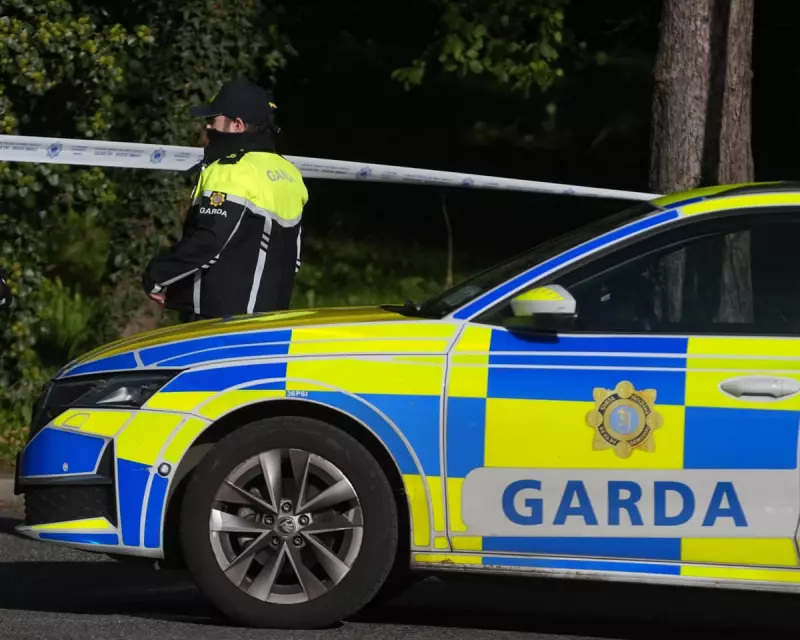
Irish authorities have formally charged two men with terrorism-related offences following an investigation into an alleged far-right terror attack plot.
The development comes after a coordinated operation by An Garda Síochána, Ireland's national police service, which led to the arrests earlier this week.
The Charges and Court Proceedings
Both defendants appeared before the Special Criminal Court in Dublin on Friday, where they faced serious terrorism charges under Irish law. The court heard details of the alleged planned attack, though specific targets and methods remain undisclosed for operational reasons.
The men, whose identities have been confirmed but are being reported with appropriate restrictions, are accused of preparing acts of terrorism with alleged far-right motivations. This case represents one of the most significant far-right terrorism investigations in recent Irish history.
Garda Investigation and Security Response
The Garda Security and Intelligence section led the operation, working in collaboration with specialist units. Investigators reportedly uncovered evidence suggesting the men were in advanced stages of planning a terrorist incident.
Security sources indicate that the alleged plot was disrupted before any attack could be carried out, with authorities acting on intelligence gathered over several weeks. The operation involved surveillance, digital evidence collection, and coordination with international partners where necessary.
Assistant Commissioner for Security and Intelligence, Paula Hilman, acknowledged the work of investigating officers but declined to comment specifically on the ongoing case.
Context and Security Implications
This case highlights growing concerns about far-right extremism in Ireland and across Europe. Security services have increasingly focused resources on monitoring far-right groups and individuals who may pose terrorism threats.
The Special Criminal Court's involvement indicates the seriousness of the charges, as this non-jury court typically handles cases involving organised crime and terrorism where ordinary courts would be inadequate.
Legal experts note that terrorism convictions in Ireland can carry sentences of up to life imprisonment, depending on the specific offences proven.
Both men have been remanded in custody pending further court appearances, with legal proceedings expected to continue over the coming months as evidence is presented and examined.
The case has prompted renewed discussions about counter-terrorism strategies and the evolving nature of extremist threats in contemporary Ireland.