In the wake of the devastating terrorist attack at Bondi beach, Sydney's Jewish community is grappling with profound grief and an intensified sense of vulnerability. The assault, which occurred during a family-oriented Hanukkah celebration, has been condemned by Prime Minister Anthony Albanese as "an act of evil antisemitism."
A Perfect Day Shattered by Violence
Rabbi Dr Benjamin Elton, chief minister at The Great Synagogue in Sydney, was returning from a wedding on what had been a beautiful December day when the news began to filter through. "I was just delighted because the wedding had gone very well," he recounted, describing his journey back to the city. His plan to reunite with his family for Hanukkah candle lighting was brutally overturned as messages about the attack flooded his phone.
The stark contrast between the idyllic summer evening and the ensuing horror has been a recurring theme. The event at Bondi was a community gathering, complete with a petting zoo, food, and live music, before it became the scene of Australia's worst act of terrorism in history. At least 15 people were killed, with victims ranging from 10 to 87 years old, and dozens more were hospitalised.

Community in Lockdown, Seeking Answers
In response to the ongoing threat, the New South Wales Jewish Board of Deputies issued security warnings, advising Jewish groups against gathering. Rabbi Elton was forced to cancel the daily morning service at the Great Synagogue, including a special Hanukkah celebration. "While it’s a victory for our enemies when we can’t gather, it’s a greater victory if people get killed because we do gather," he stated, acknowledging the difficult necessity of the precautions.
Rabbi Alon Meltzer, associate rabbi at Bondi Mizrachi Synagogue, was at the Hanukkah event in Dover Heights with his two daughters when the attack unfolded. He became separated from his children during a security lockdown and endured over three hours of anxiety before they were reunited. "They were understandably very shaken and shocked," he said.
A Call for National Solidarity Against Hate
Community leaders are now contending with how to explain the atrocity to their children and how to move forward. Rabbi Meltzer emphasised the unique security burden borne by Jewish Australians, noting no other minority community self-funds to the same level. He issued a powerful call for a national show of support, expressing hope that a million people would march to declare that antisemitism has no place in Australia.
"I would hope that as a response, a million people were willing to march around this country in support of the Jewish community," Meltzer said. "At the moment you have a community across this nation – 110,000 people – who are wondering whether we belong and whether we have a safe future here."
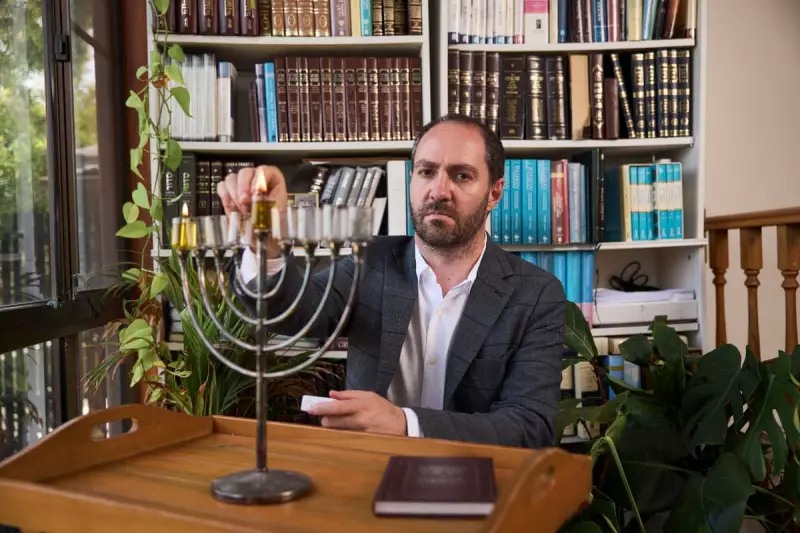
Despite the fear, the rituals of faith and resilience continue. On the night of the attack, Rabbi Meltzer's family still lit their Hanukkah candles. "We’re not going to let this alter what we do and how we do things," he affirmed. "We’re very proud Jews, my daughters are very proud Jews and we will continue to be so." As Sydney mourns, its Jewish community stands at a crossroads, seeking safety, answers, and a definitive stance from the nation against hatred.