In a decisive response to the recent terror attacks at Bondi Junction, the New South Wales government has announced a sweeping package of legislative reforms aimed at bolstering public safety and closing security loopholes. Premier Chris Minns outlined urgent changes to gun laws and new restrictions on protests, marking a significant shift in the state's approach to counter-terrorism and public order.
Urgent Firearms Overhaul and New Protest Powers
The centrepiece of the government's response is a major reform of New South Wales' firearm regulations. Premier Minns confirmed that the state would move to harmonise its gun laws with the national framework, a long-discussed measure now being fast-tracked. This alignment is intended to prevent individuals who are barred from owning firearms in one jurisdiction from exploiting differences to acquire them in another.
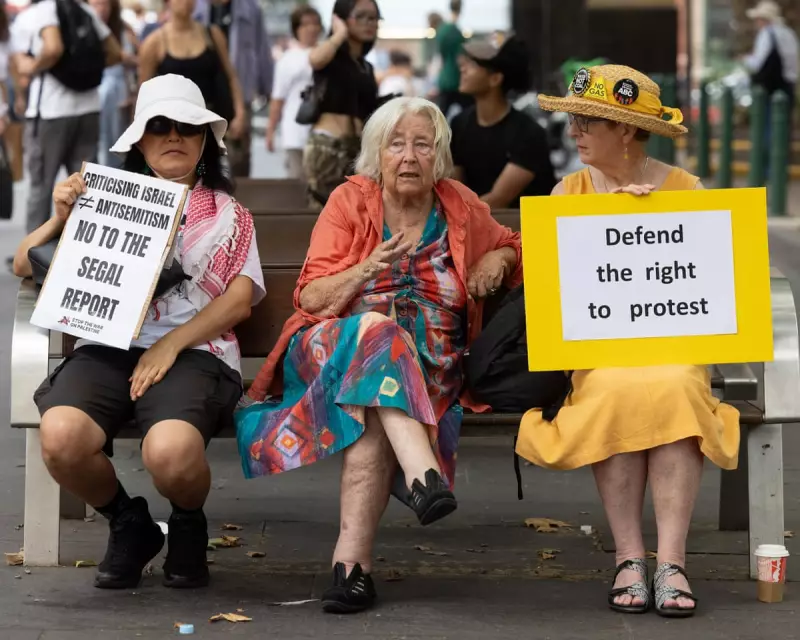
Concurrently, the government will introduce legislation granting police enhanced powers to manage protests and large gatherings. The new laws will allow authorities to prohibit protests deemed to pose a significant risk to public safety or critical infrastructure. This move follows heightened concerns about the potential for disruptive demonstrations to strain security resources or create vulnerable targets.

Political Consensus and Scrutiny
The proposed changes have received a measure of bipartisan support, with NSW Opposition Leader Mark Speakman indicating the Coalition would back the firearms reform. However, the path for the protest legislation appears less certain, suggesting potential parliamentary debate. Federal figures have also weighed in, with Opposition Leader Sussan Ley criticising the Albanese government's broader national security stance, while Prime Minister Anthony Albanese defended existing federal measures and cooperation with states.
The reforms are being positioned as a direct and necessary consequence of the Bondi attacks. Premier Minns emphasised that the existing legal framework had been "found wanting" in the face of the threat, necessitating immediate action. The government's strategy focuses on both hardening physical security through gun control and enhancing the tactical flexibility of law enforcement to prevent and respond to complex threats.
A Long-Term Security Recalibration
Beyond the immediate legislative announcements, the Bondi attacks have triggered a fundamental reassessment of security preparedness in urban centres. The incident has intensified discussions about the protection of "soft targets" like shopping precincts and the coordination between state and federal intelligence and law enforcement agencies.
The NSW government's package signals a shift towards a more proactive and preventative security posture. By tightening firearm access and expanding police authority to control public assemblies, authorities aim to disrupt potential attack planning cycles and reduce opportunities for violence. The coming weeks will see the details of the legislation scrutinised as the state seeks to balance enhanced security with civil liberties in a new threat environment.