The spectre of Islamic State violence has violently re-entered the Australian consciousness after years without a major incident. The nation was shaken on December 14 when a mass shooting at Sydney's iconic Bondi Beach left 15 innocent people dead and dozens more wounded during the first night of Hanukkah.
Attack Details and ISIS Links
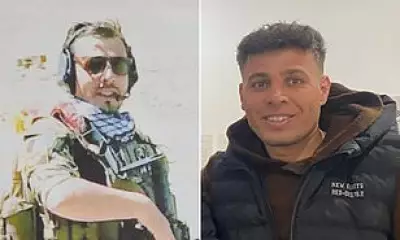
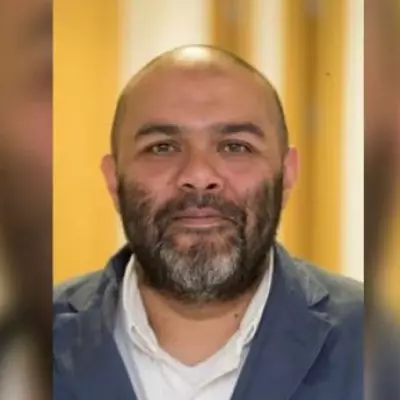
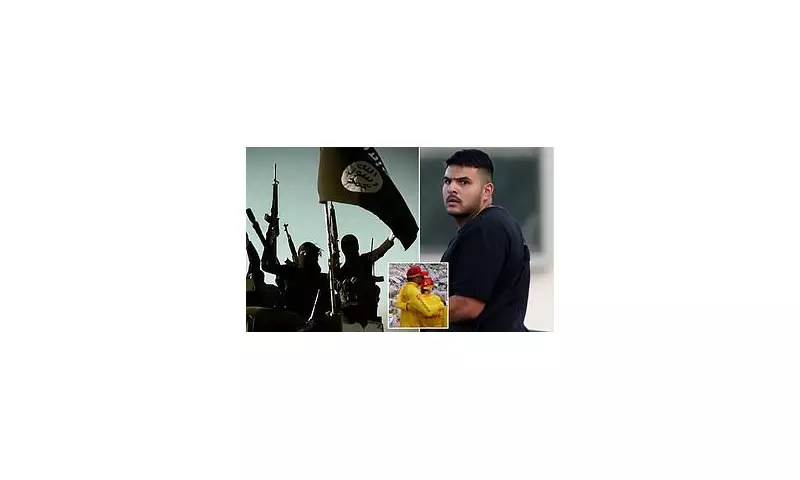
Authorities have declared the incident a terror attack and will allege that two Islamic State flags were found at the scene. The alleged gunmen, father and son duo Sajid Akram, 50, and Naveed Akram, 24, were both shot at the scene, with the father killed by police. A propaganda video was later recovered during a raid on a property they had rented.
Detectives are investigating whether the pair engaged in IS military training during a four-week trip to the Philippines in November, where they stayed on the island of Mindanao, a region with a long history of Islamist insurgency. While Islamic State has not formally claimed responsibility, it has expressed pride in the attack.

Experts Warn of a Dormant, Not Defeated, Threat
Associate Professor Josh Roose, a Deakin University expert on violent extremism, states that Islamic State 'never really went away'. He told media that while it was militarily defeated in 2017-2018, its core ideology remained. 'The threat never really went away. In fact, it has been heightened,' he said, citing the context of the October 7 attack, the Gaza conflict, and societal divisions.
Professor Adrian Cherney from The University of Queensland echoed this, noting IS continues to exert global influence and maintain a strong online presence, inspiring attacks worldwide. The last major IS-implicated attack in Australia was the 2014 Lindt Cafe siege in Sydney, though the perpetrator was later deemed a lone actor with no direct IS links.
Profile of the Suspects and Recruitment Tactics
Sajid Akram was an Indian national who migrated to Australia in 1998. His son, Naveed, was born and raised in Australia. Professor Roose explained that the Salafi-Jihadist ideology is not linked to ethnicity but to extremist beliefs promoting a global caliphate. He noted that second and third-generation individuals in the West are often more susceptible, feeling experiences of racism or ostracism more deeply.
Recruitment often happens face-to-face in community settings before moving to encrypted apps. The internet plays a key role, especially for lone actors who become radicalised online. The attack's targeting of a Jewish event is also significant. 'Radical Sunni Islam promotes hatred of Jews as a prominent narrative,' Associate Professor Roose said, adding the current climate has heightened such tensions.
Should the Public Alter Their Plans?
In the wake of the attack, experts advise vigilance but not paralysis. Professor Cherney urged people to continue with normal activities, noting increased security for major events like New Year's Eve. 'Curtailing our movements is not the solution,' he said, though acknowledged public apprehension.
Associate Professor Roose stressed the importance of heeding official advice and authorities implementing clear safety measures. While the risk of copycat attacks exists, he emphasised the need for the government to communicate effectively to reassure the public. Meanwhile, Sydney's community has begun mourning, with tributes like paddle-outs held for the victims.