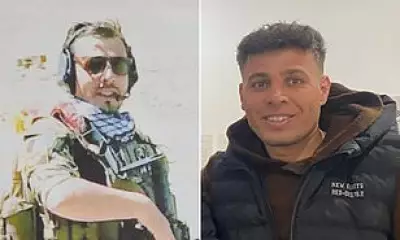
Newly released court documents allege that the father and son accused of a deadly shooting at a Hanukkah celebration on Bondi Beach had previously travelled to a known ISIS hotspot in the Philippines for military-style training.
The Alleged Journey to a Terror Hub
Sajid and Naveed Akram are accused of travelling to Davao City in the southern Philippine province of Mindanao between 1 and 28 November. They reportedly stayed for four weeks in a small twin room at the GV Hotel, located in a district known for massage parlours and bars frequented by Western sex tourists. Hotel staff stated the pair rarely left their room, except for brief one-hour outings.
This region has, for years, served as a breeding ground for foreign recruits linked to terror groups associated with Islamic State. Hidden jungle compounds are used to radicalise newcomers, bombarding them with hours of extremist sermons designed to brainwash them into believing they are soldiers in a global war. Recruits are often contacted via encrypted messages or underground study circles, promised brotherhood and purpose, only to be trained for combat.

A Historic Link to Global Atrocities
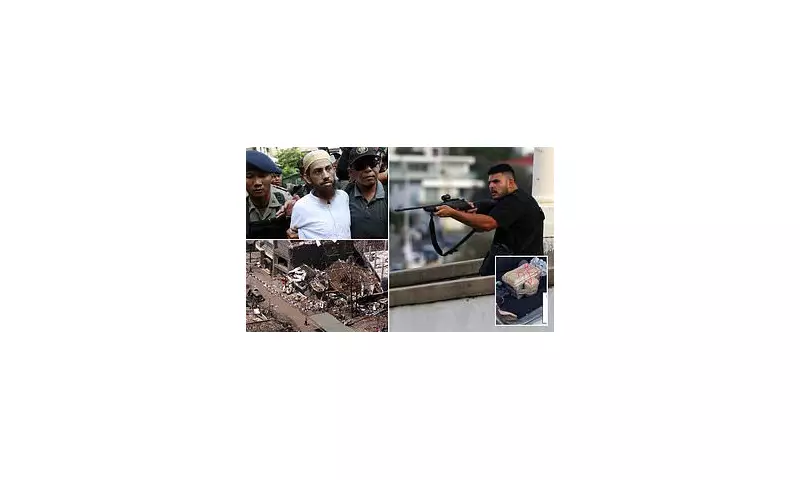
The remote islands of Mindanao have connections to some of the world's most notorious extremists. Following the 2002 Bali bombings, which killed 202 people including 88 Australians, two of the bombers—Azahari Husin and Noordin Mohammad Top—fled to the Philippines. There, they continued instructing new recruits in assembling deadly explosives.
Similarly, Indonesian bomb experts Umar Patek and Dulmatin escaped to the southern Philippines after the Bali atrocity to avoid arrest and train local militants. Patek was later jailed in 2012 for the murders and released in 2022, while Dulmatin is believed to have been killed in 2010.
Former recruits from these camps have described being shown graphic propaganda celebrating mass murder and suicide attacks, and being taught to fire automatic weapons and build crude bombs from everyday hardware store items.
The Bondi Beach Attack and Investigation
The alleged training trip has become central to the investigation into the Bondi Beach massacre, which occurred just weeks after the Akrams returned from the Philippines. On 14 December, at around 6:50 pm, the pair are accused of parking their vehicle on Campbell Parade, placing Islamic State flags on the windscreens.
Police allege they then took three firearms and several improvised explosive devices, including three pipe bombs and a tennis ball bomb, before walking towards a footbridge near the Hanukkah celebration. They allegedly threw four explosive devices towards the crowd; the bombs did not detonate but were later deemed viable by authorities. Fifteen people were shot dead in the attack.
With interim suppression orders now lifted, detectives are tracking the pair's credit card use and local SIM card data to pinpoint their exact movements in the Philippines. It has been suggested they may have used Davao as an entry point to reach other areas like Cagayan de Oro and Marawi—a city considered a no-go zone for tourists due to ongoing militant conflict.
Conflicting Claims and Ongoing Scrutiny
While the Philippine government insists active terror camps are no longer operational in the region, experts urge caution. Dr Ian Wilson, a lecturer in politics and security studies at Murdoch University, stated, "From the material available, we know they went to the Southern Philippines which has historically been a site of conflict for a whole range of extremist groups for decades... You do not go to Mindanao for the sake of it."
Philippine authorities have publicly rejected claims the pair undertook terror training, with the armed forces stating there is no evidence they trained with militants. However, the alleged connection to a region with a decades-long history of nurturing extremists continues to raise profound questions about the motives and preparation behind one of Australia's most shocking recent attacks.