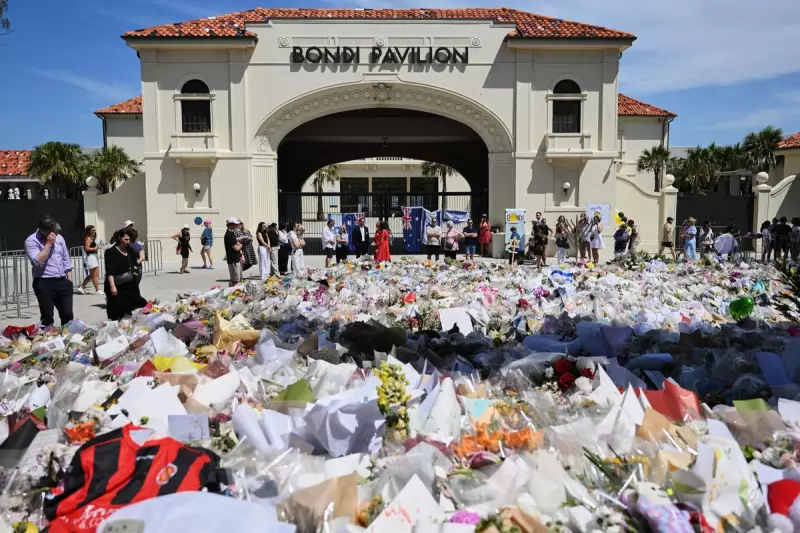
Australia's Prime Minister, Anthony Albanese, has announced a sweeping national investigation into antisemitism, a direct response to the devastating mass shooting at Bondi Beach last year. The attack, which occurred during a Hanukkah celebration, resulted in the deaths of 15 people.
Scope and Leadership of the Royal Commission
The inquiry will be conducted as a royal commission, the highest form of independent public investigation in Australia. It will be led by the esteemed former High Court judge Virginia Bell. Announcing the move in Canberra, Albanese stated the commission would scrutinise the general nature, prevalence, and causes of antisemitism in the country, alongside the specific circumstances of the Bondi atrocity.
Its remit includes producing recommendations for law enforcement agencies, strategies to bolster social cohesion, and measures to counter the spread of violent extremism. The commission is required to deliver its final report by 14 December 2026, marking one year since the attack.

A Response to National Tragedy and Pressure
Albanese described the Bondi incident as "an antisemitic terrorist attack, aimed at Jewish Australians, inspired by ISIS" and the deadliest of its kind ever to occur on Australian soil. The announcement follows sustained and growing calls from across the political spectrum, Jewish community leaders, and prominent public figures for a federal-level royal commission, rather than a more limited state inquiry for New South Wales.
While the Prime Minister had initially expressed concerns that such a broad inquiry might be too lengthy, he rejected the suggestion he had been pressured into the decision. "I have listened," Albanese told reporters. "In a democracy that's a good thing."
Legal and Security Reforms in Pipeline
The royal commission will also absorb a separate investigation already launched into the nation's security and law enforcement agencies following the shooting. In tandem, the government plans a legislative agenda in response to the attack.
This agenda is set to include tightening Australia's already strict gun control laws and creating new offences to criminalise the rhetoric of so-called hate preachers, which authorities say often falls short of the current threshold for prosecution.
Regarding the attack's suspects, the surviving alleged perpetrator, 24-year-old Naveed Akram, faces dozens of criminal charges including murder and terrorism offences. He has not yet entered a plea. His father, Sajid Akram, was shot and killed by police during the incident.