Exclusive new data has revealed that more than 100 prisoners handed so-called 'life' sentences in Scotland have been released since 2021, with some serving as little as a decade behind bars. The figures have ignited a fierce political row and raised serious concerns about public safety and justice for victims.
Shocking Scale of Early Releases
According to statistics obtained from the Parole Board for Scotland (PBS), 106 lifers have been freed from the country's prisons since the 2021/22 period. The pace of releases has been stark, with dangerous offenders – predominantly murderers – being let out at an average rate of one every 11 days during one recent 12-month period.
The data for 2023/24 shows that 34 life sentence prisoners were released. Among them, one was freed after serving between 10 and 11 years, another after 11-12 years, two after 12-13 years, and the remaining 30 had been incarcerated for 'over 14' years. Since 2021, four individuals have been released after serving sentences of just 11 to 12 years.

Case Studies That Have Sparked Outrage
These statistics are embodied by high-profile cases that have caused public dismay. John Wilson, 36, was jailed for life in 2009 for the murder of 17-year-old Michelle Stewart in Drongan, Ayrshire. He was given a minimum punishment part of only 12 years and was freed on parole in January 2025.
In another instance, a killer who murdered his friend in a brutal attack in Dumfries in April 2013 was initially given a punishment part of nine years and nine months. This was later increased to 14-and-a-half years after a Crown Office appeal. The perpetrator, Darrin Callander, died in prison in October 2021 while serving his life term.
Political Backlash and Calls for Reform
The revelations have fuelled demands for the introduction of whole-life tariffs, which ensure the worst offenders are never released, a measure used in courts in England and Wales but so far ruled out by the Scottish Government. The figures also emerge amid a separate SNP initiative to grant early release to hundreds of criminals to alleviate prison overcrowding.
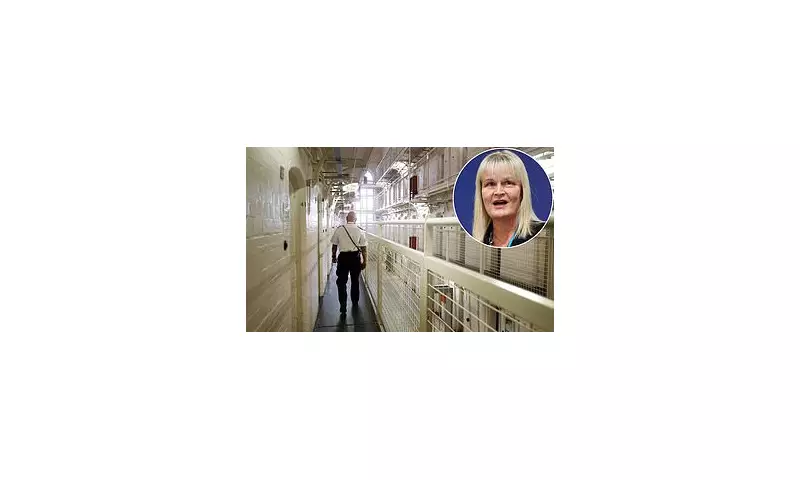
Scottish Tory victims spokesman Sharon Dowey stated: ‘These stark figures make a mockery of life sentences and are a betrayal of victims. The public will be dismayed that those who have committed crimes so serious they warrant a life sentence are being released after only a decade. It’s simply common sense that life should mean life.’
Debbie Adams of Victim Support Scotland noted the complexity, explaining that Scotland does not have whole-life sentences. Release decisions are based on risk assessment, and freed lifers remain on licence for life, subject to recall if conditions are breached.
How the Parole System Operates
The current system was shaped by European laws in 2001, requiring judges to set a 'punishment part' – the minimum time to be served before parole eligibility. Once this period ends, Scottish ministers must refer the case to the independent Parole Board for Scotland. The Board can only authorise release if satisfied the prisoner no longer poses a threat to public safety.
A PBS spokesman emphasised: ‘A life sentence prisoner remains on licence for the rest of their life and their case can be referred back to the Board at any time... for consideration as to whether they should be recalled to custody.’
In response, the Scottish Government highlighted recent victim-centred reforms, including a dedicated victims' team and the right for victims to make representations. A spokesman stated: ‘The average length of punishment parts of life sentences is at its highest level since records began, at 20.5 years in 2023-24.’
Despite this upward trend, the release of prisoners after relatively short periods continues to provoke debate about the true meaning of a 'life' sentence and the balance between rehabilitation and retribution in the Scottish justice system.