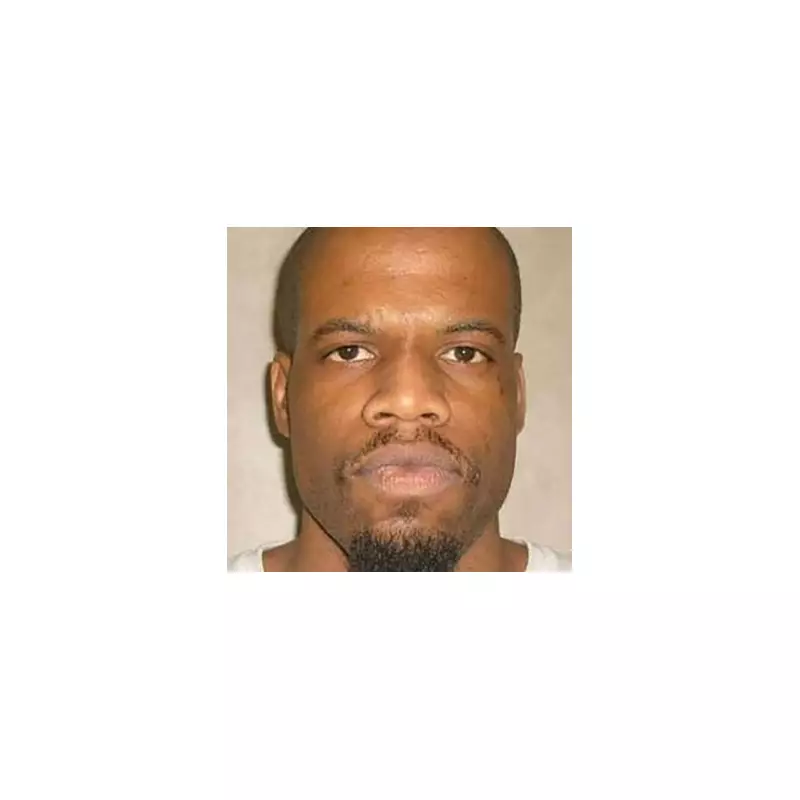
A death row inmate in the United States suffered a horrifically botched execution that lasted nearly three-quarters of an hour, leaving him in visible distress and the death chamber splattered with blood.
A Grisly and Prolonged Death
Clayton Lockett, 38, was executed at the Oklahoma State Penitentiary on 29 April 2014, having been convicted for the 1999 murder, rape and kidnapping of 19-year-old Stephanie Neiman. Lockett shot Neiman and watched as accomplices buried her alive after she and a friend interrupted a robbery.
The procedure went catastrophically wrong from the outset. The execution team struggled for over 50 minutes to find a viable vein, resulting in dozens of needle punctures in Lockett's arms, legs, and neck. They eventually established an intravenous line in his groin, but a doctor mistakenly hit an artery.

This error caused blood to spray onto staff and, according to reports, turned the chamber into a "bloody mess". A paramedic present recalled the moment, stating: "I remember saying 'You've got the artery. We've got blood everywhere.'"
Witnesses Describe a Scene of Torture
After the lethal injection drugs were administered, Lockett did not lose consciousness peacefully. Witnesses, including journalists and his own lawyer, described him writhing on the gurney, lifting his head and shoulders, and groaning audibly.
Local reporter Courtney Francisco told the BBC that Lockett was muttering "as if he was trying to talk". Approximately 16 minutes into the process, prison officials were forced to lower blinds to block the view from the witness room as the situation spiralled out of control. It took a total of 43 minutes for Lockett to be pronounced dead.
His solicitor, David Autry, bluntly summarised the event: "It was a horrible thing to witness. This was totally botched." Madeline Cohen, an attorney for another inmate, who witnessed the execution, asserted Lockett had been "tortured to death".
National Reckoning and Immediate Fallout
The botched execution triggered immediate political and legal repercussions. Then-Oklahoma Governor Mary Fallin ordered an independent review and imposed a temporary moratorium on executions in the state while procedures were investigated.
The incident ignited a fierce national debate about the drugs used in lethal injections, particularly the sedative midazolam employed in Lockett's case, and whether it reliably induces unconsciousness. Critics argued that inadequate staff training and excessive secrecy surrounding execution protocols were fundamental causes of the disaster, not solely the drug cocktail.
The scheduled execution of Lockett's cellmate, Charles Warner, which was set for the same chamber just two hours later, was postponed. It was eventually carried out in January 2015. In the aftermath, Warner's lawyer demanded full transparency, stating: "The state must disclose complete information about the drugs, including their purity, efficacy, source and the results of any testing."