
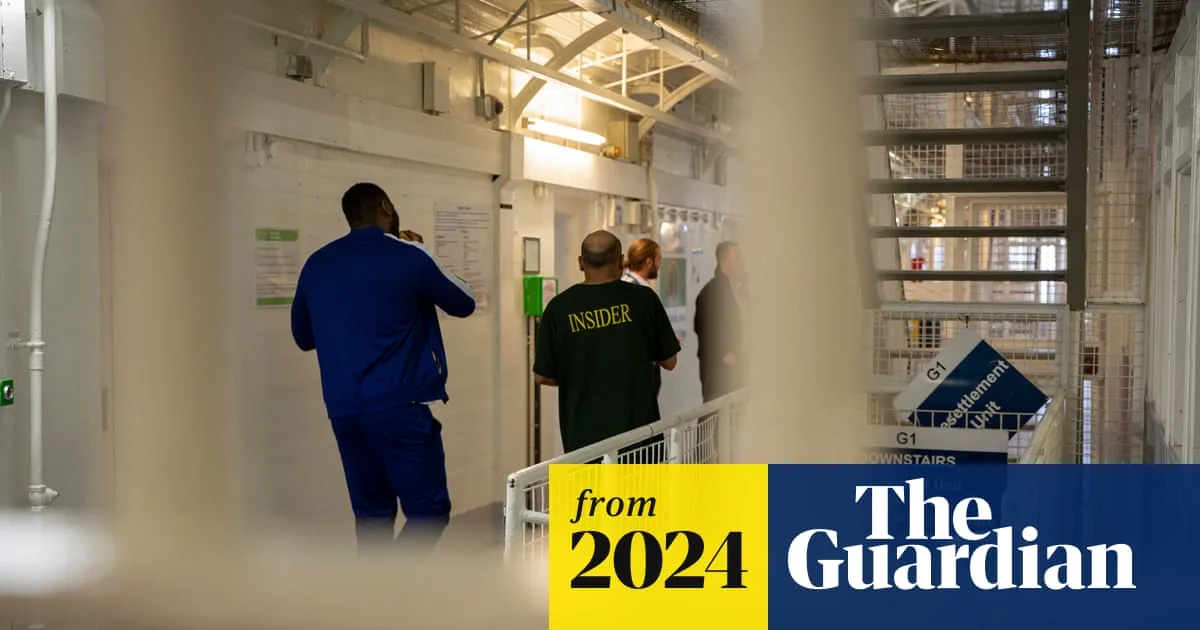
A UN torture expert has criticised changes to the imprisonment for public protection (IPP) scheme in England and Wales, saying they do not go far enough and reiterating her call for prisoners jailed under the indefinite sentencing regime to be granted release dates.
The changes, announced by the government in November, will allow IPP prisoners to apply to the Parole Board to have their sentence terminated three years after release, rather than the current 10 years. Even if rejected, the sentence will automatically expire after a further two years if not recalled.
However, Alice Jill Edwards, the special rapporteur on torture, said many would not benefit from the “modest” changes. “These are welcome and should help to end rapidly the sentences of approximately 1,800 IPP prisoners who have already been released into the community. But the reforms do not tackle the cases of nearly 1,250 prisoners who remain detained indefinitely,” she said.
Edwards cited examples including Wayne Bell, who has served 16 years on a two-year minimum tariff for punching someone and stealing their bike, and Aaron Graham, who has served 18 years on a three-year tariff for grievous bodily harm. She noted at least 86 suicides by IPP prisoners since the sentences were introduced in 2005, calling the regime “inhuman treatment”.
Edwards said the government’s reply to her August letter was disappointing, and that its own statistics showed limited impact. Former lord chancellor Ken Clarke described the IPP scheme as “a major disgrace to the British justice system” and called for “something drastic” to address the injustice.
A Ministry of Justice spokesperson said the number of IPP prisoners had been reduced by three-quarters since the sentence was scrapped in 2012, and that they continue to help those in custody progress towards release.




