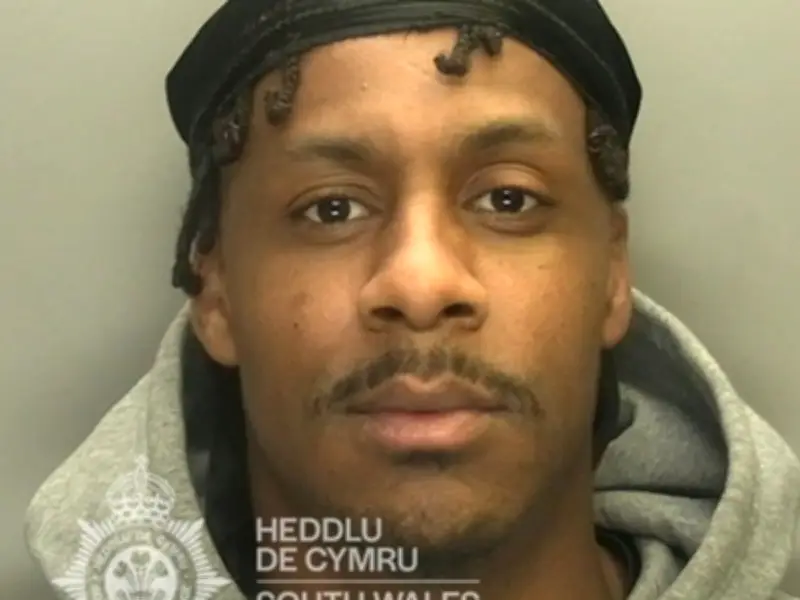
Tariq Francis, 29, was sentenced to two years and nine months in prison at Cardiff Crown Court on July 16, 2026, after pleading guilty to possession with intent to supply class A drugs. Police discovered him in possession of 12.968g of crack cocaine, valued between £1,400 and £1,680, along with £930 in cash and a mobile phone containing messages consistent with drug supply.
Arrest at homeless shelter
On February 13, 2026, police visited Francis at a Salvation Army hostel in Cardiff to arrest him on suspicion of breaching a restraining order. During the arrest, a blue ziplock bag fell from his pocket. The bag contained white rock-like substances, later identified as crack cocaine.
Prosecutor Tabitha Walker told the court that the drugs weighed 12.968g in total. The seized cash and phone were also presented as evidence. Francis, of Bute Street, Butetown, initially came to police attention due to the alleged breach of a restraining order.
Motivation and mitigation
In mitigation, defence barrister Josh Scouller said Francis had fallen into debt while unemployed, despite having gained qualifications in the railway industry. He described his client's decision to start drug dealing as a "stupid mistake" to make "quick cash" and alleviate financial stress. Mr Scouller added that Francis "enormously" regretted his offending, particularly because he now faced a prison sentence.
Sentencing remarks
Recorder Robin Rouch, in sentencing, stated there was no realistic prospect of rehabilitation in Francis's case and noted the absence of strong mitigation. He imposed a total sentence of two years and nine months imprisonment. The court did not provide details on the restraining order breach.
Impact and context
This case highlights the link between unemployment, debt, and drug dealing. According to the prosecution, the crack cocaine Francis possessed could have been sold in multiple street deals, contributing to the ongoing drug trade in Cardiff. The Salvation Army hostel where he was staying provides temporary accommodation for homeless individuals, underscoring the socioeconomic challenges faced by some defendants.