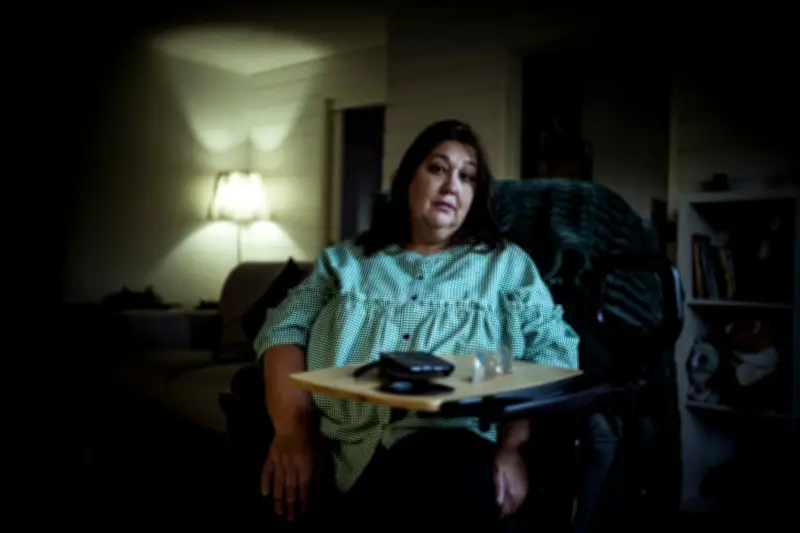
Jeannie-Marie Blake, a key whistleblower in Australia's robodebt scandal, has filed a federal court lawsuit against the Australian government, alleging she was threatened before giving evidence to the royal commission. She claims she was warned that her testimony "could cost you your job." The government denies the allegations.
Background of the Whistleblower
Blake, a compliance officer at Services Australia's Mornington office in Victoria, was on the frontline during the rollout of the robodebt scheme. She was involved in the initial pilot and served on the compliance team during its disastrous implementation from 2016. Blake has previously spoken of being haunted by the voices of those who pleaded for help, stating the trauma left her suicidal and battling alcoholism.
In court documents, Blake says she repeatedly blew the whistle about the scheme's unfairness and harm during monthly team meetings, with team leaders, and to senior executives. She alleges she was told to resign if she did not want to administer the scheme.
Alleged Threats Before the Royal Commission
Blake alleges that in 2023, she informed her department of her intention to give voluntary evidence to the royal commission. The head of compliance allegedly responded: "You better make sure you cross your T’s and dot your I’s because this could cost you your job if you’re not telling the truth." He also allegedly said: "The only people giving evidence are the people that have been subpoenaed. You should get legal advice before giving evidence." The government has denied these threats in its court defence.
Blake's Crucial Testimony
Blake's evidence to the royal commission in February 2023 was crucial. She was the only current Services Australia employee to testify voluntarily and became emotional when speaking about the scheme's impact on victims and staff. She revealed that senior Centrelink officials were repeatedly warned about the scheme's dangers. "We were speaking about the incorrectness from the start until the end," she said.
After her testimony, Blake alleges her work was subjected to significantly higher quality-checking rates. When she asked why, a superior allegedly said: "I don’t know, I’ve just been told to." She also claims she was suddenly denied flexibility to start shifts within a 15-minute window, a common practice in her team.
Post-Testimony Allegations
In July 2023, just before the royal commission's findings, Blake—on extended leave—received a call from a senior department manager. She was allegedly told: "If you’ve breached the code of conduct, you could be given an official warning, fined, suspended or dismissed."
Blake also alleges she was warned about a mug sold by an online retailer featuring her face and words from her testimony: "I will remember and I will not forget." She had no involvement with the mug, but superiors told her not to bring it into the office to avoid offending others. The department admitted this warning but said it was to ensure a safe work environment under the Work Health and Safety Act 2011.
Government's Defence
The government denies Blake's claims. In its defence, it says Blake did not raise concerns internally during team meetings or at all. It denies issuing threats, stating the pre-testimony call encouraged her to listen to legal advice and suggested contacting a support team for witnesses. The post-testimony call used standard talking points for employees who gave evidence, which noted: "We do expect that some employees, based on findings from the Royal Commission, will be referred for Code of Conduct consideration under the Public Service Act 1999."
The government also argues that Blake's evidence is not protected under the Fair Work Act or whistleblower protection laws, a stance that could have broader implications.
Legal and Whistleblower Implications
Blake argues she was protected by the Fair Work Act in making disclosures to the royal commission. However, the department contends her evidence does not qualify for protection. The Human Rights Law Centre, representing Blake, warns this exposes a gap in current law. "Public servants must be able to blow the whistle to royal commissions and inquiries without fear of retaliation," said Kieran Pender, associate legal director. "We have repeatedly called on the Albanese government to enact stronger whistleblower protections, including for royal commission participants."