Bruce Lehrmann Launches Final Legal Bid to Appeal Defamation Ruling
Lehrmann's last-ditch appeal against defamation finding

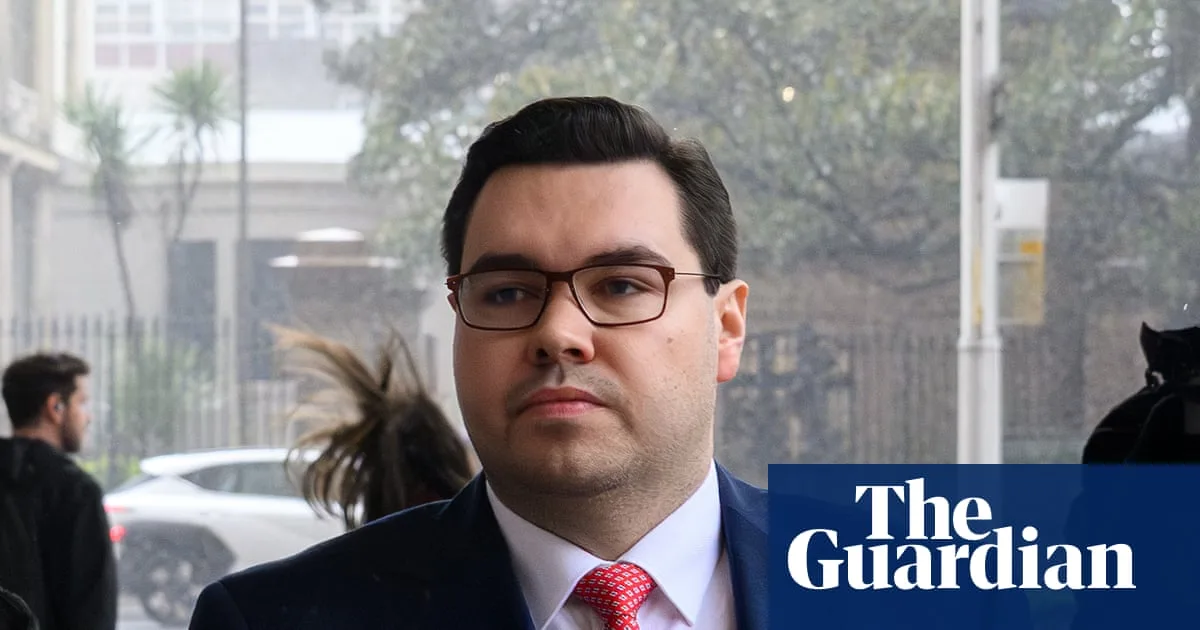
Bruce Lehrmann, the former political staffer at the centre of a high-profile rape allegation, has initiated a final, urgent legal manoeuvre to challenge a landmark court finding. This last-ditch effort aims to appeal a Federal Court judgment which concluded, on the balance of probabilities, that he raped his colleague Brittany Higgins in Parliament House in 2019.

The Core of the Final Appeal

Lehrmann's legal team lodged an application for special leave to appeal directly to the High Court of Australia. This procedural step is necessary as the window for a standard appeal to the full bench of the Federal Court has formally closed. The move represents his final legal avenue to contest the devastating findings made by Justice Michael Lee.

In April 2024, Justice Lee delivered a comprehensive verdict in Lehrmann's defamation case against Network Ten and journalist Lisa Wilkinson. While the judge found the broadcast did defame Lehrmann, he ultimately ruled in the media defendants' favour. This decision was based on a successful defence of truth, with Justice Lee concluding it was substantially true that Lehrmann raped Brittany Higgins in the office of then-defence industry minister Linda Reynolds on the night of 23 March 2019.

Scrutiny of the Judge's Reasoning

The forthcoming appeal is expected to focus intensely on the legal reasoning employed by Justice Lee. Lehrmann's barrister, Matthew Richardson SC, indicated the challenge would centre on whether the judge erred in his application of legal principles concerning the defence of truth in defamation law. The appeal does not constitute a re-run of the evidence but a technical examination of the trial judge's legal process.

This final bid follows a series of major legal setbacks for Lehrmann. His initial criminal trial in the ACT Supreme Court was aborted due to juror misconduct and a subsequent retrial was abandoned altogether owing to concerns for Brittany Higgins's mental health. Prosecutors then dropped the charges, leaving no criminal conviction. The defamation trial, heard by a single judge, thus became the definitive forum where the allegations were tested to the civil standard of proof.

Broader Implications and Next Steps

The outcome of this final appeal holds significant consequences for all parties. For Lehrmann, it is the last opportunity to overturn a formal judicial finding of rape. For Network Ten and Lisa Wilkinson, it seeks to affirm their legal victory and the public interest in their reporting. For Brittany Higgins, it perpetuates a prolonged legal chapter stemming from the traumatic event.

The High Court will now consider whether to grant Lehrmann special leave to appeal. This is a discretionary step and is not automatically granted; the court must be persuaded that the case involves a question of law of public importance or a significant injustice. If leave is refused, the findings of Justice Lee will stand unchallenged. If leave is granted, the High Court will then hear the substantive appeal, potentially setting a major precedent in Australian defamation jurisprudence.

This urgent application marks the latest twist in a saga that has captivated the nation, sparked nationwide protests about the treatment of women in politics, and prompted several independent inquiries into political workplace culture.