Former Suspect in Etan Patz Disappearance Dies at 82
Jose Antonio Ramos, a man who was investigated for decades in connection with the infamous 1979 disappearance of New York first grader Etan Patz, has died at the age of 82. Authorities confirmed his death this week, marking the end of a controversial figure's involvement in one of America's most haunting missing child cases.
Death Confirmed in Court Filing
Prosecutors noted in a recent court filing that Ramos died on March 7 at Bellevue Hospital in Manhattan. The filing pertains to the case of Pedro Hernandez, who is now facing a third trial for the murder of Etan Patz. Ramos had long been a suspect before Hernandez was charged, though he consistently denied any involvement and was never criminally charged in the disappearance.
The case of Etan Patz, who vanished while walking to his school bus stop in Manhattan on May 25, 1979, became a national symbol for missing children. His photo was among the first to appear on milk cartons, and the anniversary of his disappearance is observed as National Missing Children's Day.

A Complicated History and Lingering Questions
Ramos spent most of his adult life imprisoned in Pennsylvania on convictions including the sexual assault of a child. His history became intertwined with the Patz investigation through nearly half a century of probes, trials, and a wrongful death lawsuit filed against him by Etan's parents.
Despite never being charged, two jailhouse informants claimed Ramos made incriminating statements about Etan, and a former federal prosecutor said Ramos once claimed to be "90 percent sure" he had taken the boy from Washington Square Park. However, during sworn questioning in 2003, Ramos insisted he had never encountered Etan and had "nothing to hide."
Life After Prison and Final Years
After completing his sentence in the Pennsylvania sexual assault case in 2012, Ramos was immediately rearrested for violating sex offender registration rules. He was convicted and sentenced to an additional six to 20 years, though a court later ruled he wasn't subject to the registration law, leading to his release in May 2020.
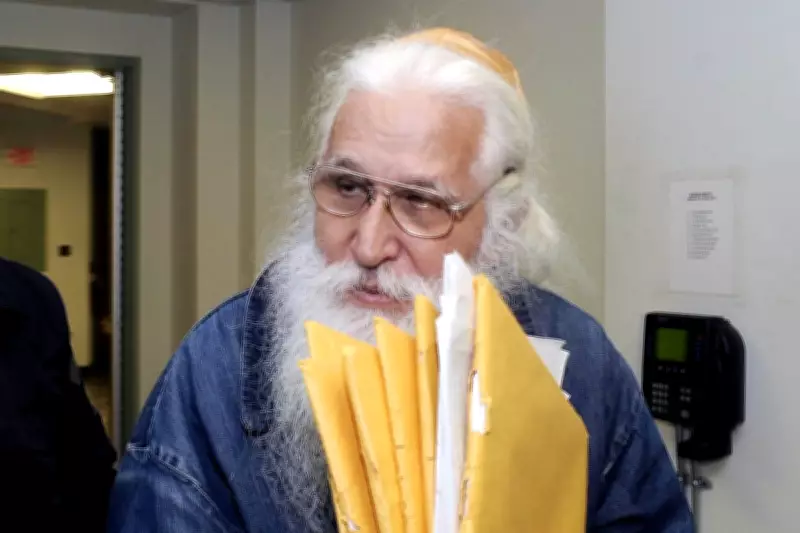
In his final years, Ramos lived in New York, selling scavenged items on the street to get by. He was estranged from his family and listed Rabbi Howard Cohen, a former prison chaplain, as his emergency contact. Cohen described Ramos's situation as "pretty bleak," noting he fielded calls from hospitals about Ramos's care after a cancer diagnosis.
Ramos had settled near Washington Square Park before his death. Cohen recalled a poignant incident where someone in Florida bought a violin from a stranger—believed to be Ramos—and found the rabbi's card tucked inside, illustrating Ramos's transient lifestyle.
Impact on Ongoing Legal Proceedings
With Ramos's death, any possibility of him answering further questions about Etan Patz has vanished. His refusal to testify at Hernandez's trials had been a point of contention. Hernandez's defense has aimed to suggest Ramos was the real culprit, and his lawyers state that Ramos's death does not change their plans for the upcoming third trial.
Etan's father, Stan Patz, who for years sent Ramos letters asking, "What did you do to my little boy?", eventually became convinced of Hernandez's guilt. The family's wrongful death lawsuit against Ramos was scrapped after Hernandez's first trial.
Ramos's passing closes a complex chapter in a case that continues to captivate and horrify, reminding the nation of the enduring pain of a missing child and the elusive search for truth.