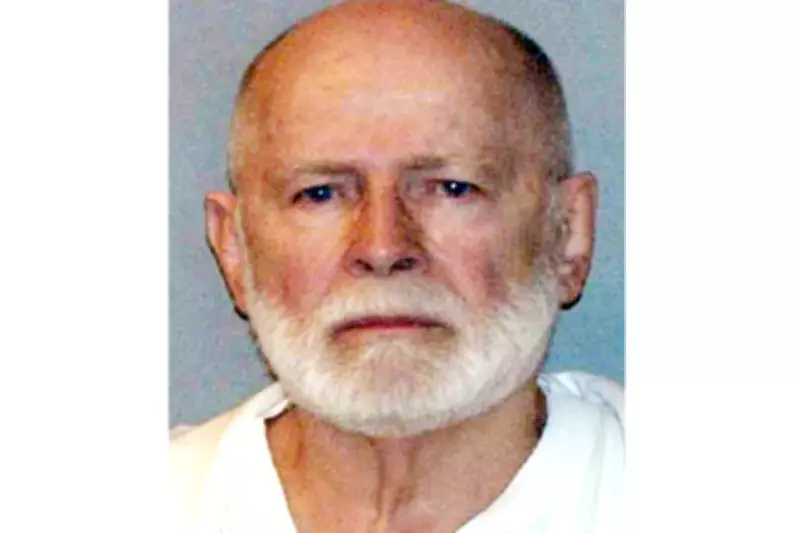
Whitey Bulger Manuscript Claims FBI Agent Was Framed in Murder Case
Attorneys representing former FBI agent John Connolly have submitted a new legal motion aiming to overturn his murder conviction, citing recently disclosed evidence linked to notorious mobster James "Whitey" Bulger. The motion, filed in Miami-Dade Circuit Court, draws upon a handwritten manuscript and FBI reports that were allegedly withheld by prosecutors for years.
New Evidence from Bulger's Writings
In the unfinished manuscript seized by the FBI after Bulger's 2011 arrest, the late crime boss asserted that Connolly did not leak information used in the 1982 killing of businessman John Callahan in Miami. This directly contradicts the prosecution's case against Connolly, who was convicted of second-degree murder and racketeering in Florida.
According to the filing, Bulger identified another FBI agent, John Morris, as his actual mole within the bureau. Bulger described Connolly as a "sacrificial lamb" who took the blame for information that actually came from Morris. The manuscript includes Bulger's admission that "I never thought the day would come that I'd be writing a story about my criminal activity," and details how he used inside tips to evade law enforcement.
Prosecutorial Misconduct Allegations
Connolly's legal team accuses prosecutors of a pattern of misconduct, arguing they violated constitutional requirements by withholding evidence favorable to the defense. The material came to light after a longtime prosecutor involved in Connolly's case resigned from the Miami-Dade state attorney's office following reports of misconduct that included granting favors to witnesses and coordinating testimony.
In 2024, Connolly's attorneys received a letter from Miami-Dade Chief Assistant State Attorney Jose Arrojo informing them that a sealed envelope labeled "confidential" contained the Bulger manuscript and his statements to the FBI. These documents had not been previously disclosed to the defense.
Background of the Case
John Connolly, now 85 years old, was a special agent with the FBI in Boston in July 1982 when mob hitman John Martorano shot Callahan in the back of the head and left his body in the trunk of a car at Miami International Airport. Connolly was indicted on first-degree murder charges 21 years later.
Prosecutors had claimed Bulger and Stephen Flemmi ordered Callahan's killing after Connolly told them the FBI was investigating Callahan's ties to Bulger's Winter Hill Gang for the 1981 killing of Roger Wheeler, who owned World Jai Alai.
Bulger's Allegations Against Morris
In his writings and post-arrest FBI statements, Bulger claimed Connolly was framed by John Morris, who served as Connolly's FBI supervisor. "I am sure everyone close to me thought all the information I had came from (Connolly)," Bulger wrote. "I didn't discourage that thought — sadly for Connolly, he took the heat for warning me to take off and other things that had come from (Morris)."
Bulger accused Morris of becoming a "star witness" against Connolly to save himself. Morris testified against Connolly as part of a cooperation agreement that granted him immunity from prosecution.
Legal Implications and Recent Developments
While courts have previously found that some evidence in Connolly's case was improperly withheld, they ruled it was not material enough to overturn the conviction. Connolly's attorneys now argue the newly surfaced material goes further, creating reasonable doubt about his guilt.
Connolly had been serving a 40-year sentence before being granted compassionate release in 2021 after a judge cited his terminal illness and the risks of COVID-19. His legal team claims Bulger was writing the manuscript specifically to help clear Connolly's name.
Bulger's Notorious History
James "Whitey" Bulger, who inspired Jack Nicholson's character in the 2006 Martin Scorsese film "The Departed," led Boston's Winter Hill Gang while simultaneously serving as an FBI informant against the Mafia — a claim he consistently denied. He fled in 1994 after being tipped off about an impending indictment and was captured in 2011.
Convicted of 11 killings and other crimes and sentenced to life imprisonment, Bulger was beaten to death in prison in 2018. His manuscript now forms the basis of what could become a significant posthumous legal challenge to one of the most controversial convictions in FBI history.