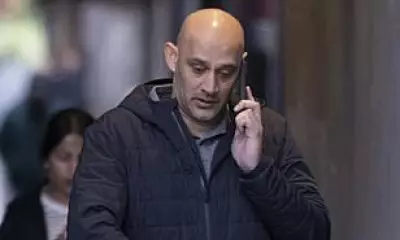
A Massachusetts jury has found Brian Walshe guilty of first-degree murder in the brutal killing and dismemberment of his wife, Ana Walshe, who vanished from their family home on New Year's Day 2023.
The Chilling Disappearance and Grisly Evidence
Ana Walshe, a 39-year-old successful real estate professional and mother of three, was reported missing from the couple's home in Cohasset after failing to arrive for work in Washington D.C. Prosecutors built a case alleging that her husband, Brian, then 50, murdered her in their home before dismembering her body and disposing of the remains across multiple rubbish dumpsters.
The state's argument centred on a marriage in crisis. They told the court that Walshe was motivated by financial desperation, seeking a $1 million life insurance payout, and by anger over an alleged affair his wife was having with a man out of state. At the time of Ana's disappearance, Brian Walshe was already awaiting sentencing for selling counterfeit Andy Warhol paintings.

A Damning Digital Trail and the Defence's Claim
Prosecutors presented a compelling digital footprint. On January 1, 2023, Brian Walshe's internet search history included queries for 'best way to dispose of a body' and 'how long for someone to be missing to inherit.' This evidence was pivotal in establishing premeditation, a key component of the first-degree murder charge.
In a surprising move, the defence rested its case without calling any witnesses to the stand. Their argument, presented during closing statements, claimed Walshe had discovered Ana dead in their bed from a sudden, unexplained cause. They alleged he panicked and disposed of her body in a misguided attempt to avoid blame, fearing his prior legal troubles would make him a suspect.
Verdict and Aftermath
After approximately six hours of deliberation, the jury of six men and six women returned their verdict on Monday, convicting Brian Walshe of first-degree murder. He stood emotionless as the decision was read. Prior to the trial, he had pleaded guilty to two lesser charges: misleading police and unlawfully moving a human body. He had continued to deny the murder charge.
Judge Diane Freniere had instructed the jury they could consider the lesser charge of second-degree murder, but they ultimately agreed with the prosecution that the killing was premeditated. Ana Walshe's remains have never been recovered. The conviction brings a conclusion to a case that horrified the local community and captured national attention, though it offers little solace for the family of the victim.