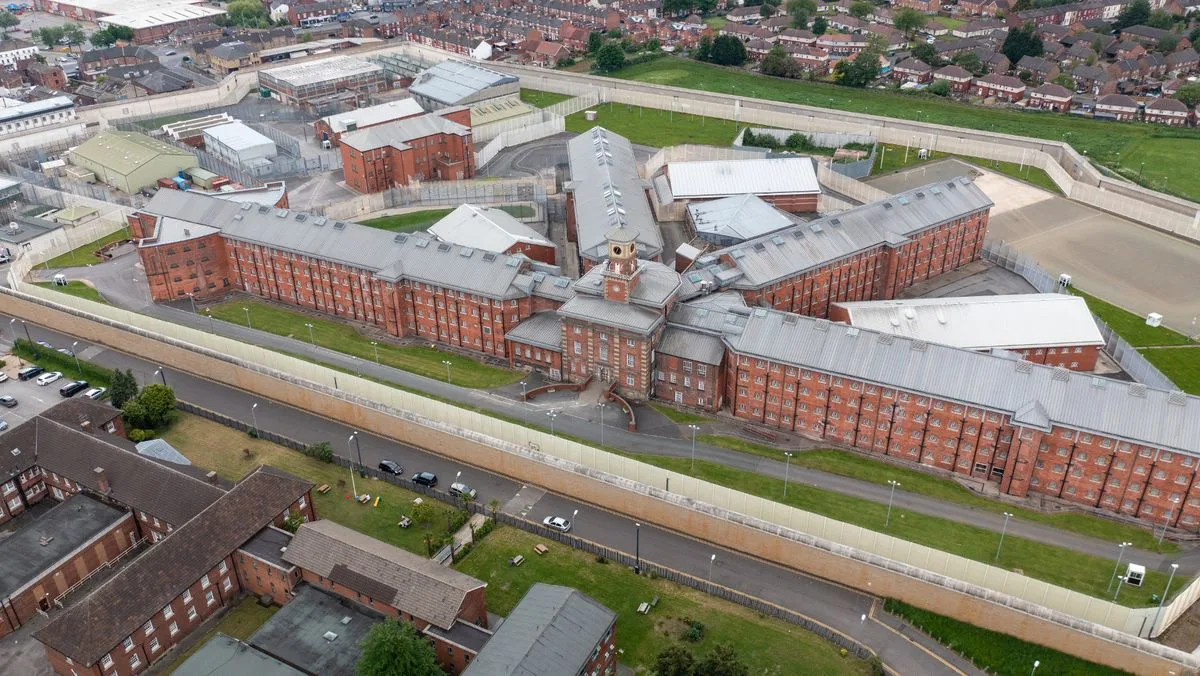
Monster Mansion Prisoners Protest Delayed £300 Birthday Parcel Deliveries
Inmates at the notorious Wakefield prison, infamously nicknamed Monster Mansion, are expressing significant discontent over persistent delays in the delivery of their £300 birthday parcels. An official report into the West Yorkshire facility, which has housed notorious criminals like Ian Huntley, Harold Shipman, and Charlie Bronson in the past, underscores ongoing grievances related to the prison's incentives scheme.
Current High-Profile Inmates and Scheme Details
The prison currently incarcerates some of Britain's most dangerous offenders, including:
- Roy Whiting, the killer of Sarah Payne
- Mark Bridger, who murdered five-year-old April Jones
- Reynhard Siniga, a prolific rapist
These inmates, among others, are eligible for the birthday parcel initiative, which was introduced two years ago as a behavioural incentive for long-term prisoners. The parcels, funded by family members and loved ones, allow inmates to receive up to £300 worth of clothing annually around their birthday, contingent on their status within the incentives framework.
Independent Monitoring Board Report Findings
The Independent Monitoring Board has raised concerns in its latest assessment, stating: "We remain concerned that prisoners do not receive ‘in possession’ property from reception in a timely manner." The report acknowledges that the scheme has become very popular among prisoners since its inception in October 2024, but highlights systemic issues.
Key points from the report include:
- Procedures for handling prisoner property and volumetric control were clarified in November 2024 to improve management.
- Systems for transferring property between prisons within a 28-day window have been enhanced, reducing some complaints.
- However, property-related issues remain the second most complained-about topic in the prison, with grievances increasing from 423 last year to 501 in the current reporting period.
Broader Context of Prisoner Compensation and Security Measures
This controversy unfolds against a backdrop of recent legal victories for inmates. In January, it was revealed that convicted killers and terrorists secured taxpayer-funded compensation and legal costs, estimated at one million pounds, for being held in solitary confinement. Notable cases include:
- Fuad Awale, a double killer, receiving £7,500 in compensation plus £234,000 in legal costs.
- Denny De Silva, sentenced to 27 years for murder, granted £255,000 in legal costs.
- Triple killer Kevan Thakrar also winning damages.
Claire Lewis, a former prison officer attacked by Thakrar, criticised these awards, calling the situation "outrageous" given the severity of the crimes involved.
Prison Service Response and Security Protocols
A Prison Service spokesperson emphasised that all items received by prisoners are paid for by family members and must be purchased from approved suppliers. They stated: "As with all mail, these go through mandatory security checks before being issued to prisoners." Under the scheme, families cannot send clothes directly; instead, they must order from authorised vendors, with all parcels subjected to rigorous searching requirements to ensure safety and compliance.
The ongoing delays and complaints highlight the challenges in balancing incentive programmes with operational efficiency in high-security prisons, as authorities strive to manage property logistics while maintaining strict security standards.






