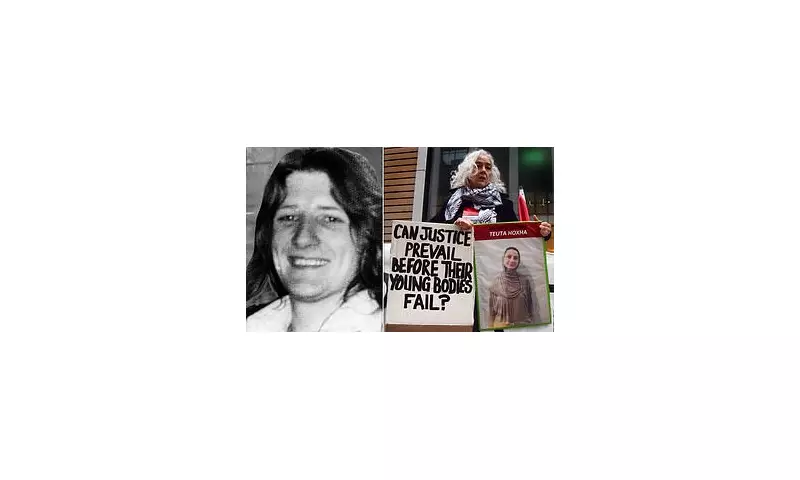
A new and deeply concerning hunger strike in British prisons is drawing direct parallels with one of the most tragic episodes of the Troubles, as a pro-Palestine activist has now refused food for longer than IRA martyr Bobby Sands.
The New 'Martyrs': A Hunger Strike Echoing History
On Belfast's Falls Road, the mural of Bobby Sands holds a near-sacred status for Irish Republicans. The image of the 27-year-old, who died in the Maze prison in 1981 after 66 days without food, is a potent symbol of sacrifice. Today, a new generation of activists, fired by opposition to Israel, appears intent on creating fresh martyrs for their cause through the same extreme method.
Three individuals, calling themselves Prisoners For Palestine (PFP), are currently starving themselves in UK prisons. The most critical is Heba Muraisi, a 31-year-old lifeguard and florist from Barnet, north London. As of this week, she has consumed no food for 69 days, three days longer than Sands's fatal fast. An unnamed PFP spokesman states she is struggling to breathe and suffering muscle spasms, indicating potential neurological damage.

Demands, Deterioration, and a Political Standoff
Muraisi, who is originally from Yemen and has family in Rafah, Gaza, faces charges connected to an alleged break-in at the Bristol site of Israeli military tech company Elbit Systems in August 2024. She denies the charges. Alongside co-strikers Kamran Ahmed, 28, and Lewie Chiaramello, 22, her demands include immediate bail, the shutdown of Elbit's UK sites, and the lifting of the ban on the proscribed group Palestine Action.
Her physical decline is severe. Having started her strike in November weighing 9st 2lb, she was down to approximately 7st 11lb by January 5 and is now reportedly unable to sit. "I am deteriorating in this cell, I am dying," she told the Metro newspaper this week, describing dizziness, nausea, and difficulty breathing.
Medical experts warn of the irreversible point of no return. Former prison doctor Anthony Daniels explains that after 50-70 days, the body feeds on itself, leading to organ failure. "When they have lost 50 per cent of their weight, damage has become permanent and death usually occurs," he said. The strikers consume only water and homemade electrolyte solutions.
A Game of 'Chicken' the Government Cannot Afford to Lose
The political response has been firm. When questioned by former Labour leader Jeremy Corbyn at PMQs, Sir Keir Starmer stated the government was following "rules and procedures." This stance echoes that of Margaret Thatcher during the 1981 IRA hunger strikes, viewing such actions as emotional blackmail that cannot be seen to succeed.
Prisons minister Lord Timpson notes there are roughly 200 hunger strikes in British jails annually. Granting concessions to any would risk losing control. Kevin Blowe of the Network for Police Monitoring (Netpol) framed it as "a game of chicken, who blinks first." The strikers' supporters, he suggested, are testing whether the new Labour government can be pressured into a climbdown.
Notably, those publicly backing the strikers—including lawyers, activists, and even Muraisi's mother, Dunya, in a written letter—have not urged them to eat. The World Medical Association deems force-feeding unethical, leaving prison authorities only able to offer hospital treatment and pleas to eat.
Of an initial eight prisoners on strike, five have now resumed eating. A fourth, Teuta Hoxha, ended her 58-day fast this week. The remaining three, however, continue their protest. As their health fails, the grim prospect looms that the hard-Left, which venerates Sands as a martyr, may soon have new ones of its own.