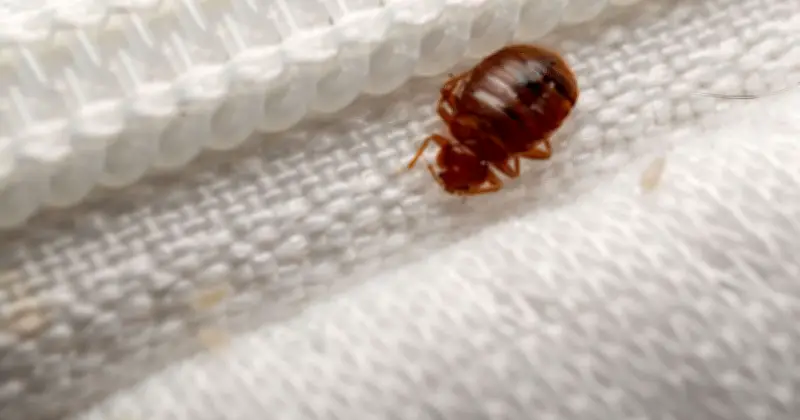
Bedbug infestations have forced prison cells to close, with nearly 3,800 places across England and Wales remaining out of use, intensifying pressure on the overcrowded prison system. The Ministry of Justice (MoJ) has disclosed that cells are being taken out of service for various reasons, including insect infestations, damp, mould, asbestos, toxic gas, and lengthy fire safety repairs.
The closures come as thousands of offenders are being released early to ease pressure on jails struggling to accommodate the prison population.
HMP Wayland affected by bedbugs
Two prison places at HMP Wayland, near Thetford in Norfolk, were out of use because of bedbugs as of October 19, according to figures disclosed by prisons minister Catherine McKinnell in a written parliamentary answer to shadow justice secretary Nick Timothy. The closure comes three months after the jail experienced an outbreak of the blood-sucking parasites during the summer.
In July, a recently released prisoner told Inside Time, the newspaper for prisoners, that he had been “detained in a cell infested by bedbugs”.
The Prison Service said at the time that there had been a “limited outbreak of bedbugs, which affected four cells and was dealt with quickly and appropriately”. Specialist teams were also called in to tackle an infestation at HMP Holme House in Stockton-on-Tees, where at least three cells were reportedly affected.
Wider maintenance problems
Bedbugs can be notoriously difficult to eradicate because they hide in small spaces, reproduce rapidly, and can develop resistance to pesticides. They can also survive for months without feeding, allowing them to persist even when rooms are left empty.
The latest figures highlight the wider problems facing an ageing prison estate, with 236 places unavailable because of damp, mould, or leaks. A further 162 places were out of use because of damage caused by prisoners, including 120 at Highpoint prison near Newmarket in Suffolk following arson.
Electrical work accounted for another 66 unavailable places, while 20 cells were closed because of Legionella bacteria and 60 because of asbestos.
Fire safety delays and toxic gas
The most significant problem was the delayed fire safety improvement programme, which has left 2,255 prison cells out of use while advanced automatic alarms are installed. The project was originally due to finish in 2027 but has been pushed back to the 2030s. Another 640 places at Dartmoor prison remain unavailable after toxic radon gas, which can cause cancer, was detected at the jail.
The figures were reported by The Telegraph, which highlighted the scale of the maintenance problems confronting ministers as they attempt to address the prison capacity crisis.
Mr Timothy accused Labour of failing to make use of existing prison space, criticising years of delays to repairs and fire safety work. He said: “Labour have failed to use the prison cells they have, delaying repair work for years, failing to install new fire safety measures, and refusing to do the hard work needed to keep criminals behind bars.” He added that it was wrong for so many cells to remain unavailable while serious offenders were being released early.
An MoJ source blamed the previous Conservative government, saying ministers had inherited a prison system “at breaking point after 14 years of Tory neglect”. The source added that the Government was pursuing the biggest prison building programme since the Victorian era while addressing urgent maintenance problems.