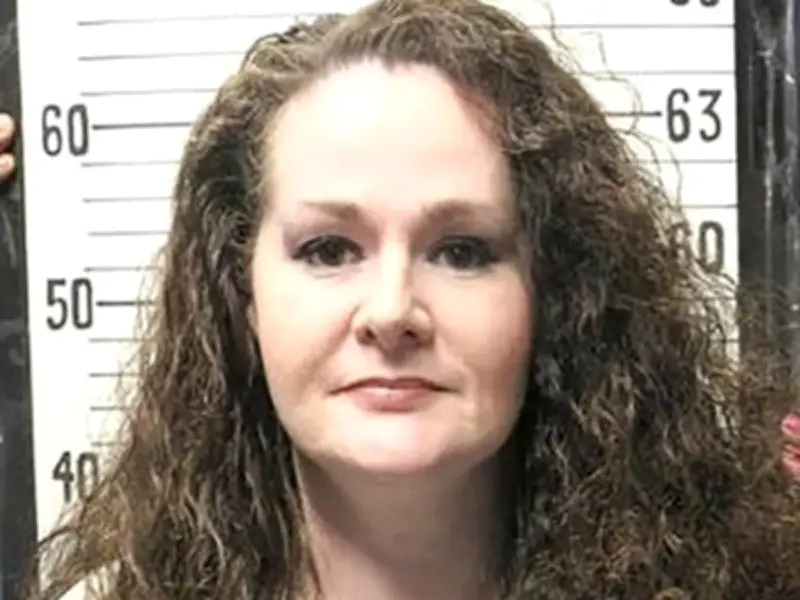
Christa Pike, a convicted murderer on Tennessee's death row, survived a botched lethal injection in which the execution team used about 10 needles and tried several IV sites on both arms, according to new court documents. The documents, filed by her attorney Randy Spivey, provide the most detailed account yet of the September 30 execution attempt.
Details of the Failed Execution Attempt
The execution team began trying to place two IVs at 6:34 pm, as required by Tennessee's protocols. When they struggled, Pike helped, advising them to look in her upper arm for a viable vein. They managed to set an IV in her right arm within about six minutes, but it took nearly an hour for the left arm.
Spivey wrote that Pike was "wincing and grimacing" as the team moved needles around inside her left arm. At 6:57 pm, one team member said a vein "might be blowing," but two others said they couldn't tell. One said, "It's either blood or blown, I need to know." The team tried again, and the needle appeared severely bent when pulled out. At 7:07 pm, a team member said, "I think it's blown." By 7:13 pm, they believed they had successfully placed an IV, and they taped her hands down and hooked her up to a heart monitor.
Pike's Condition During the Procedure
At 7:34 pm, Pike said her arm was hurting. "I feel like my arm is about to bust. It burns," she said, according to her attorney. She continued talking to her spiritual adviser for 10 minutes before making an "agitated snoring sound." Over the next 30 minutes, she strained, flinched, moved her head, and seemed to struggle to breathe.
Spivey asked to use a phone and was led on a circuitous, seven-minute route through the facility instead of being allowed to use the phone in the execution witness room. He called fellow attorneys at 8:22 pm, asking them to stop the execution because a third dose of pentobarbital isn't authorized under the state's protocol. He then told the deputy attorney general that Pike needed immediate medical care.
Aftermath and Legal Challenge
Pike, 50, was hospitalised after surviving two doses of pentobarbital. She was on a ventilator for several days, and at one point her attorneys did not expect her to survive. She ultimately regained consciousness and returned to prison after being discharged. The execution was for the 1995 stabbing death of classmate Colleen Slemmer, which Pike committed at age 18 with her boyfriend, making her one of the youngest women sentenced to death in the U.S.
State protocol calls for a second dose of pentobarbital if the first doesn't result in death, but it doesn't specify what to do if a person survives the second injection. An ambulance was seen arriving at the hospital at 9:14 pm. The failed execution has brought renewed scrutiny to Tennessee's lethal injection procedures, and the court document was part of a separate legal proceeding in which people on death row are challenging the state's methods. Kit Thomas, an attorney representing death row inmates in that case, said, "Our predictions about the likelihood of botched executions have come true — and will continue to come true — without substantial change."