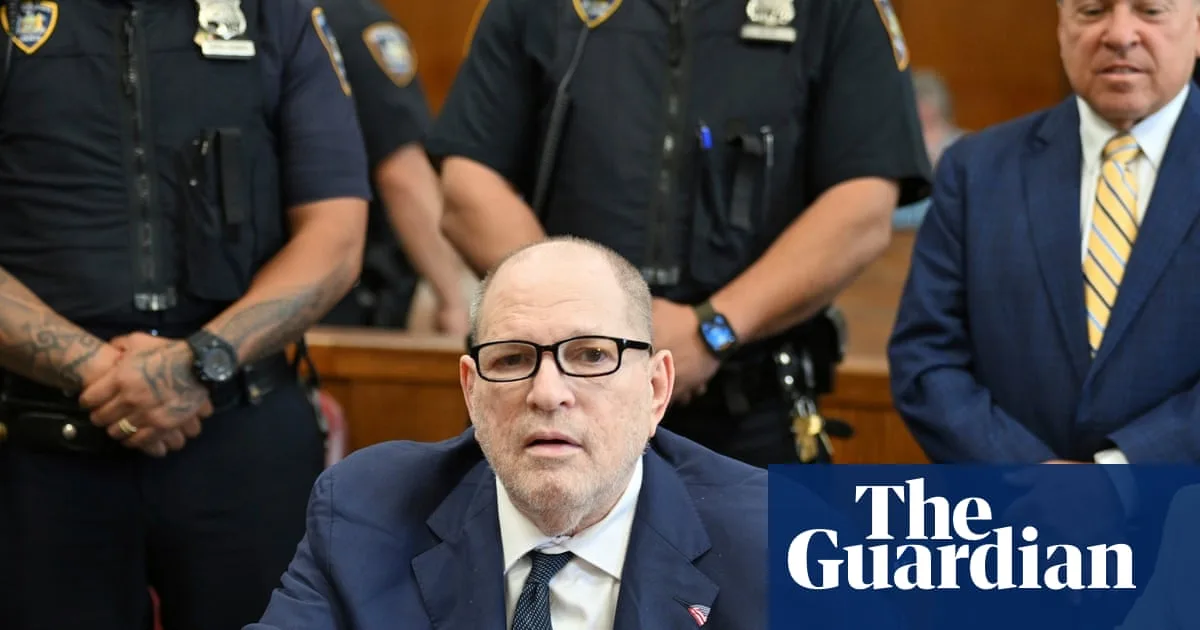
Harvey Weinstein is back in a New York courtroom on Thursday, 8 January 2026, in a dramatic bid to have his latest sex crime conviction thrown out. The former Hollywood mogul's legal team argues that intense pressure and bullying among jurors poisoned the deliberation process last spring, leading to an unfair verdict.
A Convoluted Legal Saga Continues
This hearing marks the latest twist in a seven-year legal battle that became a landmark of the #MeToo era. Weinstein's case has involved trials in two states, a conviction reversal, and a retrial in New York that concluded messily in 2025. Now 73, Weinstein denies all charges, which are part of a wave of sexual harassment and assault allegations that surfaced publicly in 2017 and fuelled the global movement against sexual misconduct.
In the New York retrial, the jury delivered a split verdict. Weinstein was convicted of forcing oral sex on one woman but acquitted of forcibly performing oral sex on another. The panel could not reach a decision on a rape charge involving a third woman, which prosecutors have vowed to retry.
Allegations of a Poisoned Jury Room
The defence's push for a mistrial centres on claims of a hostile jury environment. During deliberations, multiple jurors took the rare step of alerting Judge Curtis Farber to behind-the-scenes tensions. In exchanges partly held in open court, one juror complained of being "shunned," while the foreperson alluded to verbal pressure and improper discussions about Weinstein's past.
The situation escalated when the foreperson later refused to continue, telling the judge he felt pressured to change his vote and feared for his safety after a fellow juror said he would "see me outside." Judge Farber reminded the panel of the secrecy of deliberations but denied the defence's requests for a mistrial.
In sworn statements obtained after the trial, two jurors claimed they did not believe Weinstein was guilty but capitulated due to other jurors' "verbal aggression." One juror said she was so afraid after being insulted and threatened with removal that she called relatives and "told them to come look for me if they didn't hear from me."
Prosecution Defence and Next Steps
Prosecutors counter that the judge handled "scattered instances of contentious interactions" appropriately. They argue that jurors' later sworn statements are contradicted by their own post-trial comments to the media, where one simply described "high tension." They also noted that discussions of Weinstein's past were not entirely off-limits, as trial testimony included 2017 media reports about decades of allegations.
Weinstein's attorneys are asking Judge Farber to either discard the conviction outright or order a hearing to examine the jury strains. The judge's ruling, expected on Thursday, could see the conviction set aside, a hearing ordered, or the verdict left to stand. Any decision is likely to be appealed.
Meanwhile, prosecutors stand ready to retry Weinstein on the unresolved rape charge. Separately, the convicted former producer is also appealing a separate rape conviction in Los Angeles while currently being held in New York.