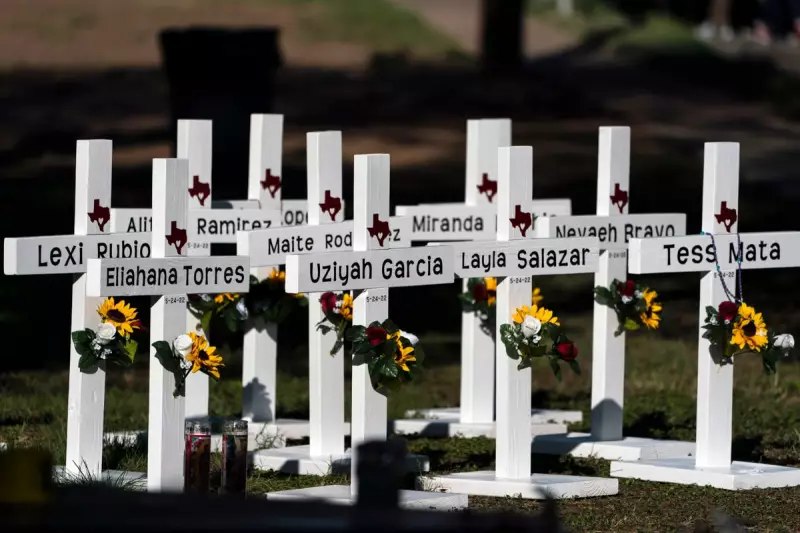
The first criminal trial stemming from the heavily criticised police response to the 2022 Robb Elementary School shooting in Uvalde, Texas, is poised to commence. This landmark case centres on former school district police officer Adrian Gonzales, who prosecutors allege failed to act as a gunman killed 19 children and two teachers.
Charges and Allegations Against the Officer
Adrian Gonzales faces 29 counts of felony child endangerment for the students who were killed and injured in the massacre on 24 May 2022. An indictment claims he placed children in "imminent danger" by not engaging the shooter, despite hearing gunfire and receiving information on the gunman's location. Prosecutors argue he neglected his active shooter training by failing to advance towards the threat.
Each count carries a potential prison sentence of up to two years. Gonzales and former Uvalde schools police chief Pete Arredondo are the only officers to face criminal charges. Arredondo, charged with child endangerment and abandonment, awaits a trial date and is also seeking a change of venue.

A Rare Prosecution for Police Inaction
Legal experts highlight the unusual nature of this prosecution. It is exceptionally rare for an officer to stand trial for failing to act. Jury selection is scheduled to begin on 5 January 2026 in Corpus Christi, roughly 200 miles southeast of Uvalde, after the defence successfully argued their client could not get a fair trial in the local area.
Professor Sandra Guerra Thompson of the University of Houston Law Center noted the high legal bar, stating prosecutors must prove the officer failed to take reasonable steps. A nationwide database of police arrests since 2005 shows only two broadly similar prior cases, one of which led to an acquittal.
The Legal Hurdles and High Stakes
Defence attorney Nico LaHood maintains his client's innocence, asserting Gonzales was focused on evacuating children and that public anger is misdirected. Meanwhile, prosecutors must overcome the "public duty doctrine," a legal principle suggesting police owe a duty to the public at large, not specific individuals, unless a special relationship exists.
Former prosecutor Michael Wynne believes securing a conviction will be difficult, suggesting the case may demonstrate gross negligence but not necessarily criminal intent. However, the sheer scale of the tragedy—with nearly 400 officers waiting over an hour to confront the gunman—creates a powerful, emotionally charged backdrop for the proceedings.
State and federal investigations have already catalogued profound failures in leadership, communication, and training during the law enforcement response. This trial now places those systemic failures under a direct legal microscope, testing whether criminal liability can attach to inaction in a moment of crisis.