The landmark criminal trial of a former police officer accused of failing to protect pupils during the 2022 Uvalde school shooting began on Monday, 5 January 2026. Adrian Gonzales, one of the first officers to respond to the massacre at Robb Elementary in Texas, faces 29 counts of child abandonment or endangerment.
A Delayed Response Under Scrutiny
This rare prosecution centres on the agonising 77-minute period during which nearly 400 law enforcement officials waited before breaching the classroom where the teenage gunman, Salvador Ramos, was located. Nineteen students and two teachers were killed in one of the deadliest school shootings in American history.
Gonzales, a former Uvalde Consolidated Independent School District officer, and ex-schools police chief Pete Arredondo were among the first on the scene. They are the only two officers to face criminal charges over the heavily criticised response. Arredondo's trial date has not been set.

The Charges and the Defence
The indictment alleges Gonzales placed children in "imminent danger" of injury or death by failing to engage, distract, or delay the shooter, contrary to his active shooter training. It states he did not advance towards the gunfire despite hearing shots and receiving information on the gunman's location.
Gonzales has pleaded not guilty. His attorney contends that Gonzales tried to save children that day, telling state investigators he helped evacuate pupils from other classrooms once police realised they were still present.
A High Bar for Conviction
Prosecutors face a significant challenge in securing a conviction, as juries have historically been reluctant to punish law enforcement for inaction. In a precedent-setting case, sheriff's deputy Scot Peterson was acquitted in 2023 for failing to confront the shooter during the 2018 Parkland, Florida, school massacre.
The trial, expected to last up to three weeks, commenced with jury selection in Corpus Christi, some 200 miles southeast of Uvalde. The change of venue was granted after Gonzales's lawyers argued he could not receive a fair trial in the grieving community, a move prosecutors did not oppose.
State and federal reviews have cited widespread failures in training, communication, leadership, and technology during the response. The official narrative of swift action initially promoted by police and Texas Governor Greg Abbott quickly unravelled as desperate 911 calls from trapped children emerged and families recounted begging officers to intervene.
For the victims' relatives, the trial represents a fraught search for accountability. "They all waited and allowed children and teachers to die," said Velma Lisa Duran, whose sister, Irma Garcia, was one of the teachers killed. Some family members believe more officers should have been indicted.
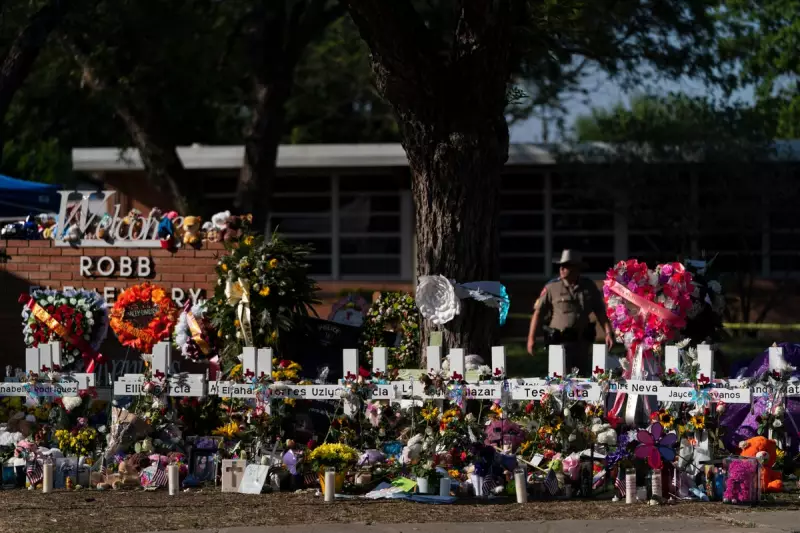
If convicted, the charges against Gonzales carry a maximum sentence of two years in prison. The community of Uvalde, population 15,000, remains marked by the tragedy, with memorials including 21 crosses near the shuttered Robb Elementary and murals of the victims adorning downtown buildings.
Jesse Rizo, whose nine-year-old niece Jackie Cazares was killed, stated the family intends to have someone attend the trial daily despite the three-hour drive to Corpus Christi. "It's important that the jury see that Jackie had a big, strong family," Rizo said.