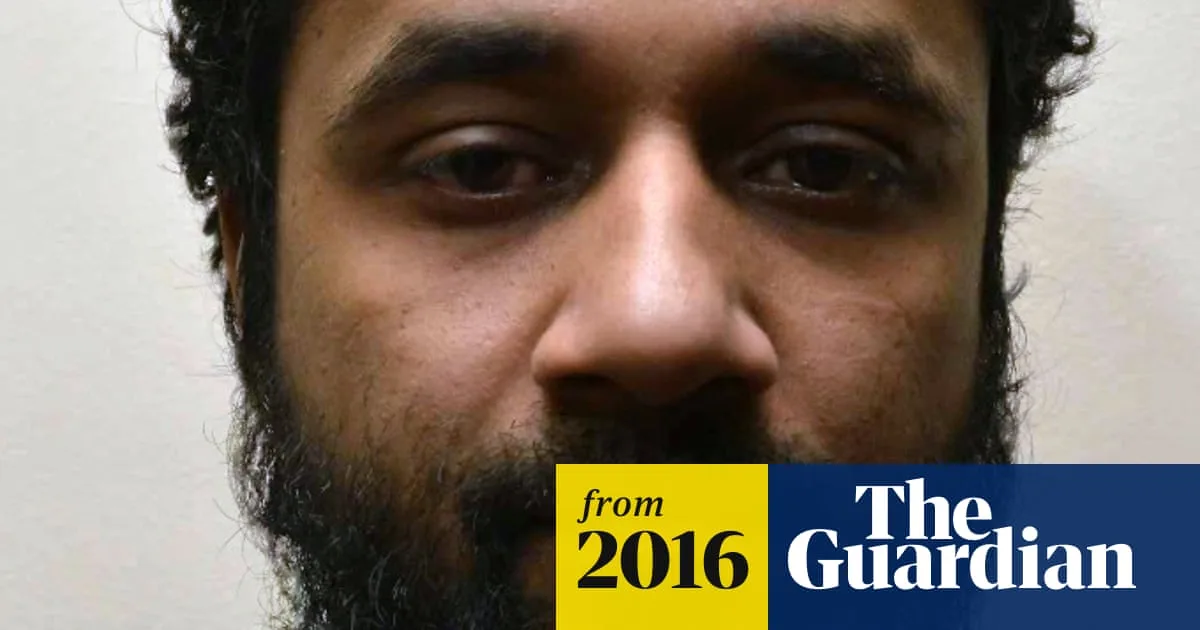
An undercover police officer who deceived a woman into an intimate relationship was later convicted and dismissed from the force for assaulting his long-term partner, the public inquiry into undercover policing has heard. Rob Hastings, who infiltrated pro-Palestinian and left-wing protest groups for three years during his covert deployment, was convicted of assaulting his now ex-partner and mother of his three children in 2014. He was sacked by the Metropolitan Police for gross misconduct as a result.
The existence of the criminal conviction was revealed at the spycops inquiry this week. Hastings was questioned about his treatment of another woman, known as Maya, whom he deceived into a year-long relationship. After the relationship ended in 2007, he vanished from her life before reappearing seven years later, convincing her to leave her then boyfriend. He then had sex with her once in 2015 and left before dawn, disappearing again. Maya testified that she visited her GP for the morning-after pill, which she found very upsetting.
Until this week, Hastings had not disclosed to Maya that he had had a vasectomy before their relationship started. He admitted he was “clearly being cruel and selfish” by not telling her. Hastings was a member of the Special Demonstration Squad, which spied on tens of thousands of mainly left-wing activists over four decades. He went undercover from 2004 to 2007 and did not disclose his real identity to Maya when they started their relationship in 2006.

Maya described Hastings’s controlling and manipulative behaviour, saying she regularly self-harmed and felt suicidal as he often falsely accused her of infidelity. She said: “I often felt like he was using me for sex which made me feel very negatively about myself and my body.” After the relationship ended, she used heroin and crack cocaine as a way of coping. Hastings continued working for the Met after his undercover deployment and joined a counter-terrorism unit.
In 2014, he pleaded guilty to assaulting his long-term partner. He said: “I was suffering mentally post my [undercover] deployment. I had been off work through ill health.” The sentence he received has not been disclosed. At that time, Hastings sought to restart the relationship with Maya but did not tell her about his criminal conviction or long-term partner. She did not discover he had been a police spy until 2019.
Hastings, who disputed many aspects of Maya’s evidence, accepted he had “behaved towards Maya exceedingly badly” and apologised to her. He denied having used Maya for his own sexual gratification. During his evidence, Hastings became angry with the inquiry’s barrister and complained that her questions amounted to “torture”. One of the core issues being examined by the inquiry is how undercover officers frequently formed intimate relationships with women while concealing their true identities.